Posted on — Leave a comment

Branded Workspace Solutions for Employee Experience and Team Identity

Branded Workspace Solutions for Employee Experience and Team Identity

Most employees spend a large part of their day sitting at their desks. They type out emails, manage projects, and run daily tasks from the exact same spot. Because so much time is spent right here, the way a desk is set up can influence how comfortable people feel during their shift. A well-organized desk can help employees feel a bit more connected to their everyday work environment.

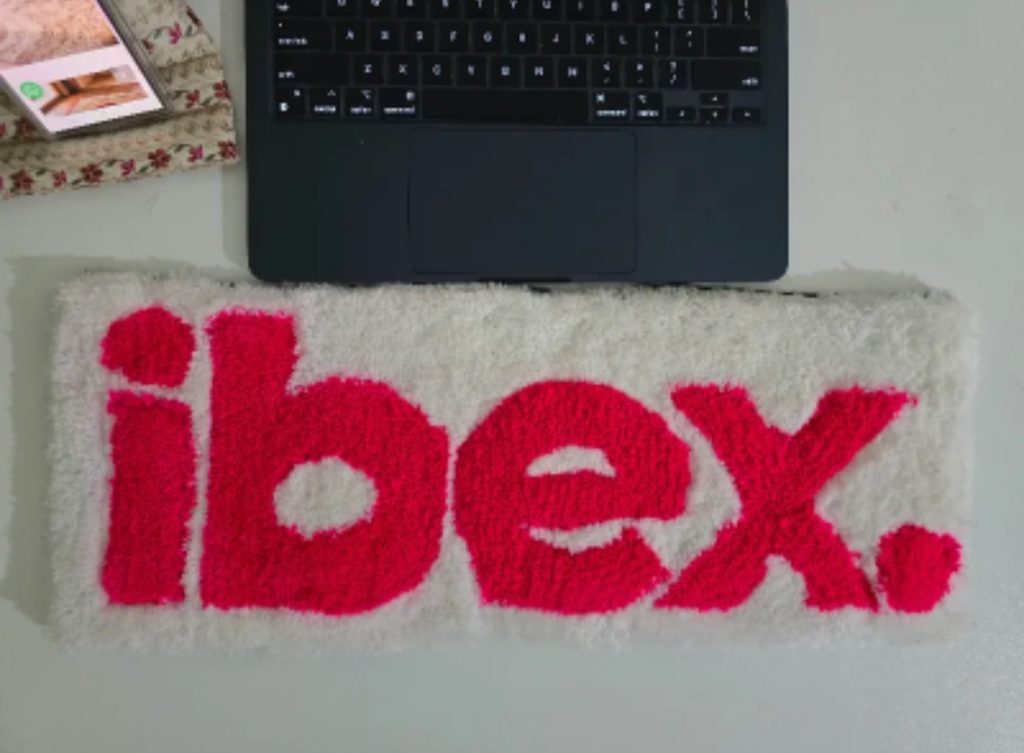
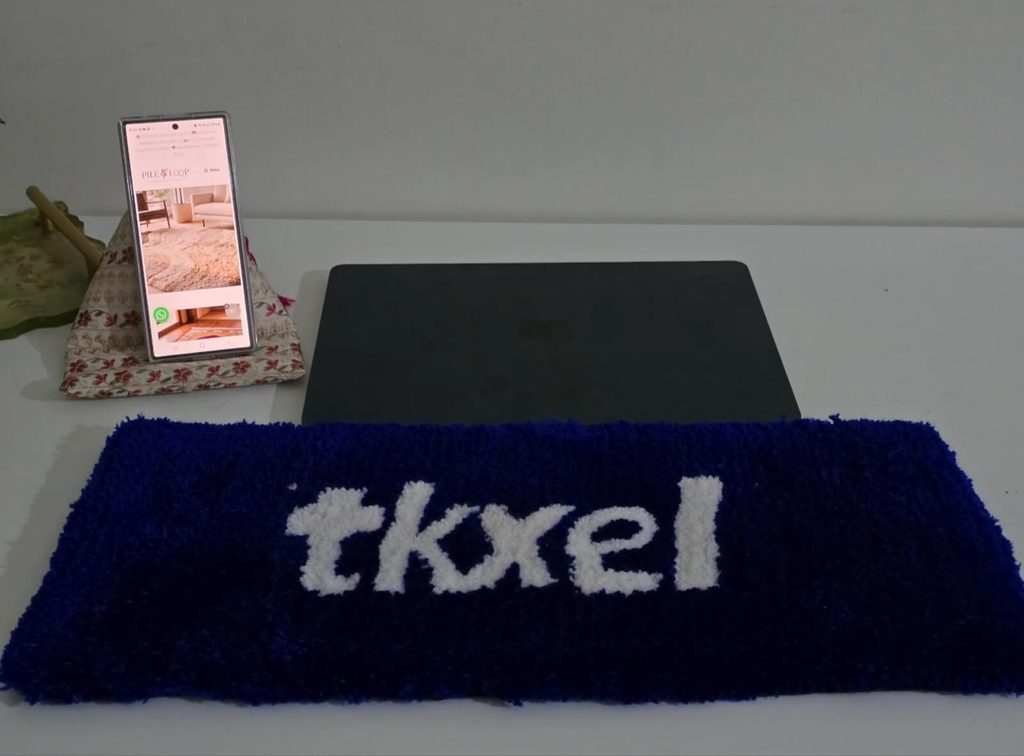
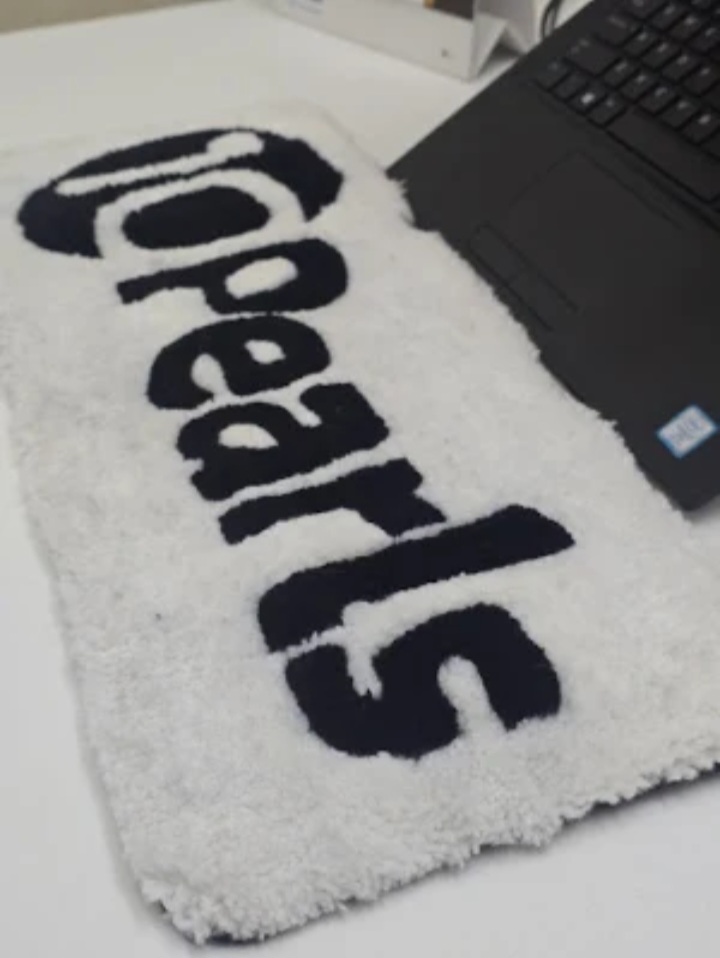
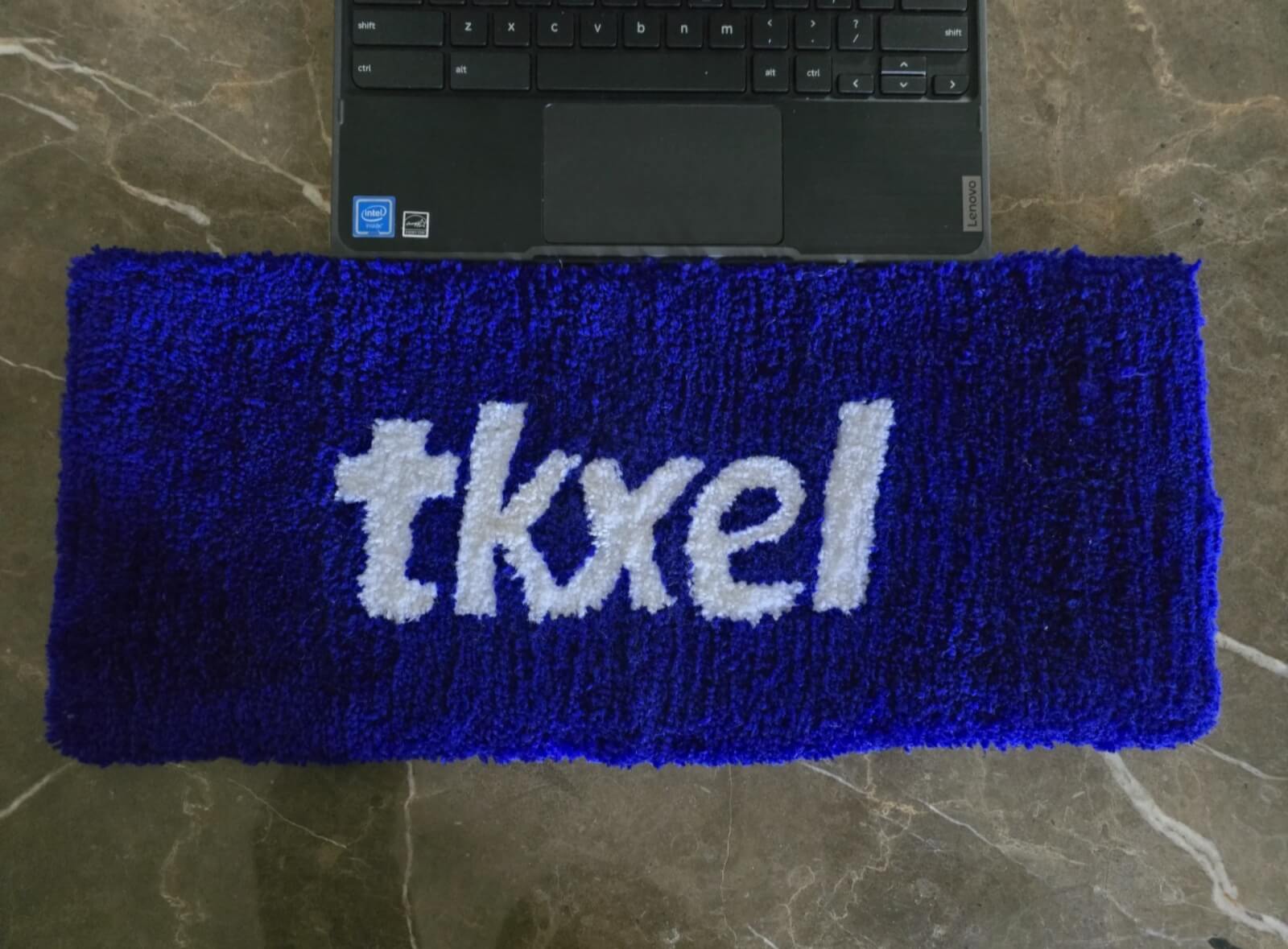
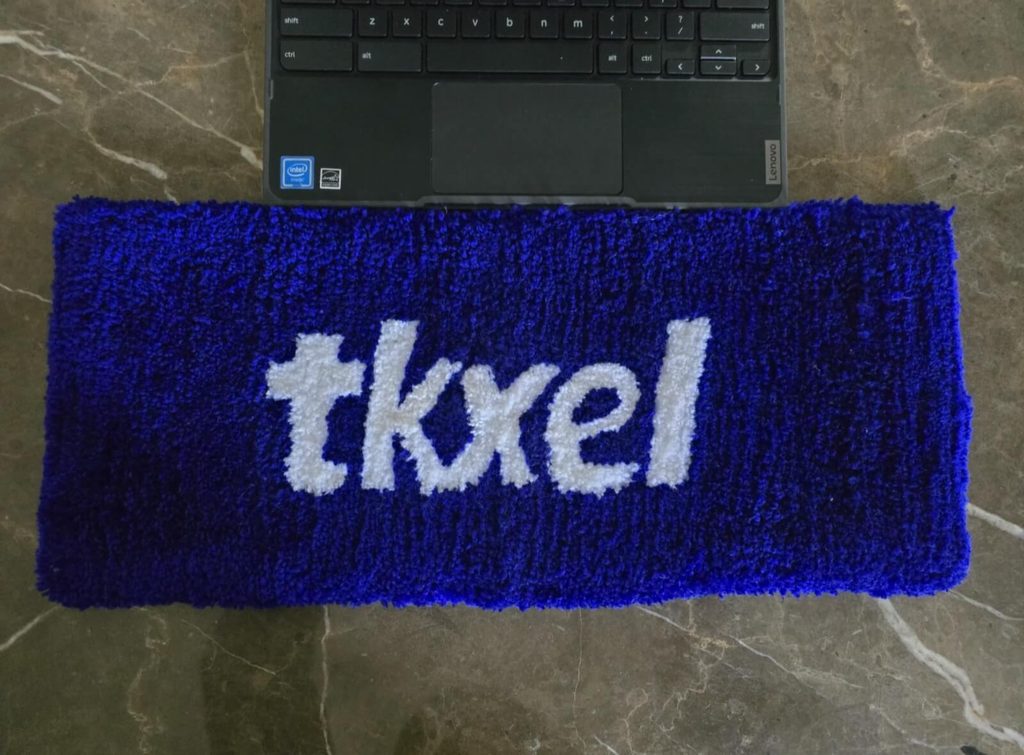
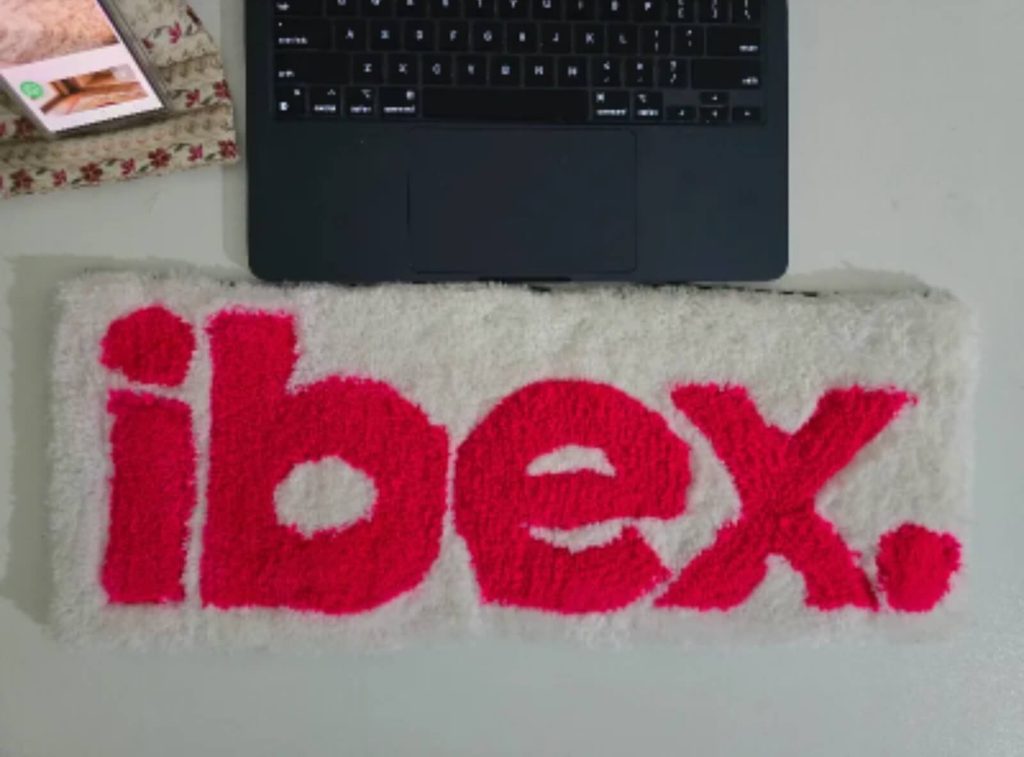
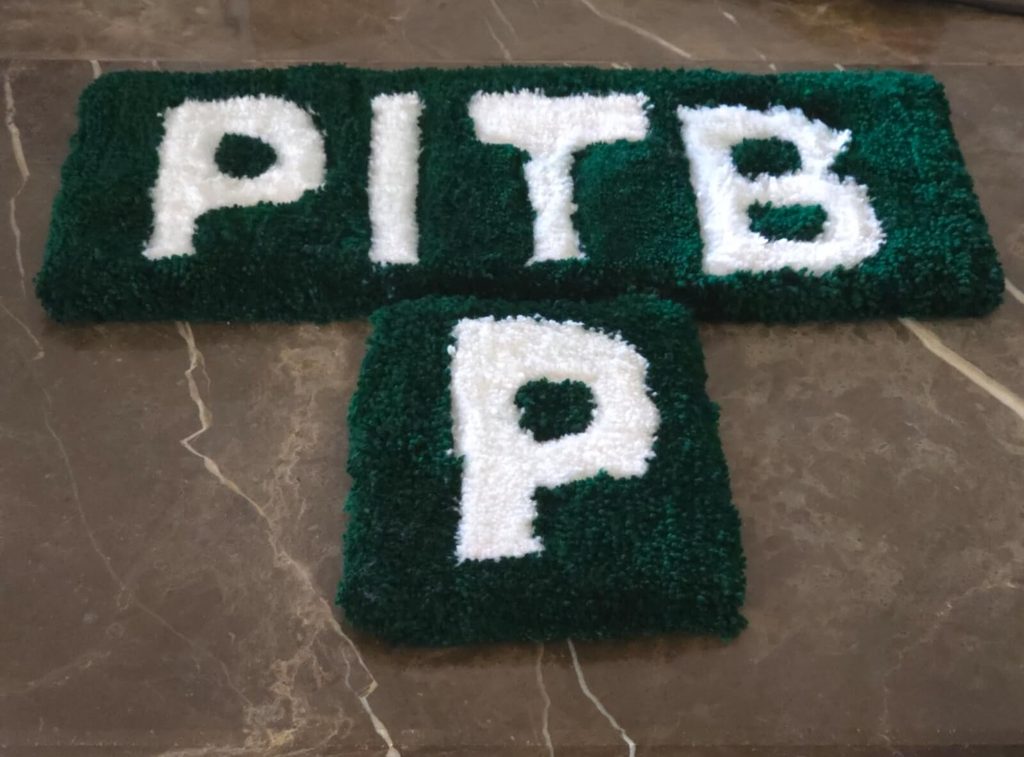
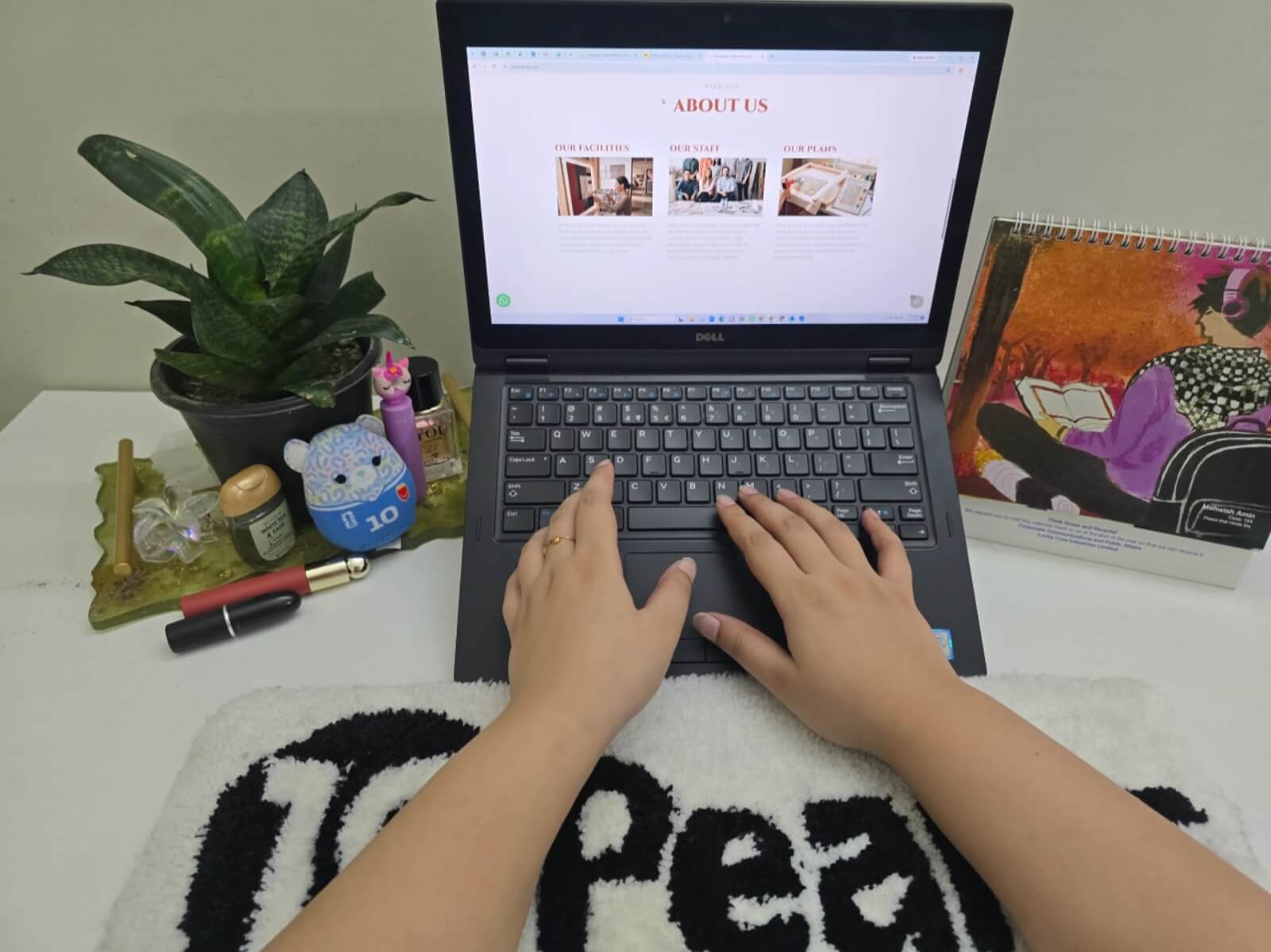
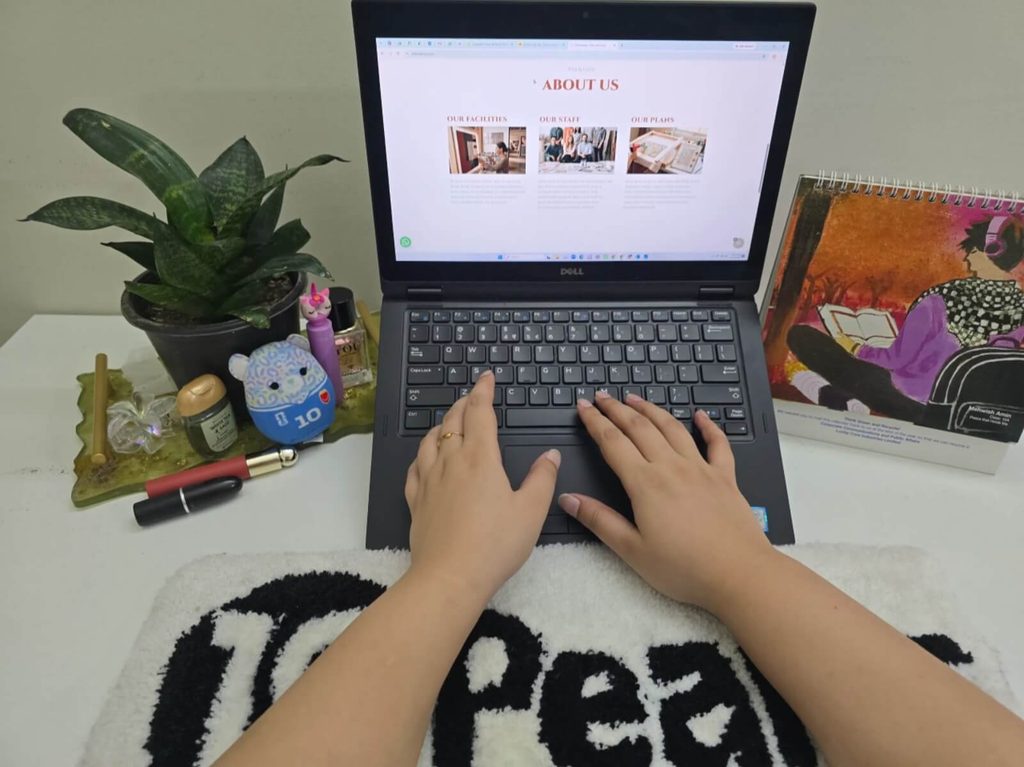
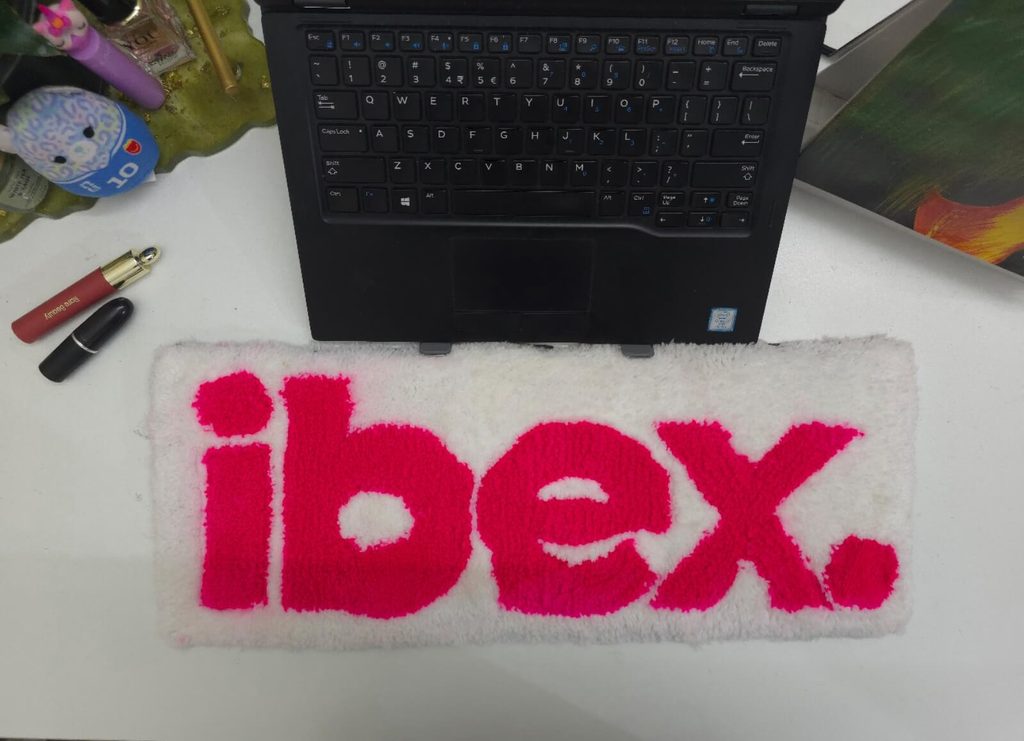
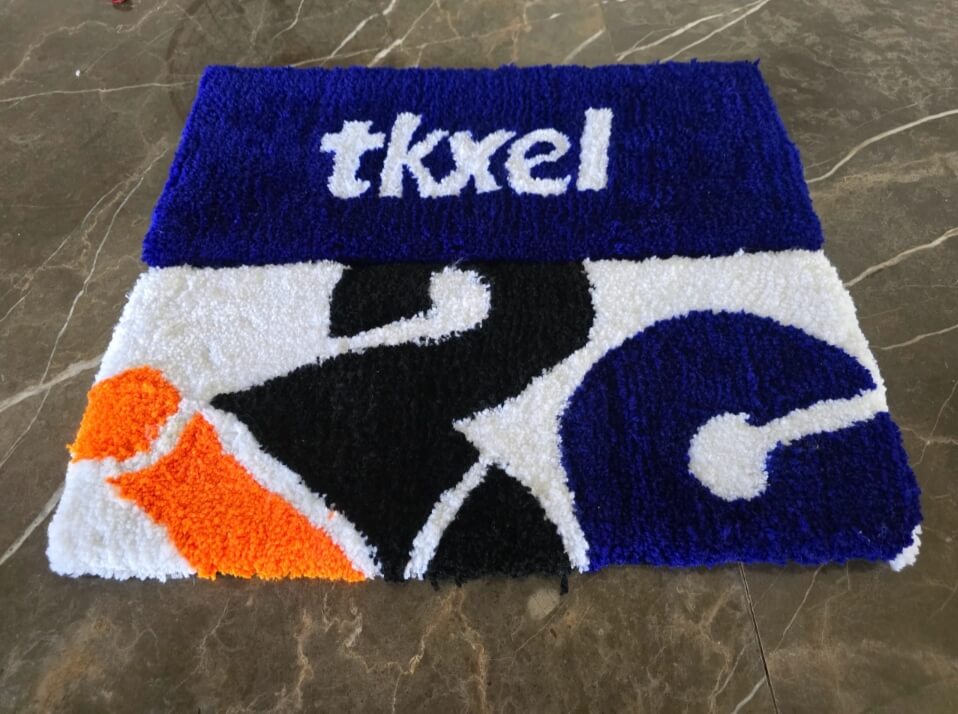
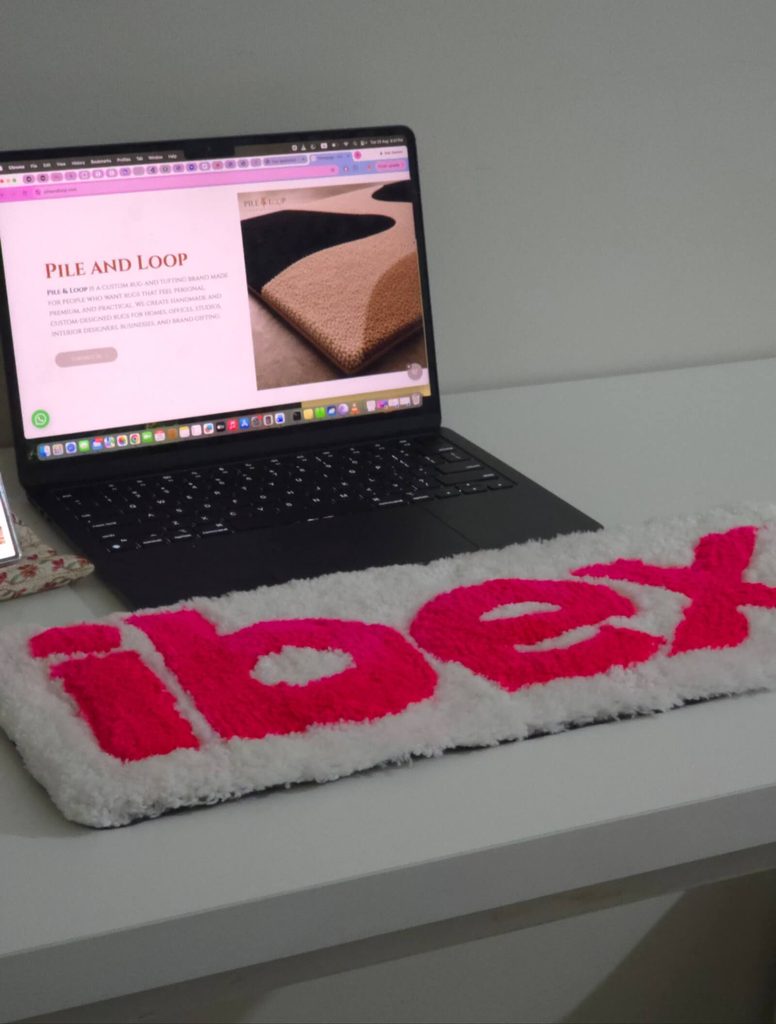
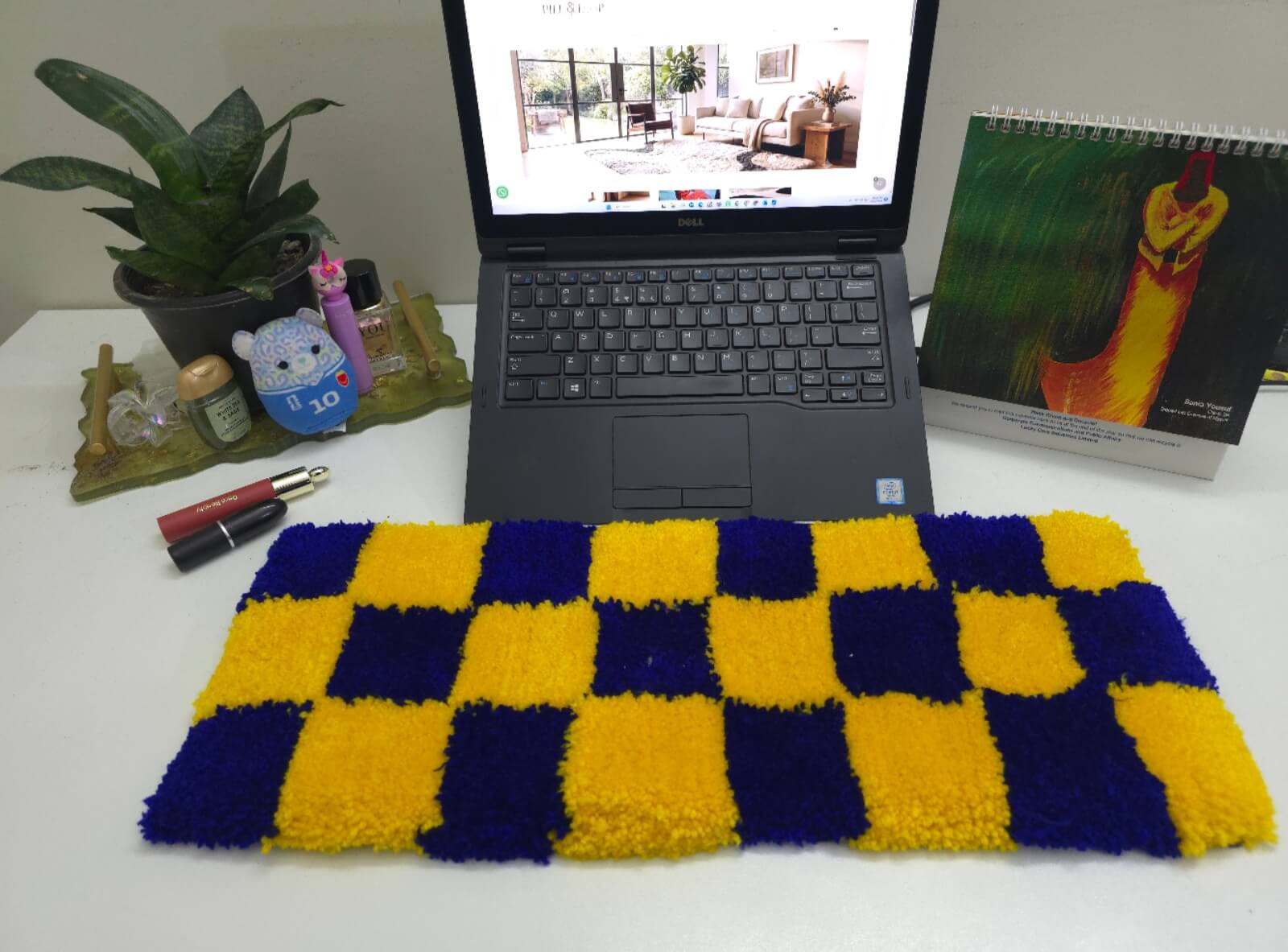
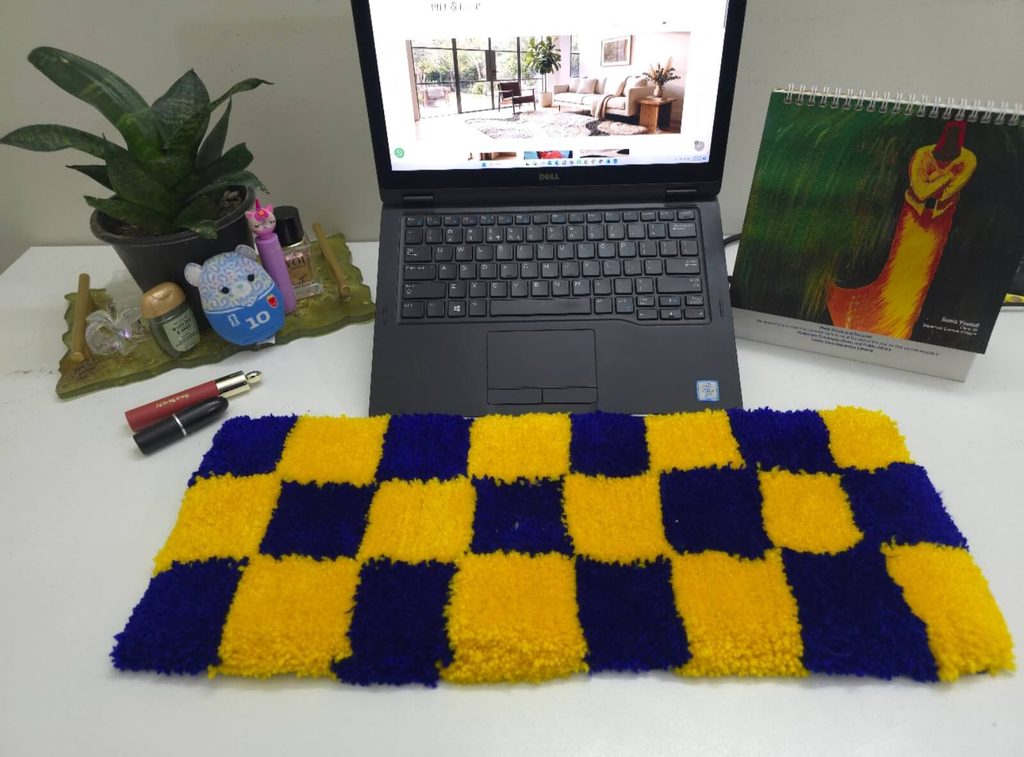
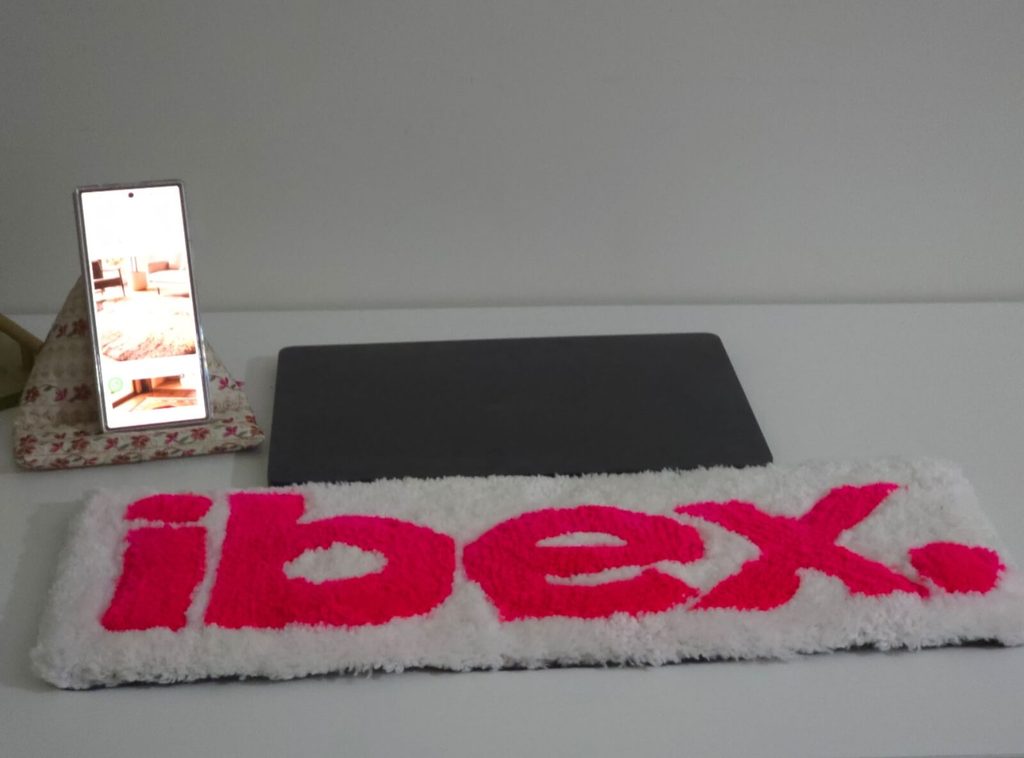
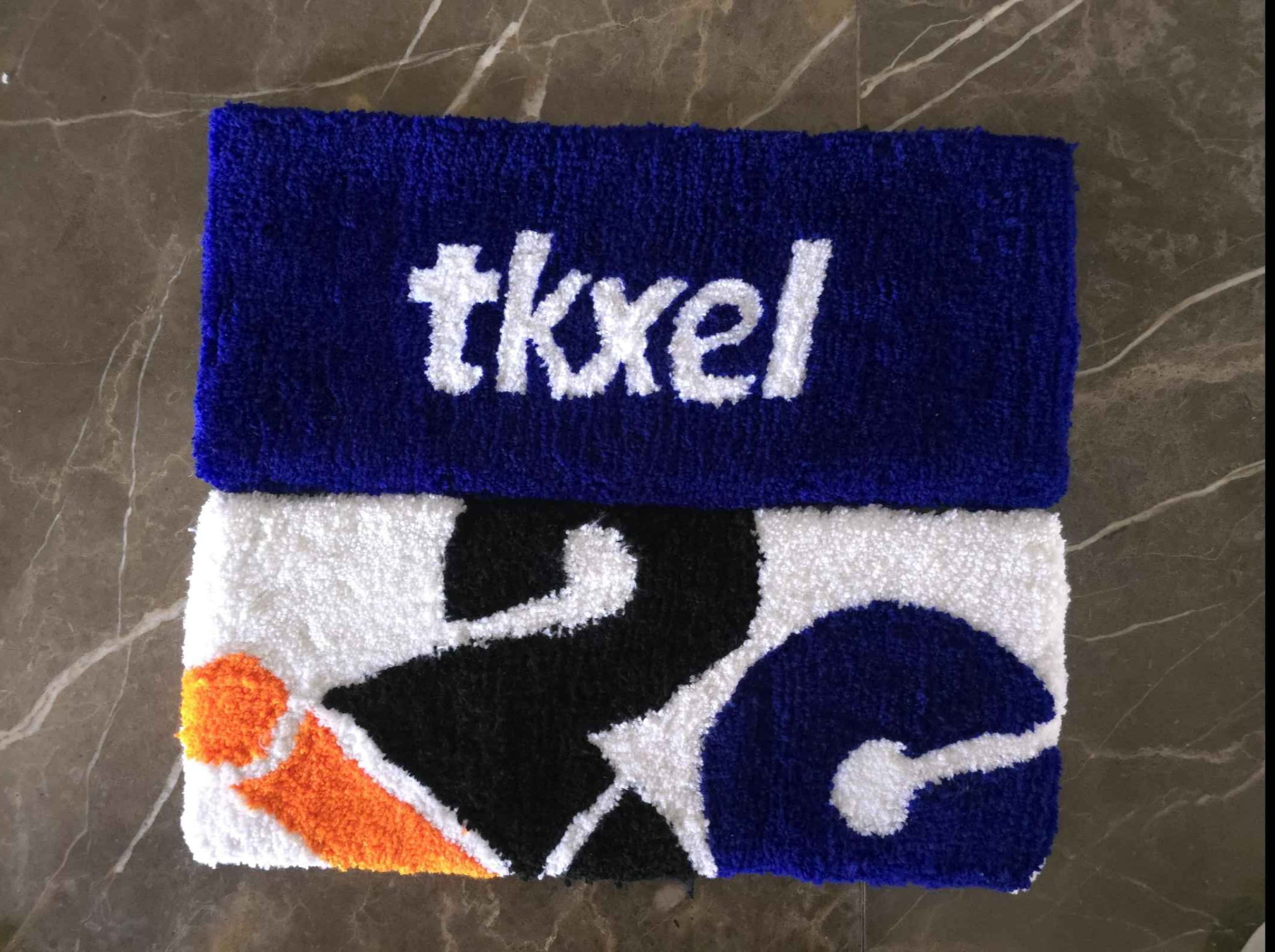
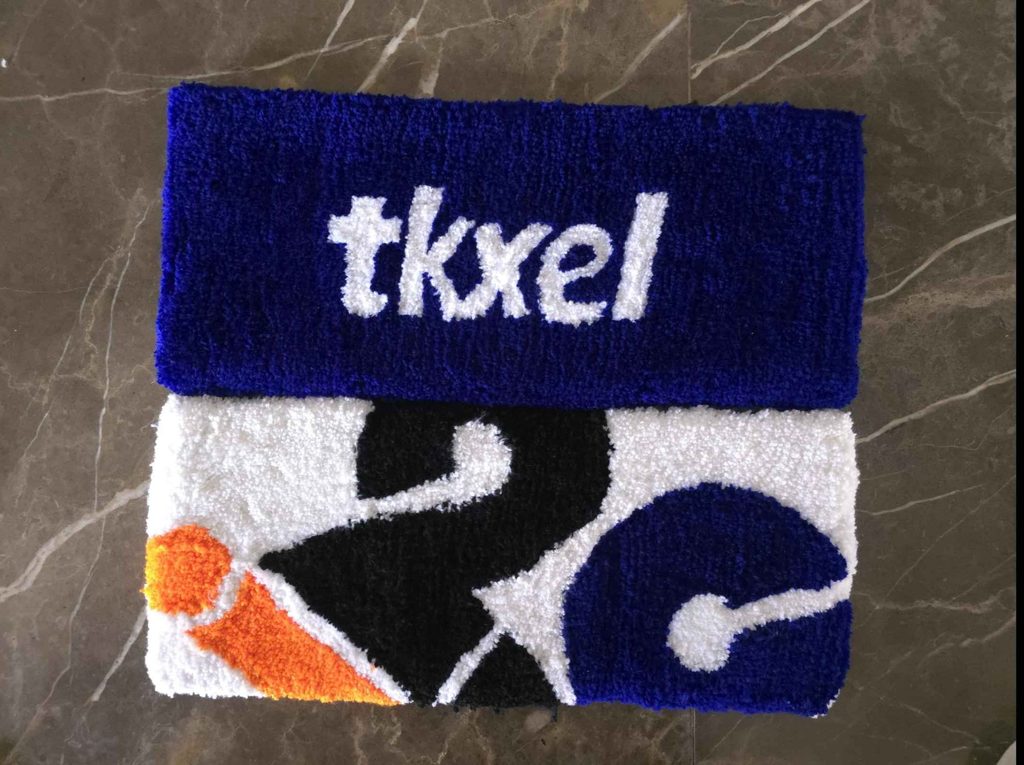
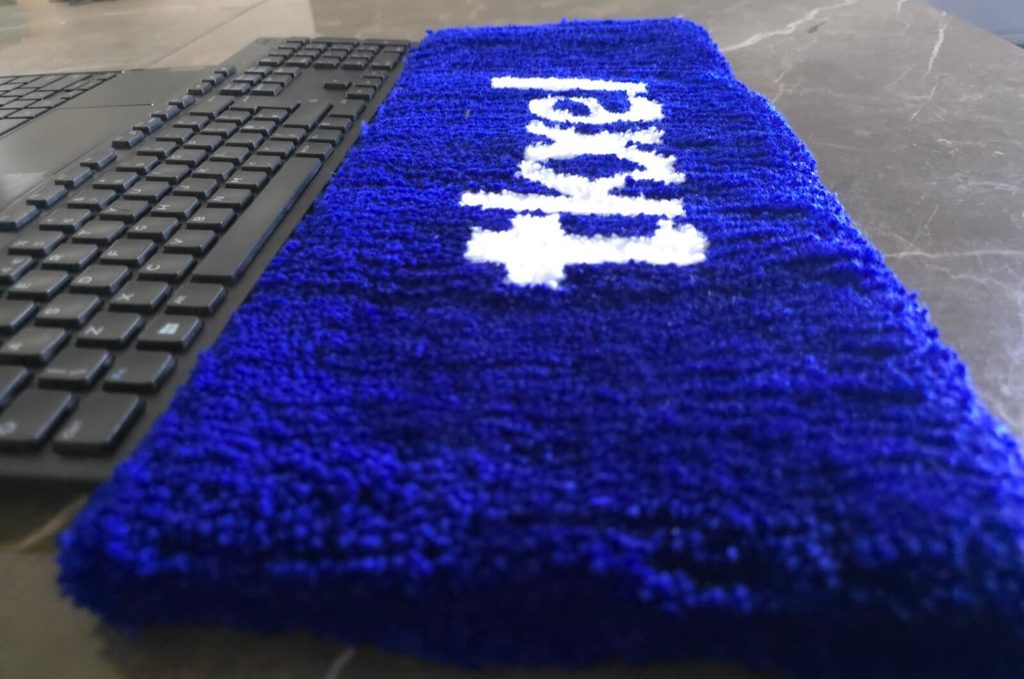
Adding company branding directly to a desk does not require a total change of the office furniture. Small, practical additions can often make a noticeable difference. Branded keyboard rugs offer a simple way to bring a company’s identity right onto individual desks. They act as soft mats that sit under key accessories, combining everyday function with visual branding.

Custom keyboard rugs work well across various work setups. Whether you are outfitting existing team members, refreshing open plan office workstations, or building out dedicated computer stations, these keyboard rugs add a neat touch. Pile&Loop offer custom rug solutions, including custom keyboard rugs made to match specific workplace styles and workspace dimensions.
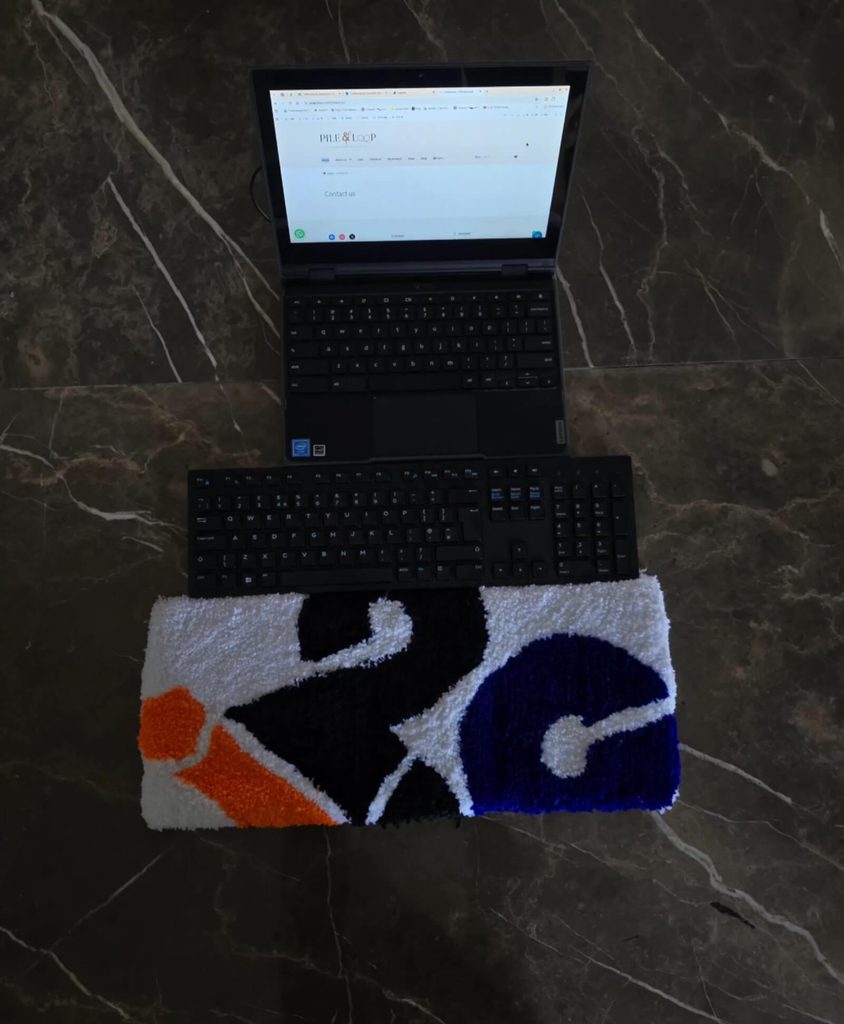
What Are Branded Keyboard Rugs?

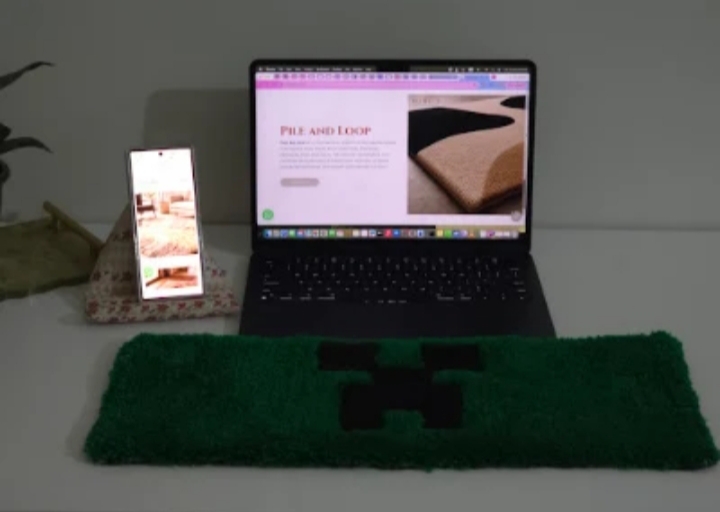
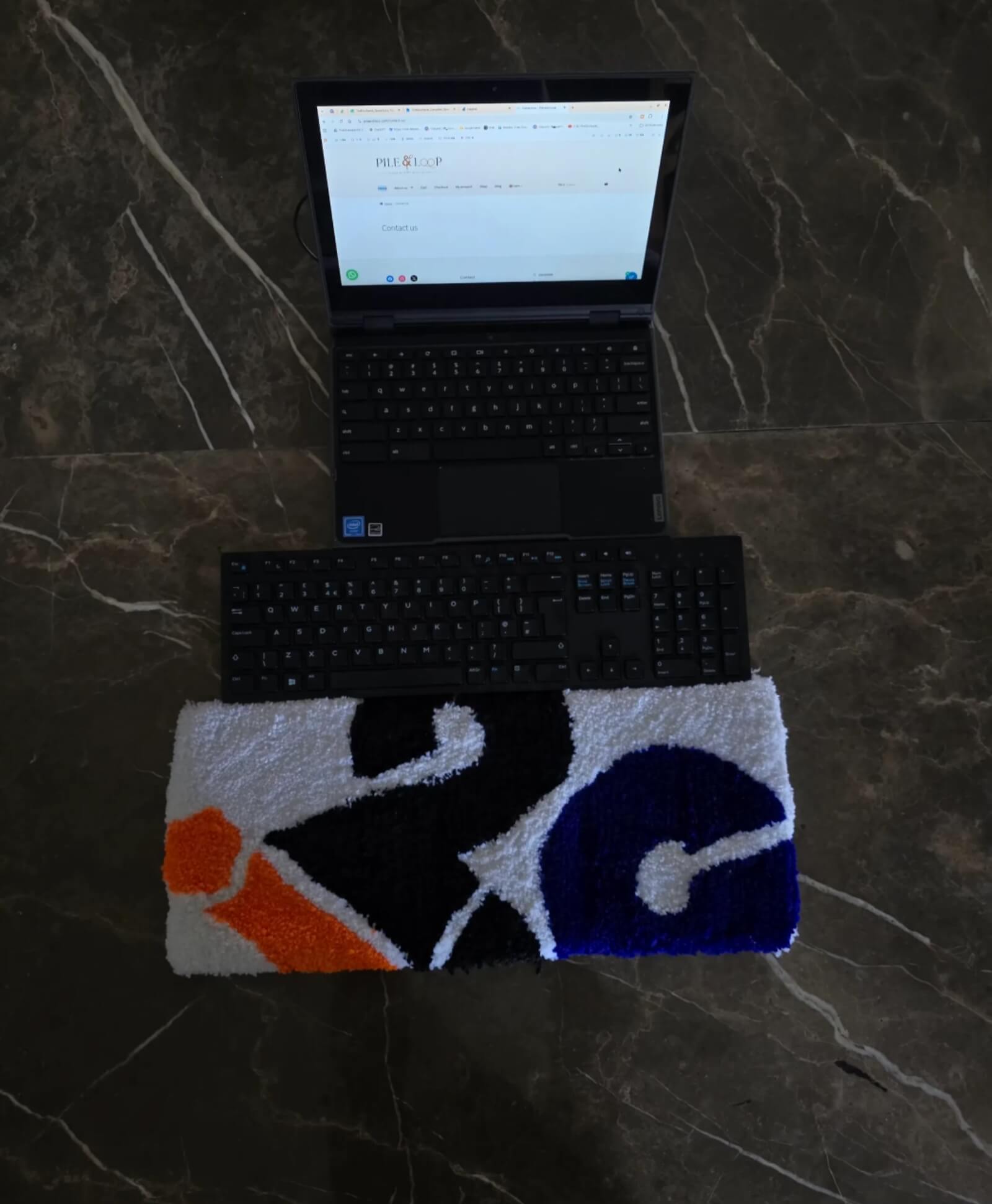
A keyboard rug is a specially designed rug that sits directly under or against an employee’s keyboard area. Similar to a standard desk pad, it outlines the central typing area of the desk, giving hardware a designated surface to rest on.

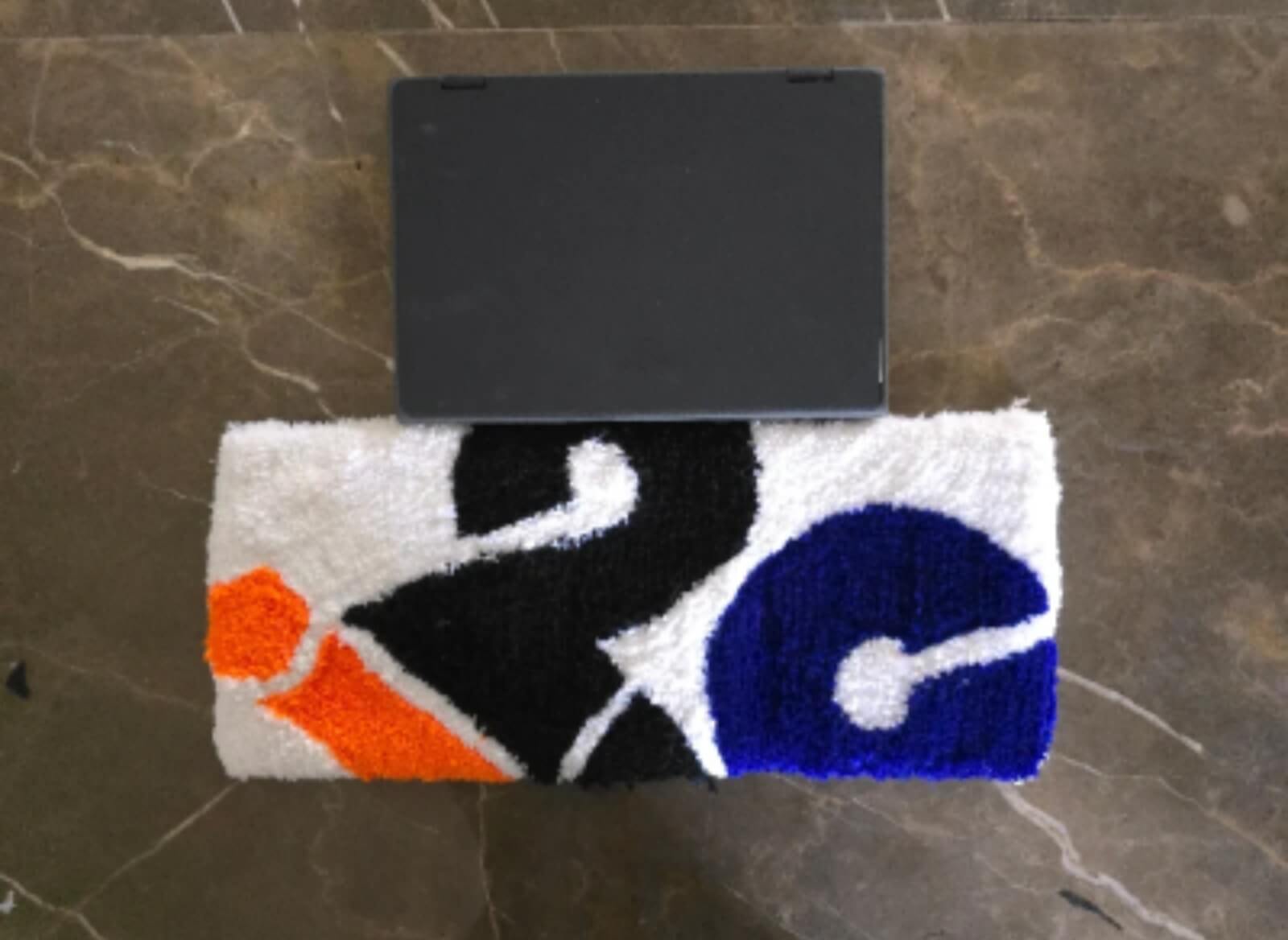
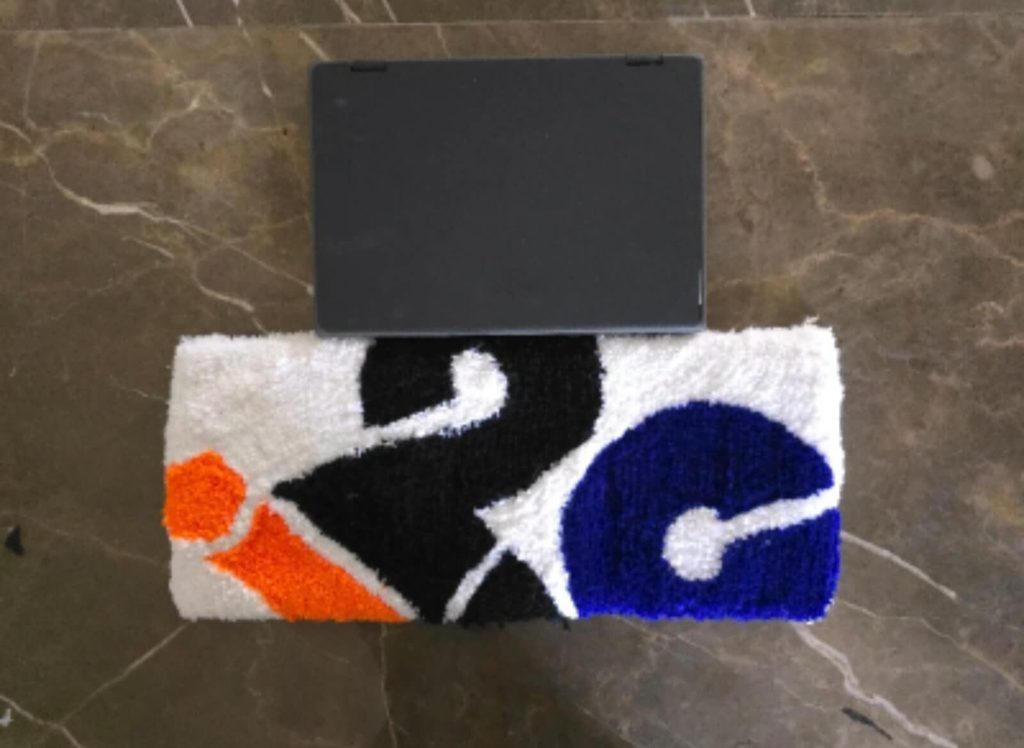
What turns a standard mat into a branded keyboard rug is the inclusion of distinct company details built into the textile design:

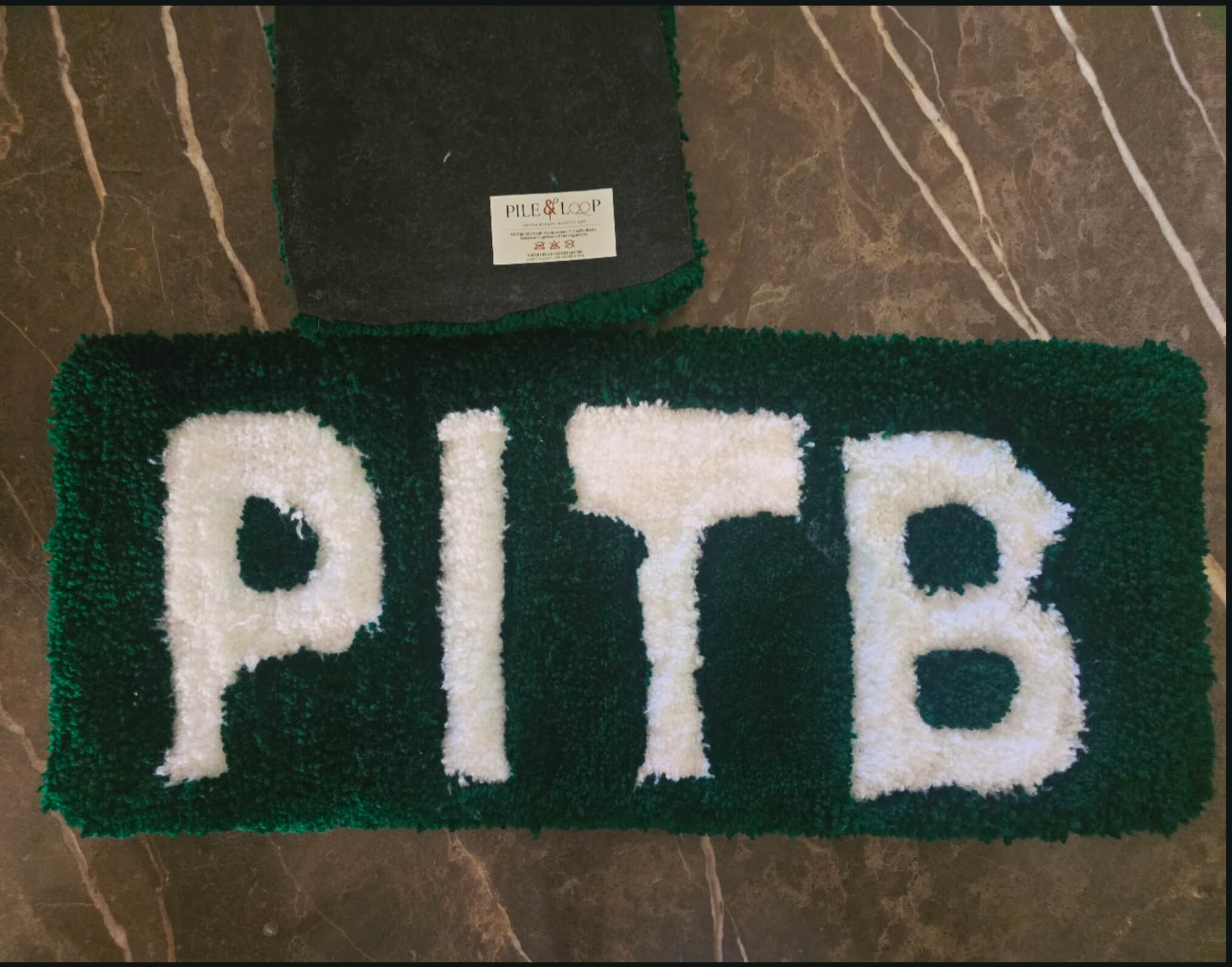
Company Logos: Displaying the main crest, wordmark, or emblem.

Brand Colours: Using accurate brand colours to match company guidelines.

Custom Shapes and Patterns: Crafting unique borders, graphic lines,.or soft background patterns

Brand Elements: Incorporating company taglines or team icons into the fabric pattern.

These design choices can be tailored to suit any specific office look. Whether a workplace favors a bold graphic design or a soft tone pattern, custom manufacturing allows the rug to fit right into the room’s existing decor.

How Keyboard Rugs Can Support the Employee Workspace

Instead of focusing on promotional giveaways or occasional gifts, it helps to view keyboard rugs as everyday tools for the desk. They offer practical visual value for people using their computers day in and day out.

Creates a More Personal Desk Setup

Working long hours at a plain desk can sometimes feel repetitive. Adding a branded keyboard rug gives the space a clear visual identity. It connects the desk to the broader company culture, helping the setup feel intentional rather than generic, all without needing major layout changes.

Helps Define the Keyboard Area

A keyboard rug sets clear visual boundaries on top of the desk. It marks where the keyboard belong, which naturally helps keep random paperwork, pens, and clutter from creeping into the typing area. This gives the entire station a cleaner, more organized look throughout the workday.

Adds a Branded Touch to Individual Workstations

Many offices put their logos on entryway walls, lobby signs, or common room glass. While that looks great for visitors, employees don’t spend their day staring at the front lobby. Bringing brand elements directly onto individual desks allows team members to interact with the company’s visual style right where they actually work.

Keyboard Rugs and Team Identity

Team identity is the shared space that grows when people work toward common goals. The physical office environment plays a role in supporting this feeling. When employees across different desks use keyboard rugs with matching visual elements, it builds clear visual consistency throughout the room. Looking across an open floor plan and seeing unified design choices creates a soft, connected look across all stations.

Companies can also adapt this idea for specific departments. For example, the software engineering team, creative department, and customer support group might each have keyboard rugs featuring slightly different colours or sub team details, all while using the same overarching corporate logo and rug material.
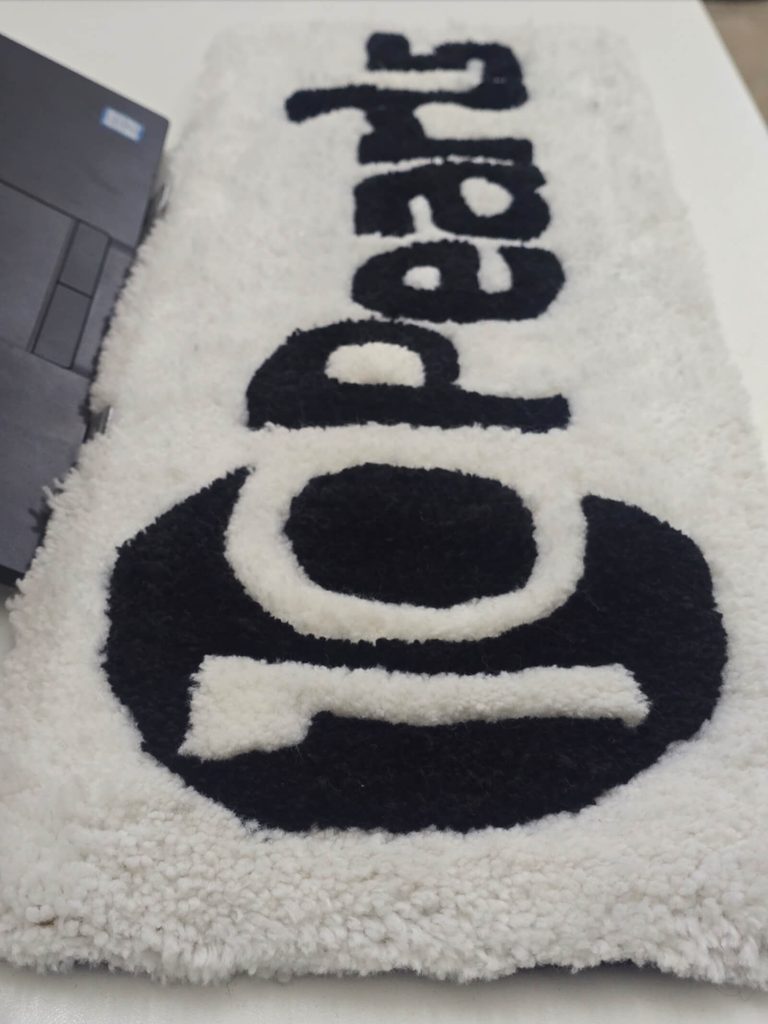
Why Branded Keyboard Rugs Can Be Useful for Existing Employees

It is common for companies to focus workspace updates on new hires. However, current employees who have worked at the company for years also benefit when their workspaces get attention. Existing employees often already have complete desks with monitors, stands, and personal items set up. A keyboard rug can be added easily without replacing the whole workstation or moving heavy equipment. It provides a small, simple way to refresh an existing desk setup without disrupting the person’s daily work routine.

Companies can consider branded keyboard rugs when they plan to update workspaces, rebrand offices, or standardize desk setups. They offer a simple physical refresh, though they should be seen as a desk accessory rather than a guaranteed fix for employee satisfaction or job performance.

Choosing the Right Keyboard Rug for a Branded Workspace

To pick a keyboard rug that works well for daily use, companies can look at a few basic details before placing an order:

Consider the Desk Size: Look at the available space on the employee desks. Make sure the keyboard rug fits comfortably around the keyboard without spilling over desk edges or pushing into monitor stands.

Choose a Design That Matches the Brand: Look at the company logo and brand colours. Keep the design simple and easy to recognize. A clean layout ensures the rug looks good alongside existing office furniture.

Think About Everyday Use: Since employees use these rugs regularly, consider the daily office routine. Choose a design style and material that fits a typical computer desk environment. Consider Different

Employee Workstations: Not every employee has the exact same desk size or layout. Companies can check whether one standard size works for everyone or whether offering two different sizes looks good for the team.

Using Keyboard Rugs to Create a Consistent Workplace Look

Using repeated keyboard rug designs across an office can make workstations look far more consistent. When visitors, clients, or managers look across an open room, seeing the same logo, matching colours, or identical design style on every desk creates a neat, organized look.

This approach works well when a company wants its physical workspaces to clearly reflect its visual brand identity. Keeping the focus on keyboard rugs lets companies build this uniform style across individual desks without buying expensive matching furniture for every room.

Custom Keyboard Rugs for Different Types of Teams

Different departments perform different tasks, but branded keyboard rugs fit easily into almost any computer based workflow.

Software and Tech Teams

Tech teams rely heavily on computer setups with keyboards. Branded keyboard rugs fit naturally into these keyboard focused workstations, providing a soft surface under or against their daily input tools.

Creative and Design Teams

Designers care about visual details. Custom keyboard rug designs can be planned around the company’s visual style so the rug becomes a complementary part of the desk’s overall look.

Remote and Hybrid Teams

When employees work from home or use different hot desks in the office, custom keyboard rugs offer a light, portable desk element. Sending a branded keyboard rug to remote workers brings a bit of company branding to their home workstations.

Office Based Teams

In traditional office spaces with rows of desks, matching keyboard rugs create clear visual consistency across the entire floor. Different departments can use the same overall branding approach to keep the whole office looking uniform.
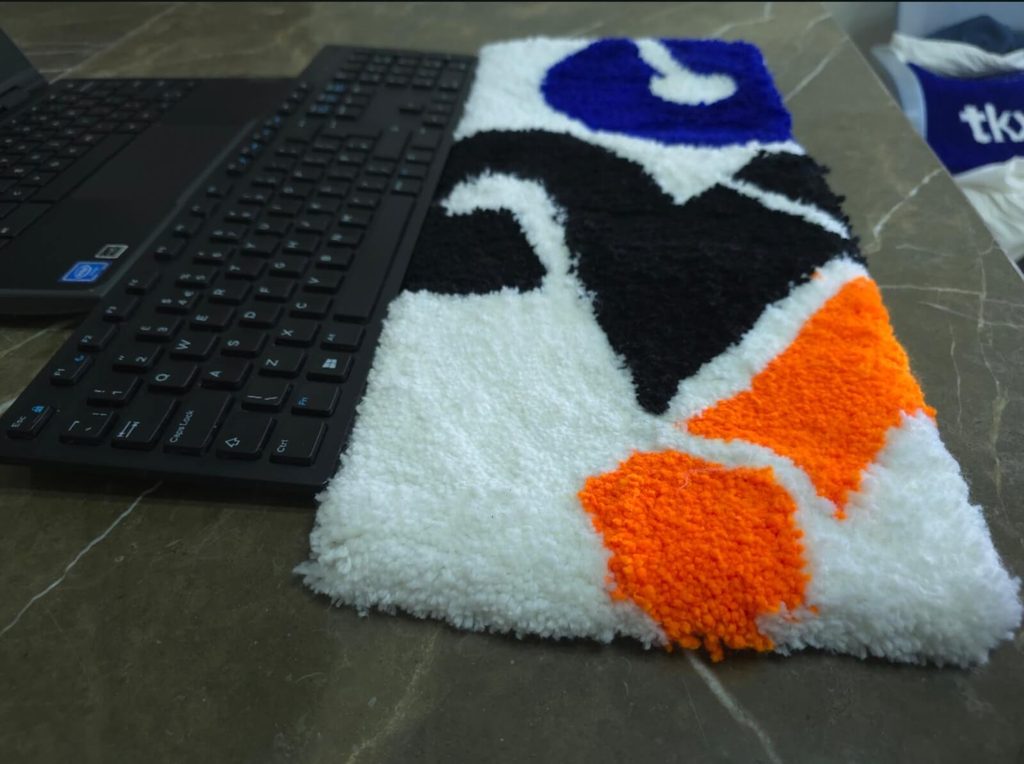
How Companies Can Plan a Keyboard Rug Order

Planning an order for custom keyboard rugs is easy when you follow a clear sequence:

  • Decide how many employees need keyboard rugs for their desks.
  • Measure a few typical desks and check keyboard sizes across the office.
  • Finalize the official company logo file and design layout.
  • Select suitable brand colours and materials based on the intended desk setup.
  • Confirm the total quantity and sizes needed for the office.
  • Review a visual design sample before placing the final order.
  • Discuss custom requirements with Pile&Loop based on the keyboard rug options they offer.

Conclusion

Employees interact with their desks every single working day. Adding branded keyboard rugs gives companies a simple, practical way to bring their visual brand identity directly to individual workstations without replacing existing desk furniture or making major floor plan changes. Selecting the right size, clear branding, and a suitable design ensures the rug fits naturally onto any desk. If you are looking to refresh current team workstations or standardize your office appearance, custom keyboard rugs are a practical option to consider.

Looking for custom keyboard rugs for your team’s workstations? Explore the custom keyboard rug options from Pile&Loop and discuss your branding, size, and design requirements with team today.

FAQs

Should all employees receive the same keyboard rug size?

Not always. The right size often depends on available desk space, the size of the keyboard and mouse setup, and how each workstation is used. Checking a few desk dimensions first helps you decide if one size works or if multiple sizes are needed.

Can keyboard rug designs be different while keeping the same company branding?

Yes. Companies can choose slightly different background designs or secondary colors for different departments while keeping core brand elements like the main logo or primary brand colours identical.

Can a branded keyboard rug fit into an already designed office?

Yes. Because keyboard rugs can be customized with neutral tones, simple shapes, or minimal logos, companies can easily pick a design that matches their current desk finishes and office decor without changing the rest of the room.

How can companies keep branded keyboard rugs consistent across multiple workstations?

To maintain a consistent look, companies should use approved high resolution logo files, stick to standard brand color codes, follow clear design guidelines, and order agreed sizes for their workstations.

Are branded keyboard rugs suitable for companies with employees working from different locations?

Yes. Companies with office, remote, or hybrid teams can consider keyboard rugs for various locations based on individual workstation needs, providing a practical way to add company branding to any desk setup.


Posted on — Leave a comment

How Interior Designers Can Use Custom Rugs for Commercial Spaces

Commercial spaces need to look well planned while also working for everyday use. When you walk into an office, a hotel, or a cafe, the floor takes up a lot of visual space. Floor coverings play a big role in how a room feels and how people move through it. Rugs can help interior designers bring different parts of a space together, making large rooms feel more grounded and welcoming.

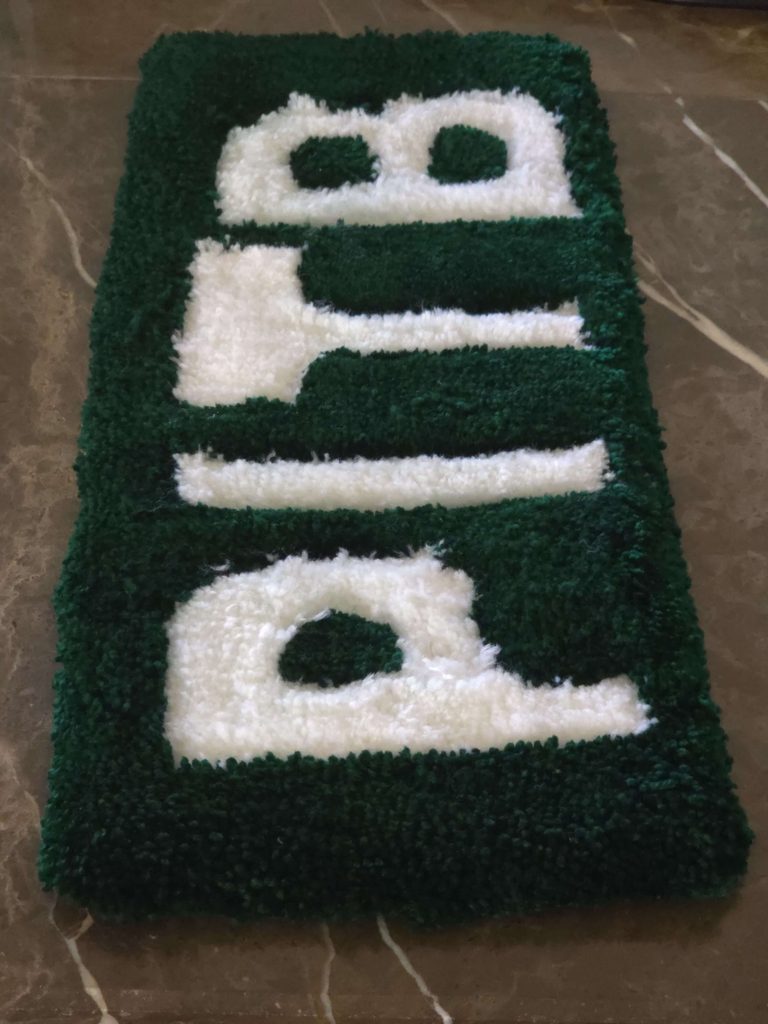
A custom rug can be planned around the exact size, colours, shape, and overall style of a commercial space. Instead of trying to adapt a room to fit a store bought rug, designers can create a piece that fits the exact needs of offices, reception areas, cafes, retail spaces, hotels, and other commercial settings.

When looking for tailored floor solutions, Pile&Loop is a custom rug brand that works directly with custom sizes, shapes, colours, designs, and artwork based requirements. By focusing on flexible options, they help designers turn floor space into a functional and visual asset for any commercial project.

Why Custom Rugs Can Be Useful in Commercial Interior Design

Standard store bought rugs often come in fixed shapes and sizes that might not fit every commercial layout. A custom rug can be planned according to the space instead of choosing a standard size that feels too small or too large. A custom rug can help connect furniture, flooring, wall colours, and other parts of an interior. It acts as an anchor, bringing individual pieces of furniture together so they look like a single, intentional setup rather than disorganized items.

Designers can use rugs to add colour or pattern without changing the whole space. Painting walls or replacing hard flooring can be expensive and time consuming. Adding a well designed rug allows you to update the room’s character without major renovations. A rug can also help define a particular area within a larger room. Whether you want to highlight a quiet reading nook in a hotel lobby or set boundaries for a collaborative zone in an office, a rug marks the spot visually.

When choosing a rug, the final decision should depend on the purpose of the space, the layout, and the expected use. Thinking through how people walk, sit, and work in the area will help guide the right choice.

Use Custom Rugs to Define Different Areas

Open plan layouts are very popular in modern buildings, but they can sometimes feel vast and unorganized. Designers can use rugs to visually separate areas without adding physical walls, keeping the space open and bright while still adding structure.

Reception Areas: Placing a rug around the reception desk or the main waiting area gives visitors a clear place to go. You can use colour and shape to make the reception area feel connected to the rest of the interior, creating a soft and welcoming first impression.

Meeting and Lounge Areas: In casual meeting spaces or lounge zones, a rug can help visually mark where the meeting zone begins and ends. Choose a size that works with the furniture arrangement, making sure the seating sits comfortably on or around the rug edge.

Open Plan Offices: Rugs can help separate different sections of an open workspace, such as a team breakout area, a coffee spot, or a quiet focus space. Consider how the rug works with desks, chairs, walkways, and other furniture to ensure it does not create an obstacle on the floor or block chair wheels.

Match the Rug With the Interior Design

To make a custom rug look like it belongs in the room, start with the existing colour palette of the space. Take a close look at the furniture finishes, wall colours, flooring, lighting, and other major design elements.

Choose a rug design that supports the overall look rather than competing with it. If the room already features bold wall art, patterned wallpaper, or colorful furniture, a simpler rug design with neutral tones or subtle textures might work best. On the other hand, more noticeable patterns or bolder colours can work better when the rest of the interior is simple and quiet. In a minimalist office with grey walls and plain desks, a colorful or geometric rug can add just the right amount of personality to keep the room from feeling cold.

Choose the Right Size and Shape

Getting the scale right is key when designing a rug for a commercial space. Always measure the area carefully before deciding on the rug dimensions. Think about where furniture will sit in relation to the rug. In a lounge or waiting area, it usually looks best if at least the front legs of the sofas and chairs rest on the rug. A rug that is too small may look lost in the room and fail to define the intended area clearly. A larger rug often works better for open seating or reception areas, as it holds the space together comfortably.

Don’t feel limited to standard rectangles. Custom shapes such as circles, ovals, runners, or asymmetrical designs can be considered when a standard rectangular rug does not suit the room’s layout or architectural features.

Use Custom Rugs for Brand Identity

Interior designers working on branded commercial spaces can use colours and designs that relate to the company’s identity. Floor space offers a unique quiet way to highlight who the company is.

Logo Rugs: Logo rugs can be considered for reception areas, main entrances, offices, retail spaces, and other suitable locations. Placing a clean logo on the floor right where people walk in leaves a lasting impression.

Subtle Branding: A logo or brand inspired design does not have to take over the whole space. You do not need a huge logo covering the entire rug.

Balanced Colours: Consider using brand colours in a balanced way so the rug fits naturally with the rest of the interior. You can use a company’s secondary brand colour as a border accent or background shade to keep the space looking professional rather than overly promotional.

Custom Rugs for Different Commercial Spaces

Different commercial environments have different functional and aesthetic goals. Here is how custom rugs can work across various sectors:

Offices:

Reception areas: Welcoming spots for guests that set the tone for the company.

Meeting rooms: Sound softening foundations under conference tables.

Executive offices: Warm elements that add comfort and personality.

Lounge areas: Soft seating zones for casual breaks.

Shared workspaces: Visual markers to divide different team areas.

Retail Stores and Showrooms:

Entrance areas: Clean spaces that invite shoppers inside.

Product display zones: Highlighted spots that draw attention to key products.

Customer waiting areas: Comfortable spaces near fitting rooms or service counters.

Brand focused sections: Special areas styled to match specific product lines.

Cafes and Restaurants:

Seating areas: Cozy additions under dining tables to make spaces feel inviting.

Reception or waiting spaces: Comfortable spots for guests waiting for a table.

Brand focused areas: Fun focal points that guests might feature in photos.

Hotels and Hospitality Spaces:

Lobby areas: Grand groundings for high ceilinged entrance halls.

Lounge spaces: Intimate setups for guests to relax or drink.

Guest facing areas: Hallways and seating corners that feel warm.

The exact rug requirements will vary depending on the space, layout, traffic level, and overall design brief.

Consider Material, Pile, and Everyday Use

A commercial rug needs to be functional as well as attractive. The chosen rug should suit how the space will be used on a daily basis. Consider the amount of foot traffic in the area. High traffic spots like main walkways, hotel lobbies, and store entrances need durable materials and construction that can handle constant walking and shoes. Low traffic spots like private offices or formal meeting rooms can focus more on softness and plush feel.

Think about cleaning and regular maintenance before choosing the rug. Lower pile heights (flat weave or short loop styles) are generally easier to vacuum and keep clean in commercial settings. Pile height and surface feel also affect how the rug works with furniture and movement. Office chairs with wheels do not roll easily on thick, plush rugs, so short, tight piles work much better in desk areas. Interior designers should discuss these practical requirements with the client before finalizing the design.

Give the Rug a Clear Role in the Overall Design

Instead of using a rug simply to fill an empty floor area, designers can decide early on what role it should play in the project. Giving the rug a purpose helps guide decisions on colour, size, and material.

Possible roles include:

Defining a seating area: Marking clear boundaries for chairs and tables.

Supporting a brand identity: Using company colours to reflect the brand culture.

Adding colour to a simple interior: Bringing life and warmth to plain rooms.

Creating a visual focal point: Drawing the eye to a specific feature like a reception desk.

Connecting furniture and flooring: Smoothing the visual transition between hard floors and seating.

Adding a personalized element: Making a commercial space feel less generic and more unique.

Working With a Custom Rug Brand

To get the best result when working with a custom rug brand, clear communication is essential:

Share requirements clearly: Provide the desired size, shape, colour, artwork, logo, or design references early in the process.

Explain the environment: Let the brand know where the rug will be used and what type of space it is for (e.g., a quiet office vs. a busy café entrance).

Discuss expected use: Talk through foot traffic, furniture placement, and maintenance needs before confirming the design.

Review the proof carefully: Check scale, artwork placement, and colours carefully so the final rug fits seamlessly into the overall interior plan.

Conclusion

Custom rugs give interior designers a practical way to bring together colour, layout, furniture, and brand identity in commercial spaces. By planning a rug around the specific needs of a room, you create a space that feels intentional, cohesive, and easy to use. The right choice always depends on the room’s layout, daily foot traffic, size measurements, overall design direction, and long term maintenance needs. For designers working on offices, retail spaces, cafés, hospitality settings, or other commercial projects, custom rugs offer a tailored solution rather than relying on standard off-the-shelf products.

Planning a commercial interior project? Every request is reviewed before the production. Talk to Pile&Loop about a custom rug based on your space, design, colours, artwork, logo, size, or shape requirements. Share your project details today to discuss a custom rug option that fits your interior vision.

FAQs

Can interior designers use custom rugs in open plan offices?

Yes. A custom rug can be used to visually define areas such as lounge seating spaces, casual meeting zones, or collaborative sections within an open plan office without building solid walls.

How should designers decide where to place a custom rug?

Start by looking at the room layout, furniture placement, main walking paths, and the overall purpose of the space. Placing rugs under key seating clusters or reception desks usually creates the best flow.

Are custom rugs suitable for every area of a commercial space?

Not always. The suitability of a rug depends on factors such as foot traffic levels, risk of heavy spills, furniture movement, cleaning routines, and how the area is used every day.

How can a custom rug support a commercial brand without using a large logo?

A designer can use a company’s brand colours, shapes, subtle patterns, or border accents instead of putting a large logo in the center. This helps the rug reinforce the brand identity while fitting naturally into the decor.

Posted on — Leave a comment

How Much Does a Custom Rug Cost? Factors That Affect Custom Rug Pricing

When you start shopping for a custom rug, you will quickly notice that prices vary from one project to another. Unlike ready-made rugs that sit on a retail shelf with a fixed price tag, custom rugs are made to order according to your preferences. Because every buyer has different needs, there is no single standard cost.

The final price depends on a mix of key choices you make along the way. These include the rug’s size, the material you pick, the design detail, the way it is constructed, its shape, and extra features like pile height. Understanding these factors will help you plan your budget realistically and make practical decisions before placing an order.

What Determines the Cost of a Custom Rug?

The cost of a custom rug is built from the ground up based on the resources and labor needed to make it. Here are the important elements that shape your estimate.

Rug Size

Size plays a major role in pricing because larger rugs require more materials and longer production time. A small entryway rug uses far less yarn and backing than a large rug designed for a main living area or corporate lobby. Measuring your space carefully before requesting a quote prevents you from paying for extra square footage you do not need.

Material Used for the Rug

The fiber you choose directly influences the price, feel, and long-term durability of the rug:

Wool: A classic natural choice known for its soft feel, resilience, and resistance to dirt. It tends to sit at a higher price point due to its quality.

Cotton: A practical option that works well for light-use spaces, offering a casual look at a moderate cost.

Synthetic materials: Fibers like polyester or nylon are often budget friendly, stain resistant, and suitable for high traffic areas.

Selecting the right material comes down to matching your budget with where the rug will live and how much foot traffic it will receive.

Rug Construction and Making Method

How a rug is constructed changes the amount of hands on labor involved. Methods like hand tufting or weaving require different skill levels, tools, and production times. Techniques that involve detailed manual work take longer to complete, which increases the overall cost compared to simpler production processes.

Design Complexity

A simple design with bold shapes is faster to produce than a piece with complex artwork. Factors that add to the labor include:

  • Using a high number of yarn colours.
  • Incorporating fine details or small text.
  • Intricate geometric patterns or illustrative characters.

Detailed visuals require extra planning, precision colour matching, and careful yarn placement during manufacturing.

Shape and Custom Dimensions

While standard rectangular rugs are the easiest to produce, custom shapes require unique cutting and edge finishing techniques. Circular rugs, runner formats for unusual hallways, or irregular cutouts designed to fit around furniture or architectural features require extra preparation work.

How Custom Designs Can Affect Rug Pricing

Personalization brings a space to life, but specialized graphics add extra steps to the preparation stage.

Logos and Branding

If you are ordering a rug for an office, display, or commercial space, putting a logo on the rug involves setting up artwork files and mapping colours accurately. Larger or multi coloured logos require more colour setup than a simple, single colour mark.

Personalized Artwork and Images

Turning custom illustrations, drawings, or images into a rug pattern requires converting the art into a workable grid for yarn placement. The clearer and simpler your visual artwork is, the easier it is to translate onto a rug surface.

Custom Colour Choices

If your design requires specific colour matches to fit your interior decor or corporate brand guidelines, sourcing and dyeing those specific yarn shades can affect total production effort compared to using standard, off the shelf yarn colours.

Does Rug Thickness or Pile Height Affect the Price?

Pile height refers to the length of the yarn fibers extending from the rug’s backing. A low pile rug has short fibers, while a high pile rug is thicker and plush. Thicker rugs use more raw material per square foot and can require more effort to trim and finish evenly. High traffic areas like busy hallways or office entryways usually perform better with a low to medium pile because it is easier to clean and sweep. Thicker piles suit quiet areas like bedrooms or private lounge spaces where extra comfort is the main goal.

Other Costs Buyers May Need to Consider

Apart from the rug itself, keep these practical project expenses in mind:

Shipping and Delivery: Costs depend on the physical size, weight, destination, and speed of delivery. Larger, heavier rugs cost more to transport. Always ask if delivery is included in your initial quote.

Artwork or Design Preparation: If your digital artwork needs adjusting before it can be used for production, there may be a small design adjustment fee depending on the project requirements.

Minimum Order Requirements: Some manufacturers require a minimum size threshold (such as a minimum square footage) or minimum order quantity to begin production.

How to Get a More Accurate Custom Rug Price

To get a clear and prompt price estimate, gather these details before contacting a supplier:

  • Measure your room and decide on the exact rug size.
  • Choose your preferred material based on traffic and budget.
  • Have your logo, image, or design ready in a clear image file.
  • Decide if you need a standard rectangle, circle, or custom shape.
  • Consider whether you prefer a thick, soft pile or a low, flat weave.
  • Note down where the rug will be used (e.g., home, office lobby, event display).
  • Ask the supplier what is included in the quote and check for shipping chargers.

Custom Rug Cost: What Should You Ask Before Ordering?

Keep this checklist handy when talking with a rug supplier to avoid unexpected costs:

  • What services are included in the quoted price?
  • Is the cost of the chosen material fully covered?
  • Is there a charge for artwork preparation?
  • Are shipping and handling fees included, or billed separately?
  • Will changing the size slightly increase or decrease the price significantly?
  • Does adding more colours change the price tag?
  • Are there minimum size or quantity requirements for this project?
  • What is the current production timeline from approval to delivery?

How to Balance Budget and Customization

You do not need to choose every premium option to get a custom rug that looks great. To keep costs manageable:

Prioritize key features: Focus your budget on durability if the rug is for a busy entry, or on design if it is a central decor piece.

Keep sizes realistic: Avoid ordering an oversized rug if a slightly smaller dimension works just as well in the space.

Simplify the art: Reducing the number of colours or choosing clean graphic lines keeps the design clear and cost effective.

Select practical materials: Pick a material that balances everyday care requirements with your budget.

Conclusion

The final cost of a custom rug depends on a combination of size, material choice, construction method, design complexity, shape, and shipping requirements. By taking time to measure your space, clarifying your design needs, and asking direct questions about what is included in your estimate, you can order a custom piece that fits both your space and your budget.

If you are planning a custom rug project, reach out to Pile & Loop, share your project details such as your ideal dimensions, preferred material, design artwork, rug shape, and where the rug will be placed. You can discuss your project requirements directly with their team and request a pricing quote tailored specifically to your project needs.

FAQs

What is the biggest factor that affects custom rug pricing?

While rug size is usually a major factor, the material you choose and the complexity of your design play equally important roles in determining the final cost.

Does changing the rug size change the price?

Yes. Increasing the size requires more yarn, backing material, and production time, which raises the total cost. Decreasing the size usually lowers the price.

Can a detailed design make a custom rug more expensive?

Yes. Designs that feature fine details, small lettering, or high colour counts require more manual work and design preparation than simple patterns.

Is shipping always included in a custom rug quote?

Not always. Shipping depends on the rug’s weight, dimensions, and delivery location. It is best to ask whether shipping charges are included in the initial estimate.

How can I keep my custom rug project within a specific budget?

To keep costs down, choose standard shapes, limit the number of colours in your artwork, select practical materials suited to the room’s use, and measure your space accurately to avoid paying for excess size.

Posted on — Leave a comment

Branded Desk Accessories For Existing Teams: Beyond Onboarding Kits

Branded desk accessories are usually associated with onboarding kits given to new hires on day one. While welcoming a new employee with a customized desk setup is a great practice, branded desk accessories can offer real value to team members who have been with a company for years.

A branded keyboard rug is a simple, effective way to bring a company’s identity directly into an established workspace. Unlike standard desk pads, a keyboard rug sits under and around the keyboard area, adding texture and design while incorporating an approved logo, company colours, or specific patterns.

This guide explains why existing teams use branded keyboard rugs, where they fit best in a modern workspace, what factors to consider before ordering, and how custom designs can adapt to different departments.

Why Branded Desk Accessories Can Be Useful Beyond Onboarding

Desk accessories do not need to be limited to welcome packages. Existing employees spend hours at their desks every day, and refreshing their setup can be thoughtful.

There are several everyday workplace situations where introducing branded keyboard rugs looks good for established teams:

Team Milestones: Celebrating a major product launch, a completed project, or a company milestone.

Company Events: Handing out functional desk merchandise during annual retreats or internal conferences.

Employee Recognition: Offering a unique accessory to acknowledge team members for their hard work.

Rebranding or Department Updates: Updating desk spaces when a company refreshes its visual identity, colours, or logo.

Office Refreshes: Upgrading the desk setup without changing the whole setup.

Using keyboard rugs for these occasions gives existing employees a functional piece of desk gear that serves a purpose while keeping company branding visible.

What Makes a Keyboard Rug Suitable for Team Branding?

Planning a custom keyboard rug for a team requires balancing brand visibility with daily usability. A good design looks great on its own and functions well when a keyboard is placed against it.

Company Logo Placement: A logo should be placed where it remains visible during standard use. Centering a logo is a good option because the keyboard sits against it. Placing graphics along the edges, corners, or as a repeating border also works much better.

Brand Colours: Incorporating company colours gives the rug a cohesive look. However, neutral tones mixed with brand usually fit better into professional desk environments without overwhelming the workspace.

Size and Desk Space: Desks come in many shapes and sizes. The rug should comfortably hold the keyboard without crowding other daily essentials like monitor stands, note pads, or coffee mugs.

Shape and Overall Design: Rectangular layouts are standard, but subtle variations in shape can work depending on the design. The overall look should remain clean and practical.

Branded Keyboard Rugs for Existing Teams: Where Can They Be Used?

Custom keyboard rugs adapt well to several workplace settings:

Team Desks: Placing matching keyboard rugs across an entire team creates a unified look across a row of desks while allowing each person to maintain their personal workspace.

Department Workspaces: Different departments (such as engineering, design, or sales) can use rugs tailored with subtle visual cues or approved sub-branding while staying aligned with the main company identity.

Company Events: Instead of standard promotional items, keyboard rugs make practical gifts during company wide gatherings or internal anniversaries.

Employee Recognition: Adding a custom desk accessory to a recognition program offers a suitable item that stays on the employee’s desk long after the recognition event ends.

How Custom Keyboard Rugs Can Support a Consistent Desk Setup

When multiple employees work in the same open space or shared area, varied desk setups can sometimes look cluttered. Matching keyboard rugs help establish a uniform visual line across individual workstations. Consistency in logo placement, colour choices, and dimensions keeps the office layout clean. Crucially, the rug should never interfere with work: key elements like smooth keyboard stability must always come first.

Personalization Options for Existing Team Members

While maintaining brand consistency is important, adding slight personal touches can make the items feel more meaningful to individual team members.

Employee Names: Adding a small, discreet name tag design to one corner allows team members to easily identify their desk setup.

Team or Department Names: Including text like “Design Team” or “Customer Support” alongside the main company logo helps build departmental identity.

Design Variations: Using a shared colour palette with slightly different graphic patterns allows teams to keep things interesting without straying from core brand guidelines.

Choosing the Right Keyboard Rug for Your Team

Before placing an order, review this practical checklist:

Consider Desk Size: Measure the actual surface area available on standard company desks. Account for dual monitor stands, lamp bases, and other items.

Check Material and Construction: Different fabric weaves and pile styles have specific care requirements. Make sure the texture is smooth enough for comfortable everyday use.

Think About Daily Use: Consider the daily work habits of your team. High traffic areas or desks where employees frequently eat or drink may require specific maintenance considerations.

Plan the Artwork First: Gather high resolution logo files and approved brand colour codes. Always review a digital preview before approving production.

How to Plan a Branded Keyboard Rug Order for an Existing Team

Follow these straightforward steps to plan your order efficiently:

Identify the Recipients: Decide if the rugs are for a specific team, a department, or the whole company.

Determine Sizes: Measure standard desk spaces to select a practical size.

Finalize the Design: Select your preferred colors, logos, and optional text elements like names or departments.

Prepare File Assets: Get high resolution vector artwork files ready for the design review.

Review Proofs: Double check logo placement and margins before giving final production approval.

Common Mistakes to Avoid When Ordering Branded Keyboard Rugs

  • Ordering a single size without measuring standard employee desks first.
  • Placing logos where the keyboard and hands hides them completely.
  • Crowding the design with too many words, graphics, or bright colours.Ignoring how the rug interacts with wrist rests.
  • Approving low resolution artwork that looks blurry when printed or woven.
  • Creating vastly different designs for every department without an overarching brand rule.
  • Failing to check care instructions for the selected material.

Conclusion

Branded desk accessories are not just for day one welcome kits. For existing teams, a well designed custom keyboard rug brings company identity into the daily workspace in a functional way. By taking time to measure desk space, choose practical placement for logos, and plan artwork carefully, you can create a useful accessory that your team will appreciate every day.

Looking for a branded desk accessory for your existing team? Explore custom keyboard rug options with Pile&Loop. Reach out to our team to share your logo, discuss design ideas, and review size requirements to fit your specific office layout.

FAQs

Should every employee receive the same keyboard rug design?

Not necessarily. While using the same design creates a uniform look across open office layouts, companies often choose subtle variations for different teams or departments while keeping core brand elements consistent.

How should a company decide what size keyboard rug its team needs?

Measure the standard desk dimensions in your office. Take into account the size of the keyboards used (full size vs. compact), and other items sitting on the desk like monitor stands or desk lamps.

What information should a company prepare before requesting a custom keyboard rug?

It helps to have your high resolution logo files, official brand colour codes, desired rug dimensions, approximate quantity needed, and any specific text details (like employee or department names) ready.

Can different departments have different branded keyboard rug designs?

Yes. Different departments can use custom variations, such as incorporating department names or unique accent colours, provided they stay within the company’s overall branding guidelines.

Are keyboard rugs suitable for both individual and shared workspaces?

Suitability depends on the desk size and layout. For dedicated personal desks, they add a comfortable visual boundary. For shared or individual, simple neutral designs usually work best to accommodate different users throughout the week.

Research Resources

Source title:

GG Tufting

Publisher:

https://ggtufting.com/en/blogs/tufting-blog

Information used

Materials, keyboard setups, and choosing a rug based on the user’s desk arrangement and keyboard rugs for employee gifts.

Posted on — Leave a comment

How Companies Can Upgrade Existing Employees Workstations Without Replacing the Whole Desk Setup

When a company wants to freshen up its office, the first thought is often to replace desks, chairs, or full workstation setups. This usually means new furniture, new equipment, and a lot of planning across the whole office. But this is not always needed. In many offices, the desk works fine, the chair works fine, and the keyboard and mouse work as they should. What feels a bit outdated is how the desk looks, not how it works.

This is where a keyboard rug can help. It is a small item that sits around the keyboard area on a desk that is already in use. It does not ask the company to buy new furniture or swap out any equipment. It simply sits on the desk surface, around the space where the employee already works, and gives that area a different look.

Companies do not have to update every desk in the same way or all at once. Some may want to try it on a few desks first, or in one team, before deciding whether to use it more widely. What matters is that the update can be small, based on the space on the desk, the number of employees, and the general style the office already has.

Why Upgrade Existing Workstations Instead of Replacing Everything?

Replacing a full workstation takes more than swapping one item. It usually means removing the old desk, bringing in a new one, and often changing the chair, keyboard, and mouse as well. For one desk, this might not take long. But for an office with many desks, this turns into a bigger project with more cost and more time spent moving things around.

In a lot of cases, this kind of full replacement is not really needed. The desk still works fine for daily use. The keyboard still works. The mouse still works. What has changed is that the office wants a different look, or wants the space to feel more organized, or wants to bring in something related to the company’s branding. None of these reasons call for replacing equipment that is still doing its job.

This is why some companies look at smaller updates instead of a full workstation change. Rather than replacing everything, they add one item that changes how the desk looks without touching the parts that are still working. A keyboard rug is good option for this kind of update. It sits on the desk that is already there, works with the keyboard that is already being used, and does not require any other part of the workstation to change.

What Is a Keyboard Rug and Where Does It Fit?

A keyboard rug is a flat piece of fabric that sits on a desk, placed under or around the keyboard and mouse. It sits on top of the desk surface, in the area where the employee’s keyboard already is, and gives that space a slightly different look.

The rug is placed where the employee’s hands already work through the day, which is the keyboard area. The keyboard sits on the rug, or partly on it, and the mouse has its own space on the rug too. Nothing about how the employee uses the keyboard has to change. It stays where it is before, just now resting on the rug instead of on the bare desk.

It helps to be clear about what a keyboard rug is not. Replacing a desk surface means removing the top of the desk and putting in a new one, which changes the whole surface the employee works on. A keyboard rug does not do this. It does not touch the desk underneath, and it does not change anything about the structure of the workstation. It works more like an accessory, just covering a bit more space around the keyboard as well. Its role stays focused on that one part of the desk.

How a Keyboard Rug Can Update an Existing Workstation

Refreshing the Desk’s Appearance

A desk that looked fine when it was first set up can start to feel plain after a while, especially if nothing about it has changed in a long time. This does not mean anything is wrong with the desk. It just means the same look has been there a while, and a small change can shift how it feels.

Adding a keyboard rug is one way to bring some change into that space without buying new furniture. The colour of the rug, the pattern, or a design connected to the company can be picked based on what fits the office. A plain desk with a rug that has some colour or pattern will look different from the same desk without it. The desk itself has not changed, but the look of that part of the desk has.

Creating a More Defined Keyboard and Mouse Area

On a regular desk, the keyboard can end up blending into the rest of the desk surface, without any clear line between the work area and everything else on the desk. A keyboard rug gives that area a clear boundary. Instead of the keyboard sitting somewhere on an open desk surface, the rug marks out where that space begins and ends.

This can make the desk feel more organized, since there is now a visible section for the keyboard rather than an open surface with no clear layout. It gives that part of the desk a settled, defined look, which is often the part of the workstation people notice first.

Adding a Personal Touch to Employee Desks

Companies do not have to use the exact same design on every single desk. Some businesses may prefer to give different teams their own version of the rug, using different colours or patterns while keeping the overall style connected. Others may want employees to have some choice in which design they get, from a set of options the company has picked.

This kind of flexibility means the update does not have to feel forced or the same everywhere. One team’s desks could have one look, while another team has a different one, and both can still feel like they belong to the same office. The choice comes down to what the company prefers, based on how teams are set up or what employees like.

Custom Keyboard Rugs for Company Workstations

Some companies want their workstation accessories to reflect their brand rather than use a general design. This is where custom keyboard rugs come in. Instead of picking from a set of ready made patterns, the company can work on a design built around what they want the rug to show.

A custom design could include:

  • The company’s logo placed somewhere on the rug.
  • The company’s brand colours used as the main colours.
  • A simple pattern that fits the general style of the office.
  • A design made for one team or department.
  • Other artwork the company wants to use, as long as it fits the format of a keyboard rug.

Whatever direction the design takes, it needs to work with the desk space and the keyboard and mouse setup the employee already uses. A design that looks good on its own but does not fit the size of the desk, or does not sit well with the keyboard and mouse placement, will not work as well once it is actually in use. This is worth thinking through before settling on a final design.

Using Company Branding Without Changing the Whole Workspace

Many companies want their branding to show up somewhere in the office, but not every company wants to go through a full change of the workspace to do that. Changing walls, furniture, or the layout of the office just to add a logo somewhere takes a lot of effort for a fairly small goal.

A branded keyboard rug gives a smaller way to do this. Since it sits on a desk that already exists, it does not require changing anything else in the workspace. The company logo or the brand’s main colours can be placed on the rug, and that alone can bring some of the company’s identity into the employee’s daily workspace, without touching the furniture or the layout of the office.

The design still needs some care. A logo that takes up too much space, or colours that clash, can make the desk look cluttered rather than clean. The goal is for the branding to be visible without taking over the whole rug or making the desk feel too busy.

Choosing Keyboard Rugs for Different Employee Workstations

Desks within the same office can be different from one another. One employee might have a desk with a fair amount of open space, while another has a smaller desk with less room around the keyboard and mouse. Keyboard and mouse placement can also shift a bit from person to person, depending on how each employee has set up their desk.

Before ordering rugs for a number of employees, it helps to look at a few things directly, rather than assuming every desk is set up the same way:

  • How much open desk space is available around the keyboard.
  • Where the keyboard is usually placed on each desk.
  • The general design style already used in the office, so the rug design fits in.
  • How individual employees tend to use the space around their keyboard.

Skipping this step and ordering the same size and design for every desk without checking can lead to rugs that do not sit well on some desks, either because there is less space than expected or because the keyboard is placed differently than assumed. Taking the time to check this beforehand can help avoid that.

Updating Workstations Across Teams or Departments

When a company plans to update a number of desks, there are different ways to approach it, and the right one can depend on how the company works. A few common options include:

  • Using one design across the whole office, so the keyboard rugs look the same everywhere.
  • Giving each department or team its own version of the design, while keeping some shared elements.
  • Using branding focused designs in areas where clients or visitors are more likely to see the desks.
  • Making small variations between teams, such as different colours, while keeping the overall pattern similar.

Each of these options works differently depending on how the office is set up and what the company wants people to see. A company that wants a strong concept of consistency across the office might lean toward one design for everyone. A company with distinct teams might prefer some variation so each team has its own look.

Keeping a few elements the same across all the designs, even when there is variation, can help the desks feel connected. This might mean using a similar colour palette across teams, or keeping the logo in the same place on the rug, even if the background design changes. This way, the desks can still feel like they belong to the same office, even with some differences between them.

Things to Check Before Ordering Keyboard Rugs for Employees

Before placing an order, especially for a number of desks, it helps to go through a short checklist. This can help avoid issues later, such as rugs that do not fit well or designs that need to be redone.

  • Check the desk space available around the keyboard on each desk.
  • Confirm the current keyboard setup, including where it usually sits on the desk.
  • Decide whether the company wants a standard design or a custom one built around the brand.
  • Check the quality of any logo or artwork file before it goes into the design, since a low quality file can affect how the final rug looks.
  • Work out how many workstations need to be updated, since this affects the planning and the order size.
  • Decide whether every employee will get the same design, or if there will be different designs for different teams.
  • Review the final design and details one more time before the order is placed, to catch anything that might need adjusting.

Going through this list before ordering, rather than after, can save time and avoid having to fix things once the rugs have already arrived.

How Pile & Loop Can Fit Into a Workstation Upgrade

For companies thinking about custom keyboard rugs as part of updating their workstations, Pile & Loop is a place to start that conversation. This means sharing the design ideas the company has in mind, along with details like size, colour, or branding elements, and working through the specifics from there.

Every request is reviewed before the production, it helps to have a general idea of the existing workstation setup. This includes the desk space available, the current keyboard arrangement, and how many workstations are being considered for the update. Having this information ready can make it easier to settle on a design that fits the desks it is meant for.

Conclusion

A full workstation replacement is not the only way to make an office feel more current. A smaller change, like adding a keyboard rug, can shift how a desk looks without touching the parts that are already doing their job. It gives the keyboard area a clearer shape and can bring some freshness to a desk that has looked the same for a while.

For companies that want their workstations to reflect their brand or match their office style, custom keyboard rug designs are worth looking into. If you are looking to update existing employee workstations without replacing the complete setup, take a look at custom keyboard rug options from Pile & Loop and talk through a design that fits your company’s desks and branding needs.

FAQs

Can a keyboard rug be added to an existing office workstation?

Yes. A keyboard rug sits on top of the desk that is already in place, so it does not require the company to replace the whole workstation. The desk, chair, keyboard, and mouse can stay as they are.

What should companies consider before adding keyboard rugs to employee desks?

It helps to check the available desk space, the current placement of the keyboard and mouse, the design the company wants to use, and how many workstations will need to be updated. Checking these details ahead of time can help prevent sizing or placement issues later.

Can companies use their logo on custom keyboard rugs?

Yes, companies can ask about adding their logo or other branding elements as part of a custom design. The logo should be placed in a way that fits the size of the rug without making the design feel too crowded.

Should every employee have the same keyboard rug design?

Not necessarily. Some companies prefer one design across the whole office, while others choose different designs for different teams or departments. Both approaches can work, depending on what the company prefers.

How can companies make sure a keyboard rug fits the existing workstation?

Checking the desk layout, the available space, and the current keyboard and mouse placement before ordering can help in choosing the right dimensions for each desk. This step can be useful when ordering rugs for a number of employees at once.

Research Resources

Source title

Corporate Logo Mats Brand Identity with Every Step

Publisher

Xpress Mats

https://www.xpressmats.com/create-brand-identity-with-corporate-logo-mats

Information used

How branded logo rugs support used in offices to upgrade the workstation, and why accurate logo/colour reproduction matters for a branding product to work as intended.

Posted on — 1 Comment

Why Keyboard Rugs Make Sense for Employees Who Work At Computer All Day

Most people who work at a computer spend the day at the same desk. Their hands go back to the same small space around the keyboard, again and again. That spot gets more use than most other parts of the desk. A keyboard rug gives that space a clear, comfortable surface. It can also make the desk look a bit more tidy. For companies, a branded keyboard rug brings the company’s look into a space employees see every day. This article covers how keyboard rugs fit into daily computer work, what to think about when picking one, and how a branded design can work on the desks employees already have.

Why Your Keyboard Needs Protection When You Work From Home All Day

When you work at a computer for long hours, the keyboard area gets a lot of contact. Your hands rest there. Your wrists touch the desk nearby. The same small patch of surface gets used again and again, all day. A keyboard rug sits under and around the keyboard. It gives that spot its own surface, apart from the rest of the desk. It also helps mark out the keyboard area as its own space, which can make the desk feel more organized.

How this feels can depend on a few things: the type of keyboard you use, what your desk is made of, and how the rug itself is made. A thin rug feels different from a thicker one. A keyboard rug brings comfort to your workspace and it may also prevent keyboard from scratches.

How Keyboard Rugs Reduce Desk Fatigue During Long Work Hours

People often use the term “desk fatigue” to describe the tired or uncomfortable feeling that can build up after hours of sitting and typing. This can show up in different ways, like stiff hands, sore wrists, or just wanting to get up and move. The surface under your hands, wrists and keyboard, may play some part in how the desk feels over a long stretch, since it is the part you are in contact with most.

The feel and thickness of a keyboard rug can make a difference to daily comfort, simply because it changes what your hands and wrists rest on. A rug that fits your keyboard well also gives you room to place the keyboard where it feels right, instead of pushing it against the edge of a mat that is too small. A keyboard rug will not prevent pain or fix a medical problem, and it should not be treated that way. It is better to see it as one small part of a comfortable desk setup, along with things like your chair and monitor height.

A keyboard rug with a bit of padding can also soften the feel of a hard desk surface, which some people find more pleasant for long typing sessions. If the rug is wide enough to give your hands room to move, it can make small shifts in hand position feel more natural, instead of keeping your hands locked in one spot all day. Over a long stretch of work, small touches like this can add up to a desk that simply feels good to sit at.

What Size Keyboard Rug Should I Buy for My Home Office?

Size matters with a keyboard rug. A rug that is the wrong size can leave your keyboard hanging off the edge, or it can take up more desk space than you have to spare. The two main things to check are your keyboard’s width and how much desk space is around it.

If your desk is small, or your keyboard already takes up most of the space, a smaller rug will likely fit better. If you have a bigger desk, or want the rug to cover the whole keyboard area, a larger size makes sense. The best way to pick a size is to measure your desk space first, rather than guessing from the keyboard alone. If your desk has an unusual shape, custom sizing is worth looking into.

Size Checklist:

  • Measure the available desk area.
  • Measure the keyboard.
  • Think about how much space is needed around the keyboard.
  • Check that the rug will not hang over the edge of the desk.
  • Think about the thickness of the rug and how it sits on the desk.

How Keyboard Rugs Fit Into an Employee’s Everyday Desk Setup

For someone who sits at the same desk for hours each day, a keyboard rug is a small addition that marks out the keyboard area. It does not ask for any change to the rest of the desk. There is no need for a new desk or a full setup change. The rug simply sits on the desk you already use, whether that is in an office or at home.

The main thing to check is that the desk surface underneath is clean, dry, and fairly flat, so the rug sits well and does not slide while you type. Past that, it comes down to matching the rug’s size to your workspace, the same way we covered in the sizing section. The goal is for the rug to fit into the setup you already use, not to make you rearrange things.

Choosing the Right Keyboard Rug Material and Construction

A keyboard rug gets used every working day, so material and construction are important to think about. A few things that are important to consider:

Surface feel: How the rug feels under your hands while typing.

Thickness: Thinner rugs sit lower, thicker ones give more cushion.

Durability: How well the rug holds up with daily use.

Ease of cleaning: How simple it is to keep the rug looking clean.

Overall build: How the rug is put together, including the edges.

Different materials come with different care needs. One rug might handle a damp cloth just fine, while another might need a different approach. Rather than assume every rug can be cleaned the same way, check the care instructions for the specific product before you start.

Keyboard Rug Comfort: What Should Employees Look For?

Comfort, for a keyboard rug, mostly comes down to whether the surface suits the time you spend at your desk. Thickness and texture both play a part here. A thicker rug feels different from a thin one, and a smooth surface feels different from a textured one. What feels good to one person may not feel the same to someone else, so this comes down to personal preference.

It also helps to check whether the rug stays in place while you type, since a rug that slides around is not much use. And like sizing, comfort depends on the rug fitting your actual desk setup. A rug that feels good on its own but does not match your keyboard or mouse position will not help much.Comfort here just means how comfortable the desk feels to use day to day.

Keeping a Keyboard Rug Clean During Everyday Office Use

A keyboard rug sits in a spot that gets a lot of contact, so it will pick up dust and everyday debris over time, much like any part of the desk. Keyboards are among the most touched, and least cleaned, surfaces people use each day. That is part of why it is important spending a small amount of time keeping the area clean.

A few simple habits help:

  • Remove loose dust on a regular basis.
  • Follow the manufacturer’s cleaning instructions for your specific rug.
  • Check the material before using any cleaning product on it.
  • Skip cleaning methods that do not suit how the rug is made.

Keeping up with this kind of care helps the rug stay in good shape for everyday use, so it does not need replacing sooner than expected.

How Branded Keyboard Rugs Can Improve the Everyday Employee Workspace

A branded keyboard rug is simply an extension of the workspace a company already provides. It sits alongside everything else on an employee’s desk, rather than replacing anything. A company logo, brand colours, or an approved design can be worked into the rug, so it becomes a small, steady part of the company’s presence at each desk.

This is important to think about employees at their existing desks. When the same branded design shows up across a team’s desks, whether people work in the office, from home, or a mix of both, it adds a small sense of consistency to daily work. So, the design still needs to work well as a keyboard rug first. Looks should not come at the cost of everyday use.

Keyboard Rugs for Office, Remote and Hybrid Employees

Office Employees

At a fixed office desk, a keyboard rug can be part of a consistent look across a team, especially if a company picks one branded design for a whole floor or department.

Remote Employees

For someone working from a home-office desk, a keyboard rug fits into the setup they already have. The value here is in daily, practical use. The rug is there because it gets used every day, not because it came in a one-time welcome box.

Hybrid Employees

Employees who split time between home and office may end up using a keyboard rug in both places, depending on how each desk is set up. Size and how easy the rug is to move around are worth checking for anyone who is not at the same desk every day.

What Should Companies Consider Before Ordering Keyboard Rugs for Employees?

  • Number of employees and workspaces.
  • Keyboard rug dimensions.
  • Material and construction.
  • Cleaning and maintenance needs.
  • Company logo and branding needs.
  • Whether employees work at office, home, or hybrid desks.
  • Whether custom sizes or designs are needed.
  • How the rug will fit into desks employees already use.

Conclusion

A keyboard rug is a small, practical addition to the part of the desk that gets the most daily use. The main points to think through are size, material, construction, comfort, and how well it fits an employee’s existing desk, whether that is in an office, at home, or both. A branded design can bring a bit of company identity into that everyday space, without asking employees to change how their desk is set up. Onboarding kits and workplace gifts are worth a look too. The main reason to choose a keyboard rug is that it gets used every day, right where employees already work.

If you are thinking about keyboard rugs for your team, Pile & Loop’s keyboard rug

FAQs

Why are keyboard rugs useful for employees who work at a computer all day?

A keyboard rug gives the keyboard area its own defined surface and fits into the desk setup an employee already uses, without asking for any change to their workstation.

Why does your keyboard need protection when you work from home all day?

The keyboard area gets regular contact through a long workday. A keyboard rug gives that spot an extra surface, apart from the rest of the desk.

How do keyboard rugs reduce desk fatigue during long work hours?

The feel, thickness, and size of a keyboard rug can affect daily comfort at the desk, since it is the surface your hands and wrists touch for hours. It is a small part of a comfortable setup, not a fix for pain or medical issues.

What size keyboard rug should I buy for my home office?

Measure your keyboard and desk space before you pick a size. Smaller rugs suit compact desks, larger ones suit desks with more room, and custom sizing is worth a look for desks with an unusual shape.

Are keyboard rugs useful for hybrid employees?

Yes. Employees who split time between home and office can use a keyboard rug in either setup. Size and how easy it is to move are worth checking for anyone who is not at the same desk each day.

Research Resources

Source title

Desk Mat Guide for Mechanical Keyboards

Publisher

https://kineticlabs.com/blog/desk-mat-guide-mechanical-keyboards

Information used

Keyboard Rug, how they bring comfort to the workspace. Difference in size, material and design.

Posted on — Leave a comment

Custom Rugs for New Offices, Branch Launches and Studio Openings

Opening a new office, branch, or studio comes with a long list of decisions. One detail that can get overlooked is what goes on the floor. A custom rug is one way to add some branding, colour, or personality to different parts of a workplace.

Depending on the space you are setting up, you might look at logo rugs, entrance rugs, floor rugs, workspace rugs, or keyboard rugs. Each one can work differently depending on where it is placed. This article covers where custom rugs may fit into a new office, branch, or studio, and how to think about location, size, design, and everyday use.

Why Consider Custom Rugs for a New Office, Branch, or Studio?

Setting up a new workplace gives you a chance to bring your branding into the space. A rug sits in a spot people notice, whether that is the entrance clients walk through or the reception area they wait in.

Rugs can add a branded touch to a few different areas:

  • Reception areas
  • Entrances
  • Workspaces
  • Meeting areas
  • Studio spaces

A rug should fit the space it is going into, not just look nice on its own. A rug picked only because it is attractive, without thinking about the size of the room, the flooring, or how people move through it, can end up looking out of place or getting in the way. It is worth thinking about function first and style second.

Custom Rugs for New Office Openings

When you are setting up a new office, there are a few spots where a custom rug looks good.

Reception or logo rugs: These work well near the reception area, where a company logo or a design that fits the brand can be one of the first things visitors see when they walk in.

Entrance and floor rugs: These depend a lot on the floor space you have to work with. Some entrances are wide and open, others are narrow, and the rug you choose should match that layout rather than fight against it.

Workspace rugs: These are smaller and go around desks or work areas, adding a bit of colour or texture without taking over the room.

In all three cases, it helps to think about how the rug will sit alongside the existing furniture, flooring, and brand colours already in the office. A rug that clashes with the surroundings will stand out for the wrong reasons.

Custom Rugs for New Branch Launches

Opening a new branch is a bit different from opening a single office, because there is usually an existing brand identity that the new location needs to match while still working with its own space.

A few areas worth thinking about for branch launches include:

Reception desk: This is often the first spot visitors see, so a rug here can carry the branch’s logo or brand colours.

Customer facing areas: Any spot where customers spend time can use a rug that keeps the look consistent with the rest of the branch.

Entrance: The size and shape of the entrance can be different from branch to branch, so the rug may need to be adjusted each time.

Waiting areas: These spots see people sitting or standing for longer, so the rug should hold up to that kind of use.

Employee workspaces: A smaller rug here can add a bit of branding without getting in the way of daily work.

Even when the branding stays the same, the size and placement of the rug in each area may need small changes to suit the space it is going into. Measurements and floor layouts are rarely identical from one branch to another, so it is worth checking each location separately before ordering.

Custom Rugs for New Studio Openings

Studios can look very different from one another depending on the type of work happening inside them, so there is not one single rug that fits every studio.

Custom rugs can be considered for a number of areas in a studio setting:

Studio entrances: The first area people walk into, where a rug can set the tone for the rest of the space.

Reception or waiting areas: A spot for visitors or clients to sit, where the rug can reflect the studio’s style.

Workstations: Smaller rugs here can add colour without interfering with equipment or movement.

Creative spaces: These areas are often more relaxed, so a rug with a bolder pattern or color can work well.

Meeting areas: A more toned down rug may suit these spots better, especially if clients spend time there.

Since studios often have their own visual identity already, the rug should fit in with that style rather than stand apart from it. It also helps to think about how practical the rug is for the way the space gets used, especially in areas with equipment or frequent movement.

Reception and Logo Rugs: Bringing Branding Into the Space

A reception or logo rug can add a clear brand identity to the first impression visitors get of your office or studio.

Some common approaches include:

Company logos: Placing the logo directly on the rug so it is one of the first things a visitor sees.

Brand colours: Using one or two brand colors in a simple layout, without needing the full logo.

Simple branded designs: A design that reflects the brand without being too detailed or busy.

Patterns that reflect the business identity: A pattern style that fits the overall feel of the business, rather than a standard design.

Before settling on a design, it is important to measure the reception area so the rug is sized appropriately for the space. A logo or design that is too small can get lost in a large room, while one that is too big can overwhelm a smaller space. It also helps to keep the design clear and easy to see, especially if the surrounding area already has a lot going on visually, like patterned flooring or busy furniture.

Entrance and Floor Rugs for New Workplaces

Entrances and open floor areas have their own set of things to think about, separate from reception or workspace rugs.

A few points are important to consider:

Available floor space: How much room there is around the entrance affects what size rug will fit properly.

Furniture placement: Nearby furniture can limit where a rug can go without getting in the way.

Walking areas: The rug should sit where people naturally walk, without blocking the path.

Rug size: Too small and it looks out of place, too large and it can interfere with doors or furniture.

Material and construction: Entrances usually see more foot traffic, so the material should be able to handle regular use.

Different entrances call for different rug choices depending on how the area gets used. A busy entrance with a lot of foot traffic will have different needs than a quieter side entrance used mostly by staff. Before deciding on a cleaning routine, it is a good idea to check the specific rug’s care requirements, since materials and constructions can vary quite a bit in how they should be maintained.

Rugs for Desks and Work Areas

Smaller custom rugs can also be used around individual work areas, adding a bit of personality to a desk without taking up too much space.

When choosing a rug for a work area, it helps to think about:

  • The size of the desk and the floor space around it.
  • How much the chair moves and where nearby furniture sits.
  • Whether the rug will get in the way of daily movement.
  • Simple logo designs, patterns, or brand colours tend to work well in these spaces.

The main thing is to keep the rug’s look comfortable with the rest of the office interior, so it feels like part of the overall setup rather than something added on separately.

Keyboard Rugs for Individual Workstations

Keyboard rugs are one option for personalizing a desk setup, though they are a smaller detail compared to reception, entrance, or workspace rugs.

These rugs sit around the keyboard area, and their exact placement depends on the size and design chosen. A few things to think about before choosing one:

  • The keyboard setup
  • Desk dimensions
  • Available surface area
  • The design you want

For a more personalized workstation, a logo, brand colours, or a simple pattern can work well. Since this is a smaller detail within the bigger picture of office setups.

How to Choose the Right Custom Rug for Your Space

Start With the Location

Before anything else, decide where the rug will actually go. Reception areas, entrances, workspaces, and studio spaces do not have the same requirements, so the location should guide the decisions that come after it.

Measure Before Ordering

Measure the space you are working with, including any furniture, doors, walkways, or desks nearby. This helps avoid ordering a rug that is too large or too small for the spot you had in mind.

Think About the Material

Different materials and constructions come with different care needs and hold up differently under everyday use. The right choice usually depends on where the rug will sit and how much use that area gets. Once you have picked a rug, check its specific care instructions rather than assuming all rugs are maintained the same way.

Choose a Suitable Design

Decide whether you want a logo, brand colours, a pattern, or something else entirely. Whatever you choose, it should work with the rest of the interior rather than stand apart from it.

Consider Maintenance

Think about how the rug will be cleaned and maintained over time, and follow the care instructions that match its particular material and construction.

Custom Rug Options From Pile & Loop

Pile & Loop offers custom rug options that businesses can consider when setting up a new office, branch, or studio. Depending on what you are looking for, you can think through the placement, size, design, and intended use of the rug as part of the conversation.

If you are not sure where to start, it can help to think about which area you are trying to furnish first, whether that is a reception space, an entrance, or a smaller workstation, and go from there.

Every request is reviewed before the production. If you are setting up a new office, branch, or studio, explore the custom rug options available from Pile & Loop and choose a design that fits your space and branding needs.

Conclusion

Opening a new office, branch, or studio is about more than arranging furniture and setting up workstations. Small details can also help make the space feel connected to the business and its brand. Custom rugs can be considered for different areas, including reception spaces, entrances, work areas, studios, and individual desks.The right choice can depend on the space available, rug size, material, design, placement, and how the area is used. A logo rug may suit a reception area, while a smaller workspace or keyboard rug may work better around an individual desk. For studios and branches, the design can also be chosen to fit the existing interior and branding.

Before ordering, it can help to measure the space, think about the rug’s purpose, check the material and care requirements, and choose a design that works with the rest of the workplace.

If you are planning a new office, branch, or studio, Pile & Loop can be considered when exploring custom rug options for your space. Choose a style and design that fits your workplace, your branding, and the way the space will be used.

FAQs

What type of custom rug can be used in a new office?

It depends on the area. A logo rug can work near reception, a larger floor rug near the entrance, and smaller rugs around individual desks or work areas.

Can custom rugs be used in different areas of a new branch?

Yes. Branches often use rugs in reception areas, customer facing spaces, entrances, waiting areas, and employee workspaces, adjusted to fit each location’s layout.

Are custom rugs suitable for studio spaces?

They can be, depending on the studio’s layout and the way the space is used. Entrances, workstations, and meeting areas are common spots to consider.

What should I consider when choosing a rug for an office entrance?

Think about the available floor space, furniture placement, walking areas, rug size, and the material, along with how much foot traffic the entrance gets.

How can I choose between a reception rug, floor rug, workspace rug, and keyboard rug?

Start with the location and how the area is used. Reception areas often suit logo rugs, entrances suit larger floor rugs, and desks or workstations suit smaller workspace or keyboard rugs.

Research Resources

Source title

Complete Guide to High Traffic Entrance Mats – Mats4U USA

Publisher

https://www.mats4u.com/blogs/news/high-traffic-entrance-mats-guide

Information used

General background on how entrance mats and rugs are expected to handle heavy daily foot traffic, moisture, and dirt in commercial settings.

Posted on — Leave a comment

Custom Employee Gifts in Pakistan: Ideas for Onboarding, Recognition and Team Milestones

Choosing the right gift for employees can be little difficult. Many traditional workplace gifts end up tucked away in a drawer or forgotten. A gift means to be more practical when it connects directly to the daily work an employee does.

For people who spend hours at a desk using a laptop or desktop computer, a keyboard rug offers a workspace focused option. Placed right on the desk, it surrounds the keyboard area with soft texture and making the workspace feel a bit more comfortable and personalized.

Depending on the design, a custom keyboard rug can feature company branding, specific colour schemes, or individual details like an employee’s name or role. This flexibility allows companies to use them across different occasions. In this article, we will look at three things, new employee onboarding, employee recognition and team milestones where a custom keyboard rug can fit into a company’s gifting plans.

What Makes a Keyboard Rug a Practical Employee Gift?

To understand why a keyboard rug works as a corporate gift, it helps to look at where it sits and how it functions on a desk setup. Keyboard rugs are designed specifically to go around or under the keyboard area. Unlike large full desk mats that cover an entire table surface, a keyboard rug focuses on the specific area where an employee’s hands and wrists rest during computer use. It is visible directly into the setup someone uses every day.

Key features that make it a practical workspace choice include:

Size Flexibility: Desks come in all sizes. Keyboard rugs can be made in different dimensions so they do not crowd the workspace or mouse movement.

Customization Options: A company can order a design across a whole department or personalize each piece with different names or details.

Targeted Use: This gift fits employees who spend their workdays at a computer desk. For staff members who are constantly on the move, in the field, or working away from a desk setup, a workspace item like this will not be as useful.

Custom Keyboard Rugs for Employee Onboarding

First impressions matter when a new hire joins a team. Including a customized workspace item in an onboarding kit helps set up their environment from day one.

A Keyboard Rug for a New Employee’s Workspace

Adding a custom keyboard rug to an onboarding package gives the new employee’s desk a clear, finished look when they arrive.Because custom orders take time to craft, HR teams need to coordinate joining dates with supplier production timelines. It incorporates the company’s brand colors and identity into their daily environment in a quiet way.

Design Ideas for New Employees

For onboarding, simple and clean designs usually work best. Common design approaches include:

Official Company Logo: A clean representation of the company brand.

Employee Name: Adding the new hire’s name to personalised the workspace.

Department Name: Identifying their team, such as Engineering, Design,or Marketing.

Company Colours: Using the official brand colour palette across the rug design.

Minimalist Artwork: Simple shapes or geometric patterns matching the company style.

What HR Teams Should Check

Before placing an onboarding order, HR teams should verify this key checklist:

  • Confirm exact spelling of the employee’s name.
  • Verify the correct department designation.
  • Provide high-resolution, approved vector logos.
  • Measure the desk setup to pick the preferred size.
  • Calculate total order count for incoming hires.
  • Align the target delivery date with the start date.

Custom Keyboard Rugs for Employee Recognition

Individual recognition calls for a different approach than onboarding. Here, the focus shifts to honoring an employee’s time, effort, or specific achievements.

Work Anniversaries

Reaching a milestone year with a firm is a clear opportunity for personalized recognition. A work anniversary rug design might combine:

  • The employee’s full name.
  • The company logo.
  • A clear note of the milestone year.
  • A colour theme that suits the standard of the company.

Recognition for a Specific Contribution

When an employee completes a major project, earns a certification, or delivers good work, a custom keyboard rug can reflect that specific moment. The design might incorporate project codenames, team identifiers, or custom artwork tied to the completed work.

Keep the Design Personal but Professional

When customizing an individual recognition gift, avoid crowding the surface area. Keyboard rugs have limited space. Including too much text, like long quotes or overly complex sentences, can make the design hard to read and visually messy. Focus on a clean combination of name, logo, and year and project details that fit comfortably within the chosen rug dimensions.

Custom Keyboard Rugs for Team Milestones

When celebrating a group achievement, the goal is to create a sense of shared completion while keeping the design unified across all team members.

Possible Team Occasions

Team Anniversaries: Marking years since a specific department or office location was established.

Project Completions: Successfully launching a new software feature, building, or campaign.

Department Milestones: Hitting annual goals or scaling operations.

Company Rebranding: Introducing a new brand identity across the whole office.

Design Approaches for Groups

Unified Team Design: Full departments or large groups. Identical artwork, logo, and project name for everyone.

Shared Base/Individual Names: Core project teams.Same overall layout and colors, but with each person’s name added.

Milestone Dated Design: Time-specific events. Focuses on the event title and completion date.

Planning for Multiple Employees

Ordering for a group requires extra coordination. HR or team leads need to decide early whether every keyboard rug will be identical or if individual names will be added. Keeping the background colours, logo placement, and dimensions identical ensures the rugs look like a cohesive set when placed across desks in an office.

Common Mistakes to Avoid When Ordering Employee Keyboard Rugs

To keep the ordering process smooth, consider these points:

Ordering Without Desk Measurements: Choosing a size that is too large for the employee’s actual workspace.

Using Low-Resolution Logos: Providing blurry images that make it hard to render clear lines in yarn.

Spelling Errors: Failing to double check employee names or project titles before design approval.

Last Minute Orders: Not leaving enough lead time for handmaking and shipping custom pieces.

Overcrowding the Artwork: Cramming too many text elements or complex drawings into a small layout.

Assuming Universal Fit: Expecting one size or design style to fit every desk setup without checking first.

Skipping Feasibility Reviews: Assuming any digital image can be tufted into yarn without adjustment.

Pile & Loop: Custom Keyboard Rugs for Employee Gifts

Pile & Loop creates handmade tufted keyboard rugs tailored to specific customer designs.

Handmade Craftsmanship: Each piece is tufted individually.

Customization Capabilities: Designs can incorporate logos, employee names, custom text, and specific color combinations.

Size Options: Available in Small, Medium, Large, and custom dimensions.

Design Process: Clients submit approved artwork or design details directly for review.

Each request is reviewed before the production and before confirmation to ensure the artwork translates well into a tufted rug format.

Conclusion

A custom keyboard rug provides a targeted, workspace gift option for computer based employees. Whether used for onboarding new hires, recognizing individual contributions, or celebrating group team milestones, the design can be adapted to fit the specific occasion.

Successful gifting comes down to preparation: double checking dimensions, verifying design feasibility, confirming correct spellings, and planning for production timelines. Focusing on these practical details ensures the final item fits comfortably on the desk and serves its purpose well.

FAQs

Can a custom keyboard rug be used as an employee onboarding gift?

Yes. It can serve as a practical, desk focused onboarding gift for team members who work regularly at a computer setup.

Can a company order different keyboard rug designs for different employees?

Yes. Custom designs can be varied per rug such as adding individual names or distinct roles as long as the design details are confirmed during the feasibility review.

Can I add my company’s logo to a keyboard rug?

Yes, logos can be integrated into the rug design, provided the graphic details fit within tufting feasibility guidelines.

Can employee names be added to keyboard rugs?

Yes. Individual text and name personalizations are standard custom options.

What should a company prepare before ordering custom keyboard rugs?

Companies should prepare clear employee names, high resolution logo artwork, required quantities, desk dimensions/preferred sizes, design notes, and their target deadline.

Research Resources

Source Title:

Custom Tufted Keyboard Rugs & Personalization Options

Publisher:

Pile & Loop

Homepage

Information Used:

Specific product specifications for custom keyboard rugs, including handmade tufting details, logo and name personalization guidelines, available size categories (Small, Medium, Large, Custom), artwork submission processes, and custom pricing factors (size, shape, color count, quantity, design complexity).

Source title:

GG Tufting

Publisher:

https://ggtufting.com/en/blogs/tufting-blog

Information used

Materials, keyboard setups, and choosing a rug based on the user’s desk arrangement and keyboard rugs for employee gifts.

Posted on — Leave a comment

What Is a Keyboard Rug and Do You Actually Need One?

Have you ever noticed a small rug sitting on a desk, right where someone’s hands and wrists rest while typing, and wondered what it’s actually for? It is not just a random piece of fabric. A keyboard rug is a small, desk sized rug made to sit against or in front of your keyboard, covering the spot where your wrists, forearms, and elbows touch the desk during long stretches of computer use.

It is not the same as a floor rug, and it is not the same as a full desk mat either. This article walks through what a keyboard rug actually does, where it sits, how it compares to a desk mat, who might find one useful, and what to check before buying one.

What Is a Keyboard Rug?

A keyboard rug is a smaller rug made for a desk, not a floor. It sits against or in front of the keyboard, in the exact spot where your wrists, forearms, and elbows rest while you type. Depending on how big it is, it may also stretch a little underneath the keyboard itself, or cover space near the mouse.

The main idea behind it is that it gives you a soft surface between your skin and a hard desk. Instead of your wrists and forearms resting directly on wood, laminate, or metal for hours at a time, they rest on something softer.

Where Does a Keyboard Rug Sit and Why?

Placement matters here. A keyboard rug is meant to sit against or in front of the keyboard, covering the desk-contact area, meaning the part of the desk where your wrists, forearms, and elbows naturally land while you work or play. The bigger the rug, the more of that contact area it covers.

The purpose behind this placement is to give you a softer surface to rest on instead of a hard desk. Over a long work session or a long gaming session, your skin is in contact with the desk for hours. A soft surface there may help cut down on the everyday friction and rubbing that comes from that kind of prolonged contact.

A keyboard rug is a comfort accessory for the person using the desk, not a medical product. What it does is give you a softer place to rest your hands and arms instead of a hard one.

Keyboard Rug vs. Desk Mat: What’s the Difference?

Keyboard Rug

A keyboard rug is smaller and placed in one specific spot, against or in front of the keyboard. Its job is to cover the area where your wrists, forearms, and elbows land while you are typing or gaming. It is not to cover your whole desk. If you get a bigger size, it might stretch a little further, maybe under part of the keyboard or close to the mouse, but the main focus stays on that wrist-to-elbow contact area. You pick the size based on how much of that area you want covered, not based on how much of your desk you want to hide.

Desk Mat

A desk mat is built differently. Instead of focusing on one contact area, it is made to cover a much larger section of the desk in one go. Most desk mats are big enough to hold your keyboard, your mouse, and often a bit of extra space around both, all on the same surface. So instead of thinking about wrist comfort specifically, a desk mat is more about giving your whole work area one flat, even surface to use.

Which One Makes More Sense for You?

If you are trying to decide between the two, it really comes down to what you want out of it. A keyboard rug will work if your main concern is having a softer surface where your wrists and arms rest for long stretches of typing or gaming. A desk mat will work if you want one single surface that holds your keyboard, mouse, and other items together, without worrying about the wrist-contact area specifically.. They are just built to do different jobs.

Why Do People Use Keyboard Rugs?

Gaming Setups

Placed against or around the keyboard, a keyboard rug can sit alongside other gaming desk accessories without taking over the whole desk.

Home Offices

For anyone spending long hours at a computer for work, a softer surface can reduce direct contact between the wrists and forearms and a hard desk during extended computer use

Study Desks

Students sitting at a desk for long stretches of studying or typing, may prefer the same softer contact surface during long study or typing sessions a keyboard rug provides.

Creator and Streaming Setups

People working in photography, video editing, or streaming often spend just as many hours at a keyboard as office workers do, and the same wrist-to-elbow contact area applies.

Gifts and Personalized Desk Accessories

For someone who spends a lot of time at a desk, a keyboard rug can be a practical accessory that gets used every single day, not just something that sits there unused.

Can You Customize a Keyboard Rug?

Customization options vary by maker.This usually depends on the maker, so it is important to check what is actually offered before you assume anything.

Personal artwork: Some makers let you send over your own artwork or design and it is tufted into the rug. This is common for people who want something that just looks like nothing else out there.

Names or text: Adding a name, initials, or a short bit of text is another common option. This works well if the rug is meant as a gift or if someone just wants their desk personalised.

Logos: If you run a business, stream, or just want your own logo on your desk, a lot of makers can work a logo into the design. This is also common for office setups where a company wants to hand out branded desk accessories.

Artwork you already own: If you already have artwork or a design you would like to use, as long as it fits the process to make the rug.

Custom shapes: Depending on who is making it, you might also be able to get a shape that is not just a plain rectangle. This depends a lot on what the maker is able to produce, so it’s not something every maker offers.

Do You Actually Need a Keyboard Rug?

A Keyboard Rug May Suit You

If you spend long hours typing or gaming, a keyboard rug can give your wrists and forearms a softer surface to rest on instead of the bare desk. If you already use a mechanical or gaming keyboard, a rug like this can sit naturally alongside it. If you like the idea of having your own name, logo, or artwork somewhere on your desk, this gives you a spot for that. And if you are looking for something to give someone who spends a lot of time working or gaming at a desk, it is a practical option since it gets used daily rather than sitting around unused.

You May Not Need One

If you have one big surface that covers your keyboard and mouse together, a keyboard rug is not really built for that, a desk mat would suit you better. If you want something you can wipe clean in a few seconds without thinking about it, a textile rug might not be the easiest fit. If your current desk mat already does what you need, there is no reason to add a keyboard rug on top of it. And if you keep your desk as simple as possible with as few extra items as you can, this probably is not something you need to add.

What Should You Check Before Buying One?

Size: Measure your actual desk space first, including the area around your keyboard and mouse. Check the exact dimensions listed for the rug before you order, since sizes can vary a fair amount between products.

Material: Look into what the rug is made from and how that feels under your wrists during long sessions. Some materials will suit your setup better than others, so it is important to check before buying.

Design: Decide if you want something simple, or if you want to go with a logo, custom artwork, or a specific design. Think about how well it can be customized and how it will sit alongside the rest of your desk.

Maintenance: Check what kind of care the rug needs. Handmade or tufted rugs often come with specific cleaning instructions, so it is worth reading those before you buy.

How Do You Care for a Keyboard Rug?

Care depends a lot on the material and how the rug is made, so always start with the manufacturer’s instructions. A few general habits that apply across most keyboard rugs:

  • Remove dust regularly with gentle cleaning
  • Deal with spills right away instead of letting them sit
  • Avoid soaking the rug unless the care instructions say it is fine
  • Skip harsh scrubbing or cleaning products that are not suited to the material
  • Keep food and drinks away from the rug where you can

Pile & Loop Keyboard Rugs: Where They Fit

Pile & Loop keyboard rugs are primarily designed to sit against the keyboard and cover the desk-contact area from the hands/wrists toward the forearms and elbows. Depending on the selected size, the rug may also extend underneath the keyboard.

Conclusion

A keyboard rug is not something every desk needs, but for anyone spending long hours typing or gaming, it offers a softer contact surface where your wrists and forearms meet the desk. The right choice for you depends on your desk space, the size you need, the material, how much upkeep you are willing to do, and what you personally prefer. If that sounds like something your desk could use, Pile & Loop’s customizable keyboard rugs are worth a look.

FAQs

What is a keyboard rug?

A small rug made to sit against or in front of a keyboard, covering the area where your wrists, forearms, and elbows rest on the desk.

Is a keyboard rug the same as a desk mat?

No. A keyboard rug focuses on the wrist-to-elbow contact area near the keyboard, while a desk mat typically covers a much larger part of the desk, including the keyboard and mouse together.

What size keyboard rug should I choose?

Measure your desk space, including the area around your keyboard and mouse, and check the exact dimensions of the rug before ordering.

Are keyboard rugs suitable for gaming setups?

Yes. They sit well alongside other gaming desk accessories and cover the same wrist and forearm contact area used during long gaming sessions.

Are Pile & Loop keyboard rugs customizable?

Yes, within what is feasible for the design and production process.

Can I use my company logo/custom artwork on a keyboard rug?

Pile & Loop can review company logos and customer-owned or authorized artwork for customization. Final feasibility depends on the design, size, colours, and production requirements.

Research Resources

Source title

Desk Mat Guide for Mechanical Keyboards

Publisher

https://kineticlabs.com/blog/desk-mat-guide-mechanical-keyboards?utm_source=chatgpt.com

Information used

Keyboard Rug vs. Desk Mat. What is difference in their size and the different role they both play.

Source title

GG Tufting

Publisher

https://ggtufting.com/en/blogs/tufting-blog

Information used

Materials, keyboard setups, and choosing a mat based on the user’s desk arrangement and keyboard rugs for gaming setup.

Posted on — 1 Comment

Why Custom Keyboard Rugs Work as Branded Employee and Onboarding Gifts

Custom keyboard rugs offer a direct, practical way to connect company branding with an employee’s daily environment. For software developers, creative design teams, corporate professionals, and remote staff who spend most of their working hours at a computer, a custom keyboard rug serves as a functional desk accessory that elevates the entire workstation.

Unlike items that sit out of sight, a keyboard rug sits right at the center of an employee’s daily workflow. It adds physical comfort under the hands, cushions mechanical keyboards, absorbs typing sound, and protects desk surfaces from scratches and scuffs. At the same time, it brings vibrant colors, textures, and company identity straight into the workspace in a balanced, thoughtful way. By focusing specifically on an accessory designed for daily desk use, businesses can offer a unique gift that feels relevant to computer based teams while keeping brand culture present every single day.

Why Custom Keyboard Rugs Can Be a Good Fit for Corporate Gifting

Desk accessories stay in full view throughout every single working hour. A custom keyboard rug serves a clear, practical purpose by sitting directly under an employee’s mechanical keyboard, wrist rest, or mouse. Rather than taking up extra room it improves the comfort of a standard desk setup by cushioning the wrists during long typing sessions and preventing laptop bases or heavy devices from scratching expensive wood or laminate surfaces.

Daily Practical Use: Because the rug rests right under an employee’s hands, it gets used continuously every single day rather than sitting on a shelf gathering dust.

Simple Brand Connection: Placing a clean company logo, brand color scheme, or team icon on a desk rug keeps your organization’s identity visible in a natural, pleasant way.

Brighter Workspace: A soft, colorful rug immediately breaks up the cold, clinical feel of standard office furniture, helping employees design a warmer, more welcoming desk space where they actually enjoy spending time.

Using Custom Keyboard Rugs for Employee Onboarding

First impressions play a major role in how new hires connect with their company culture. When HR and People Operations teams build welcome kits, adding a custom keyboard rug sets a thoughtful, professional, and caring tone right from day one. It sends a clear message that the company values the employee’s comfort and daily work experience.

Remote & Hybrid Work: Sending a physical welcome box containing a custom keyboard rug directly to a remote hire’s house brings a beautiful piece of the company’s office culture straight into their home environment, helping them feel included from miles away.

Office Workstations: Placing a custom keyboard rug on a new hire’s desk before they walk in on their first morning ensures their space feels fully prepared, clean, and customized just for them.

Matching Gear Sets: HR teams can align the colours and patterns of the keyboard rug with other onboarding items such as custom laptop sleeves, notebook covers, or water bottles to create a fine design.

Custom Keyboard Rugs for Employee Recognition and Team Gifting

Beyond welcoming new staff, custom keyboard rugs serve as great rewards for employee appreciation initiatives, work milestone celebrations, completed team projects, or end of year holiday gifts.

Department Specific Designs: Companies can tailor artwork variations for specific departments such as code-inspired pixel art for software engineering teams, bright creative patterns for marketing departments, or sleek minimalist borders for executive teams.

Work Milestones: Gifting a specialized desk rug for a 1-year work anniversary or a major project completion gives employees a lasting, practical token of appreciation that honors their hard work every time they sit down to type.

Team Spirit & Unity: Distributing matching custom desk rugs across a whole project team builds a strong sense of shared identity and camaraderie, helping remote workers and in office staff feel equally connected to the same shared goal.

Branding and Personalization: What Can Companies Add?

Customization allows businesses to adapt desk accessories so they fit their official visual guidelines without sacrificing style or comfort.

Core Brand Details: Include official company logos, secondary brand marks, or minimalist icons centered or tucked neatly into a corner of the rug.

Exact Brand Colors: Match your company’s primary and secondary color palettes so the desk accessories fit seamlessly with all other corporate merchandise and digital branding.

Custom Visuals & Art: Feature internal team slogans, project code names, retro pixel art, or geometric patterns that represent your unique corporate culture and humor.

What HR and Corporate Teams Should Consider Before Ordering

Taking time to review key operational details before placing a corporate order ensures a smooth purchasing experience and guarantees that the final products fit your team’s needs.

Quantity & Budget

Calculate how many employees will receive the gifts whether for an immediate onboarding batch, a department milestone, or an annual company wide distribution to take advantage of bulk order pricing.

Design & Branding

Prepare high resolution vector artwork files. Decide early on whether all teams will receive the same universal design or if different departments will get custom variations.

Size & Space

Measure typical desk dimensions across your office or remote setups to ensure the chosen rug size fits comfortably alongside laptops, external monitors, mice, and desk lamps.

Care & Maintenance

Choose stain-resistant fiber options that stand up well to daily mouse movement, keyboard weight, ambient dust, and coffee cup rings without requiring complex cleaning procedures.

Order Timelines

Verify production lead times and delivery schedules with the supplier so that onboarding kits arrive well ahead of new hire start dates or scheduled company events.

Design Consultation Support

When corporate teams partner with Pile & Loop, they simply share their initial logo files or design ideas. Our team reviews the artwork and provides clear design recommendations to ensure that fine lines, text, and colors translate clearly and sharply onto a woven rug surface.

How Pile & Loop Can Fit Into a Corporate Gifting Plan

Every request is reviewed before the production. If your company wants to upgrade its employee recognition programs, Pile & Loop provides flexible, high quality customization options for branded keyboard rugs.

Tailored Design Guidance: We review your vector artwork and adjust visual layouts so your company logo and graphics come out clean, crisp, and vibrant on the finished rug.

Flexible Order Quantities: Whether you need a small, specialized run for a specific project team or a large order for company wide distribution, we offer options scaled to fit your project scope.

Desk Focused Utility: Our custom rugs combine high end workplace practicality with clean, stylish visual branding that employees actually enjoy having on their desks.

Reach out to Pile & Loop to share your initial design concepts, estimated unit quantities, preferred rug dimensions, and delivery timeline requirements.

Conclusion

A custom keyboard rug provides companies with a practical, visually engaging alternative to traditional corporate gifts. By choosing an accessory that employees interact with every single hour of their workday, HR and People Operations teams offer while quietly reinforcing company culture. Reviewing your design choices, quantity needs, material care, and shipping timelines in advance guarantees a smooth ordering process and a gift that staff members will like.

FAQs

Are custom keyboard rugs suitable as employee onboarding gifts?

Yes. Custom keyboard rugs fit naturally into onboarding packages for computer based roles, giving new hires an immediate way to personalize their workspace whether they are working in the office or from home.

Can companies use custom keyboard rugs for employee recognition?

Custom keyboard rugs work exceptionally well for work anniversaries, completed team milestones, quarterly performance awards, and endnof year holiday gifting programs.

What should HR teams check before ordering custom keyboard rugs?

HR teams should confirm total order quantities, budget limits, high-resolution artwork files, desk dimensions, production turnaround times, and shipping schedules before finalizing their order.

How can companies choose the right custom rug design?

Choose a design that aligns with your visual brand identity such as your corporate logo, core color palette, or a subtle pattern while ensuring the layout remains clean and uncluttered for daily work use.

Research Resources

Source title

Society for Human Resource Management (SHRM)

Publisher

https://www.persistencemarketresearch.com/market-research/corporate-gifting-market.asp?hl=en-GB

Information used

Industry research and guidelines regarding structured employee onboarding, work-anniversary recognition, and overall retention practices in corporate environments.

Source title

Forbes & Forbes Advisor

Publisher

https://www.forbes.com](https://www.forbes.com

Information used

Analysis of B2B corporate gifting trends, practical employee appreciation strategies, and tech/desk accessory utility in modern