
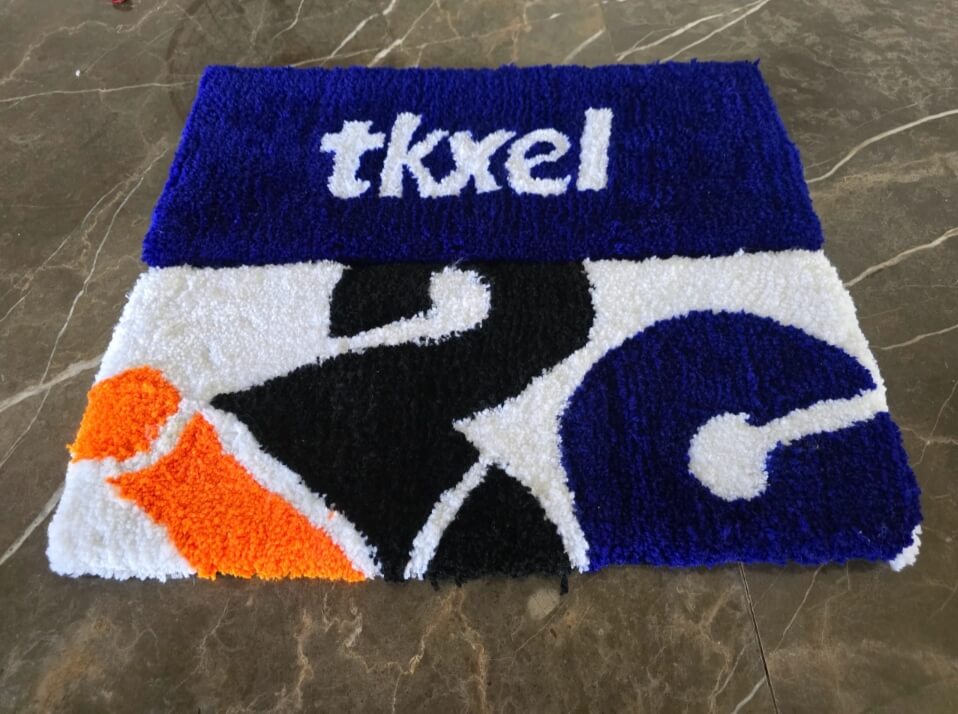
Opening a new office, branch, or studio comes with a long list of decisions. One detail that can get overlooked is what goes on the floor. A custom rug is one way to add some branding, colour, or personality to different parts of a workplace.
Depending on the space you are setting up, you might look at logo rugs, entrance rugs, floor rugs, workspace rugs, or keyboard rugs. Each one can work differently depending on where it is placed. This article covers where custom rugs may fit into a new office, branch, or studio, and how to think about location, size, design, and everyday use.
Why Consider Custom Rugs for a New Office, Branch, or Studio?
Setting up a new workplace gives you a chance to bring your branding into the space. A rug sits in a spot people notice, whether that is the entrance clients walk through or the reception area they wait in.
Rugs can add a branded touch to a few different areas:
- Reception areas
- Entrances
- Workspaces
- Meeting areas
- Studio spaces
A rug should fit the space it is going into, not just look nice on its own. A rug picked only because it is attractive, without thinking about the size of the room, the flooring, or how people move through it, can end up looking out of place or getting in the way. It is worth thinking about function first and style second.
Custom Rugs for New Office Openings
When you are setting up a new office, there are a few spots where a custom rug looks good.
Reception or logo rugs: These work well near the reception area, where a company logo or a design that fits the brand can be one of the first things visitors see when they walk in.
Entrance and floor rugs: These depend a lot on the floor space you have to work with. Some entrances are wide and open, others are narrow, and the rug you choose should match that layout rather than fight against it.
Workspace rugs: These are smaller and go around desks or work areas, adding a bit of colour or texture without taking over the room.
In all three cases, it helps to think about how the rug will sit alongside the existing furniture, flooring, and brand colours already in the office. A rug that clashes with the surroundings will stand out for the wrong reasons.
Custom Rugs for New Branch Launches
Opening a new branch is a bit different from opening a single office, because there is usually an existing brand identity that the new location needs to match while still working with its own space.
A few areas worth thinking about for branch launches include:
Reception desk: This is often the first spot visitors see, so a rug here can carry the branch’s logo or brand colours.
Customer facing areas: Any spot where customers spend time can use a rug that keeps the look consistent with the rest of the branch.
Entrance: The size and shape of the entrance can be different from branch to branch, so the rug may need to be adjusted each time.
Waiting areas: These spots see people sitting or standing for longer, so the rug should hold up to that kind of use.
Employee workspaces: A smaller rug here can add a bit of branding without getting in the way of daily work.
Even when the branding stays the same, the size and placement of the rug in each area may need small changes to suit the space it is going into. Measurements and floor layouts are rarely identical from one branch to another, so it is worth checking each location separately before ordering.
Custom Rugs for New Studio Openings
Studios can look very different from one another depending on the type of work happening inside them, so there is not one single rug that fits every studio.
Custom rugs can be considered for a number of areas in a studio setting:
Studio entrances: The first area people walk into, where a rug can set the tone for the rest of the space.
Reception or waiting areas: A spot for visitors or clients to sit, where the rug can reflect the studio’s style.
Workstations: Smaller rugs here can add colour without interfering with equipment or movement.
Creative spaces: These areas are often more relaxed, so a rug with a bolder pattern or color can work well.
Meeting areas: A more toned down rug may suit these spots better, especially if clients spend time there.
Since studios often have their own visual identity already, the rug should fit in with that style rather than stand apart from it. It also helps to think about how practical the rug is for the way the space gets used, especially in areas with equipment or frequent movement.
Reception and Logo Rugs: Bringing Branding Into the Space
A reception or logo rug can add a clear brand identity to the first impression visitors get of your office or studio.
Some common approaches include:
Company logos: Placing the logo directly on the rug so it is one of the first things a visitor sees.
Brand colours: Using one or two brand colors in a simple layout, without needing the full logo.
Simple branded designs: A design that reflects the brand without being too detailed or busy.
Patterns that reflect the business identity: A pattern style that fits the overall feel of the business, rather than a standard design.
Before settling on a design, it is important to measure the reception area so the rug is sized appropriately for the space. A logo or design that is too small can get lost in a large room, while one that is too big can overwhelm a smaller space. It also helps to keep the design clear and easy to see, especially if the surrounding area already has a lot going on visually, like patterned flooring or busy furniture.
Entrance and Floor Rugs for New Workplaces
Entrances and open floor areas have their own set of things to think about, separate from reception or workspace rugs.
A few points are important to consider:
Available floor space: How much room there is around the entrance affects what size rug will fit properly.
Furniture placement: Nearby furniture can limit where a rug can go without getting in the way.
Walking areas: The rug should sit where people naturally walk, without blocking the path.
Rug size: Too small and it looks out of place, too large and it can interfere with doors or furniture.
Material and construction: Entrances usually see more foot traffic, so the material should be able to handle regular use.
Different entrances call for different rug choices depending on how the area gets used. A busy entrance with a lot of foot traffic will have different needs than a quieter side entrance used mostly by staff. Before deciding on a cleaning routine, it is a good idea to check the specific rug’s care requirements, since materials and constructions can vary quite a bit in how they should be maintained.
Rugs for Desks and Work Areas
Smaller custom rugs can also be used around individual work areas, adding a bit of personality to a desk without taking up too much space.
When choosing a rug for a work area, it helps to think about:
- The size of the desk and the floor space around it.
- How much the chair moves and where nearby furniture sits.
- Whether the rug will get in the way of daily movement.
- Simple logo designs, patterns, or brand colours tend to work well in these spaces.
The main thing is to keep the rug’s look comfortable with the rest of the office interior, so it feels like part of the overall setup rather than something added on separately.
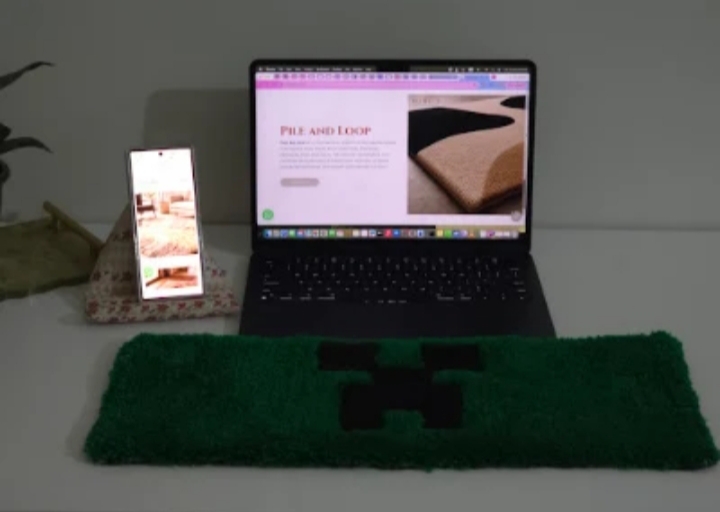
Keyboard Rugs for Individual Workstations
Keyboard rugs are one option for personalizing a desk setup, though they are a smaller detail compared to reception, entrance, or workspace rugs.
These rugs sit around the keyboard area, and their exact placement depends on the size and design chosen. A few things to think about before choosing one:
- The keyboard setup
- Desk dimensions
- Available surface area
- The design you want
For a more personalized workstation, a logo, brand colours, or a simple pattern can work well. Since this is a smaller detail within the bigger picture of office setups.
How to Choose the Right Custom Rug for Your Space
Start With the Location
Before anything else, decide where the rug will actually go. Reception areas, entrances, workspaces, and studio spaces do not have the same requirements, so the location should guide the decisions that come after it.
Measure Before Ordering
Measure the space you are working with, including any furniture, doors, walkways, or desks nearby. This helps avoid ordering a rug that is too large or too small for the spot you had in mind.
Think About the Material
Different materials and constructions come with different care needs and hold up differently under everyday use. The right choice usually depends on where the rug will sit and how much use that area gets. Once you have picked a rug, check its specific care instructions rather than assuming all rugs are maintained the same way.
Choose a Suitable Design
Decide whether you want a logo, brand colours, a pattern, or something else entirely. Whatever you choose, it should work with the rest of the interior rather than stand apart from it.
Consider Maintenance
Think about how the rug will be cleaned and maintained over time, and follow the care instructions that match its particular material and construction.
Custom Rug Options From Pile & Loop
Pile & Loop offers custom rug options that businesses can consider when setting up a new office, branch, or studio. Depending on what you are looking for, you can think through the placement, size, design, and intended use of the rug as part of the conversation.
If you are not sure where to start, it can help to think about which area you are trying to furnish first, whether that is a reception space, an entrance, or a smaller workstation, and go from there.
Every request is reviewed before the production. If you are setting up a new office, branch, or studio, explore the custom rug options available from Pile & Loop and choose a design that fits your space and branding needs.
Conclusion
Opening a new office, branch, or studio is about more than arranging furniture and setting up workstations. Small details can also help make the space feel connected to the business and its brand. Custom rugs can be considered for different areas, including reception spaces, entrances, work areas, studios, and individual desks.The right choice can depend on the space available, rug size, material, design, placement, and how the area is used. A logo rug may suit a reception area, while a smaller workspace or keyboard rug may work better around an individual desk. For studios and branches, the design can also be chosen to fit the existing interior and branding.
Before ordering, it can help to measure the space, think about the rug’s purpose, check the material and care requirements, and choose a design that works with the rest of the workplace.
If you are planning a new office, branch, or studio, Pile & Loop can be considered when exploring custom rug options for your space. Choose a style and design that fits your workplace, your branding, and the way the space will be used.
FAQs
What type of custom rug can be used in a new office?
It depends on the area. A logo rug can work near reception, a larger floor rug near the entrance, and smaller rugs around individual desks or work areas.
Can custom rugs be used in different areas of a new branch?
Yes. Branches often use rugs in reception areas, customer facing spaces, entrances, waiting areas, and employee workspaces, adjusted to fit each location’s layout.
Are custom rugs suitable for studio spaces?
They can be, depending on the studio’s layout and the way the space is used. Entrances, workstations, and meeting areas are common spots to consider.
What should I consider when choosing a rug for an office entrance?
Think about the available floor space, furniture placement, walking areas, rug size, and the material, along with how much foot traffic the entrance gets.
How can I choose between a reception rug, floor rug, workspace rug, and keyboard rug?
Start with the location and how the area is used. Reception areas often suit logo rugs, entrances suit larger floor rugs, and desks or workstations suit smaller workspace or keyboard rugs.
Research Resources
Source title
Complete Guide to High Traffic Entrance Mats – Mats4U USA
Publisher
https://www.mats4u.com/blogs/news/high-traffic-entrance-mats-guide
Information used
General background on how entrance mats and rugs are expected to handle heavy daily foot traffic, moisture, and dirt in commercial settings.