Posted on — Leave a comment

Branded Workspace Solutions for Employee Experience and Team Identity

Branded Workspace Solutions for Employee Experience and Team Identity

Most employees spend a large part of their day sitting at their desks. They type out emails, manage projects, and run daily tasks from the exact same spot. Because so much time is spent right here, the way a desk is set up can influence how comfortable people feel during their shift. A well-organized desk can help employees feel a bit more connected to their everyday work environment.

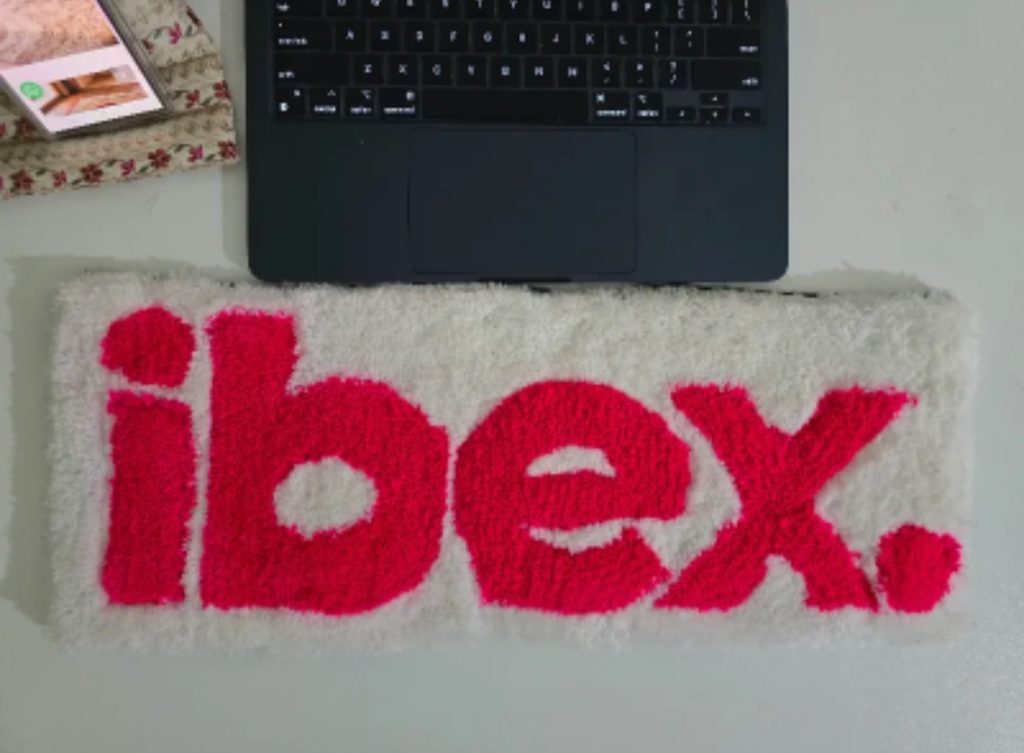
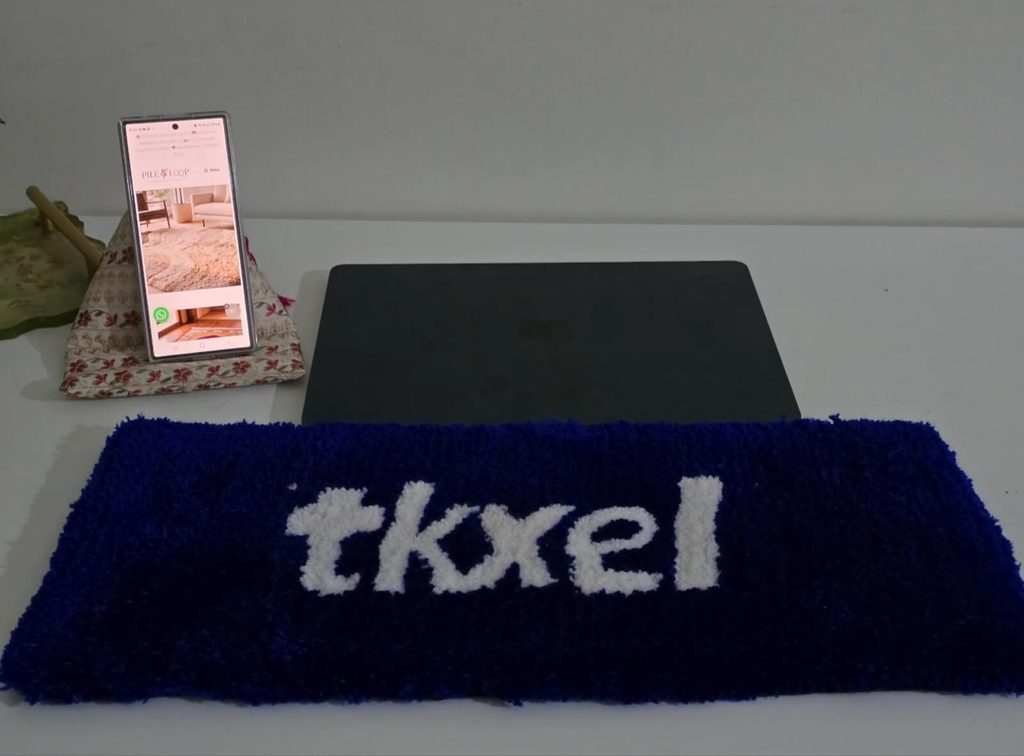
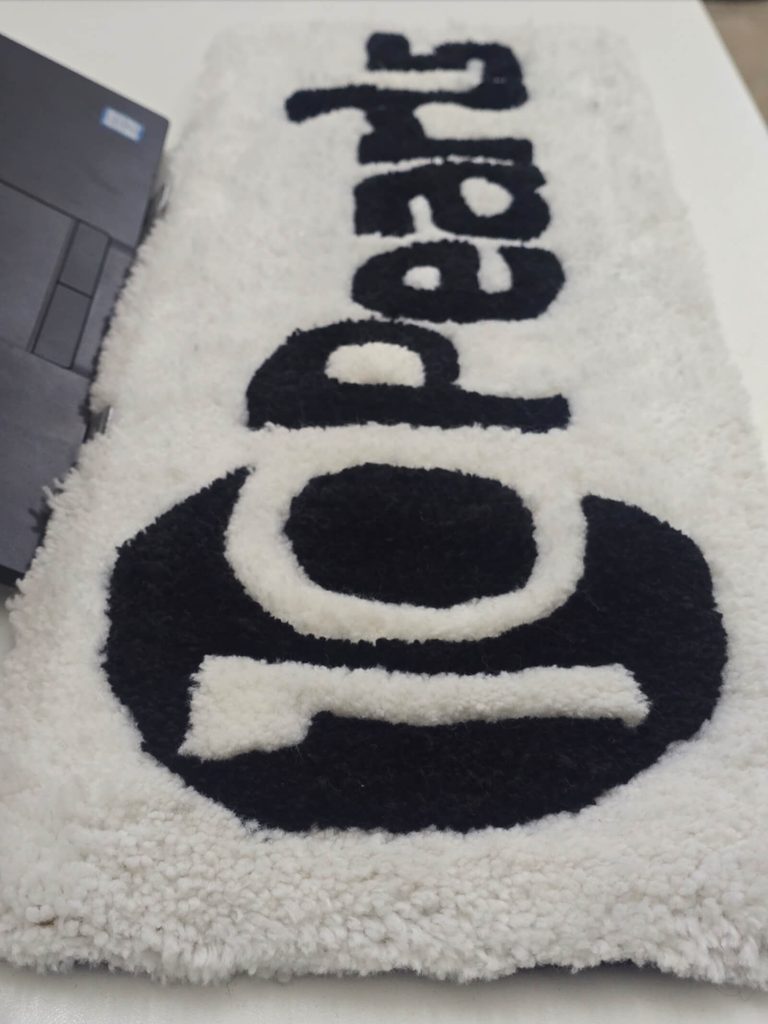
Adding company branding directly to a desk does not require a total change of the office furniture. Small, practical additions can often make a noticeable difference. Branded keyboard rugs offer a simple way to bring a company’s identity right onto individual desks. They act as soft mats that sit under key accessories, combining everyday function with visual branding.

Custom keyboard rugs work well across various work setups. Whether you are outfitting existing team members, refreshing open plan office workstations, or building out dedicated computer stations, these keyboard rugs add a neat touch. Pile&Loop offer custom rug solutions, including custom keyboard rugs made to match specific workplace styles and workspace dimensions.
What Are Branded Keyboard Rugs?

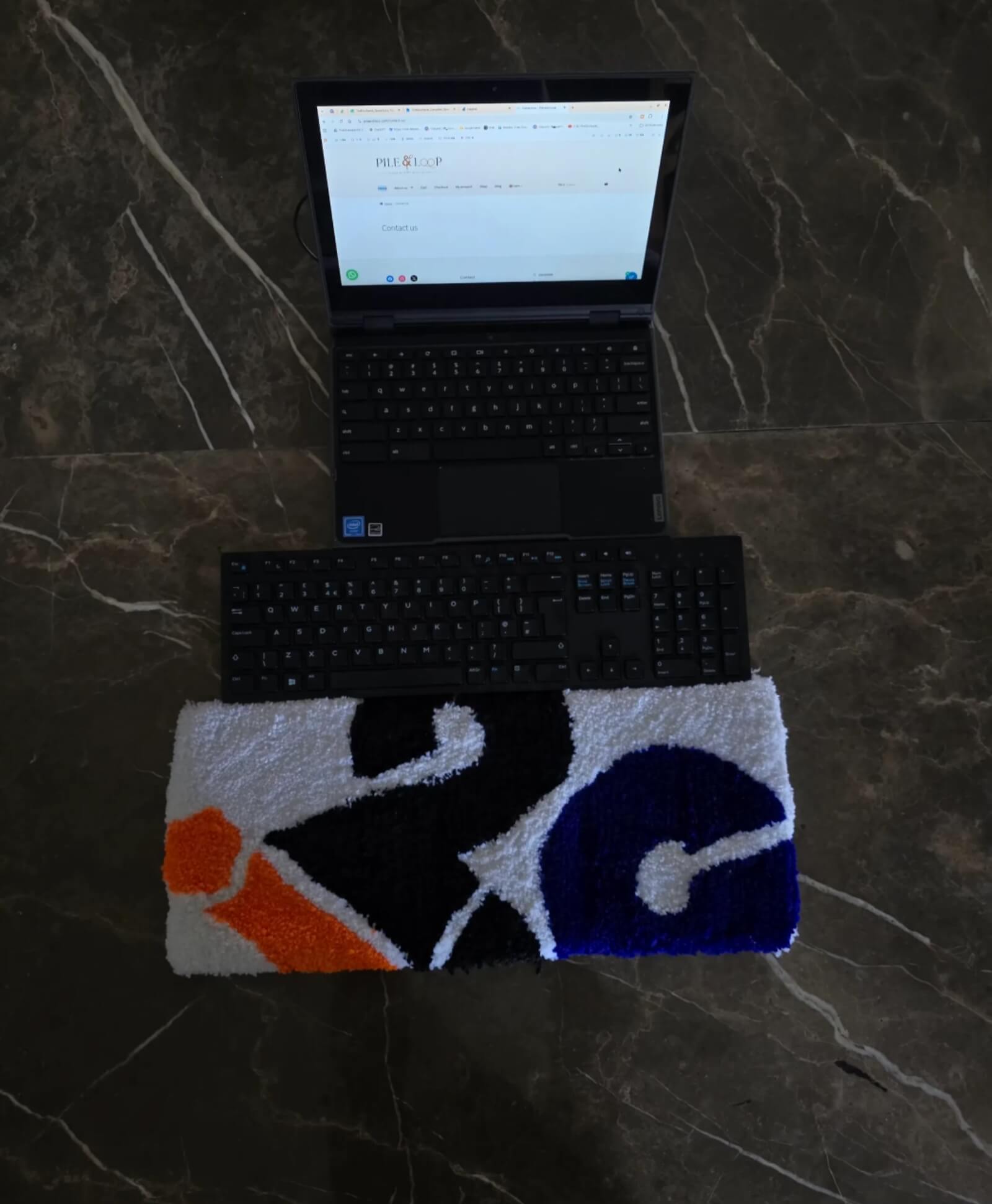
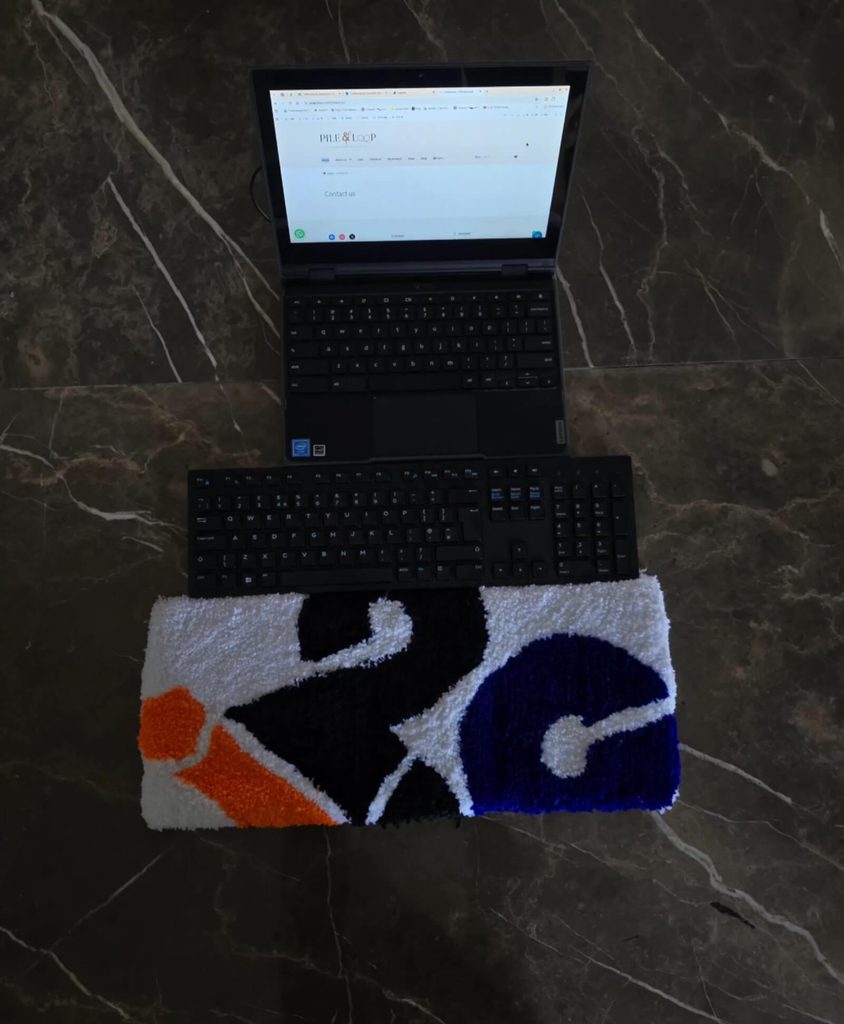
A keyboard rug is a specially designed rug that sits directly under or against an employee’s keyboard area. Similar to a standard desk pad, it outlines the central typing area of the desk, giving hardware a designated surface to rest on.

What turns a standard mat into a branded keyboard rug is the inclusion of distinct company details built into the textile design:

Company Logos: Displaying the main crest, wordmark, or emblem.

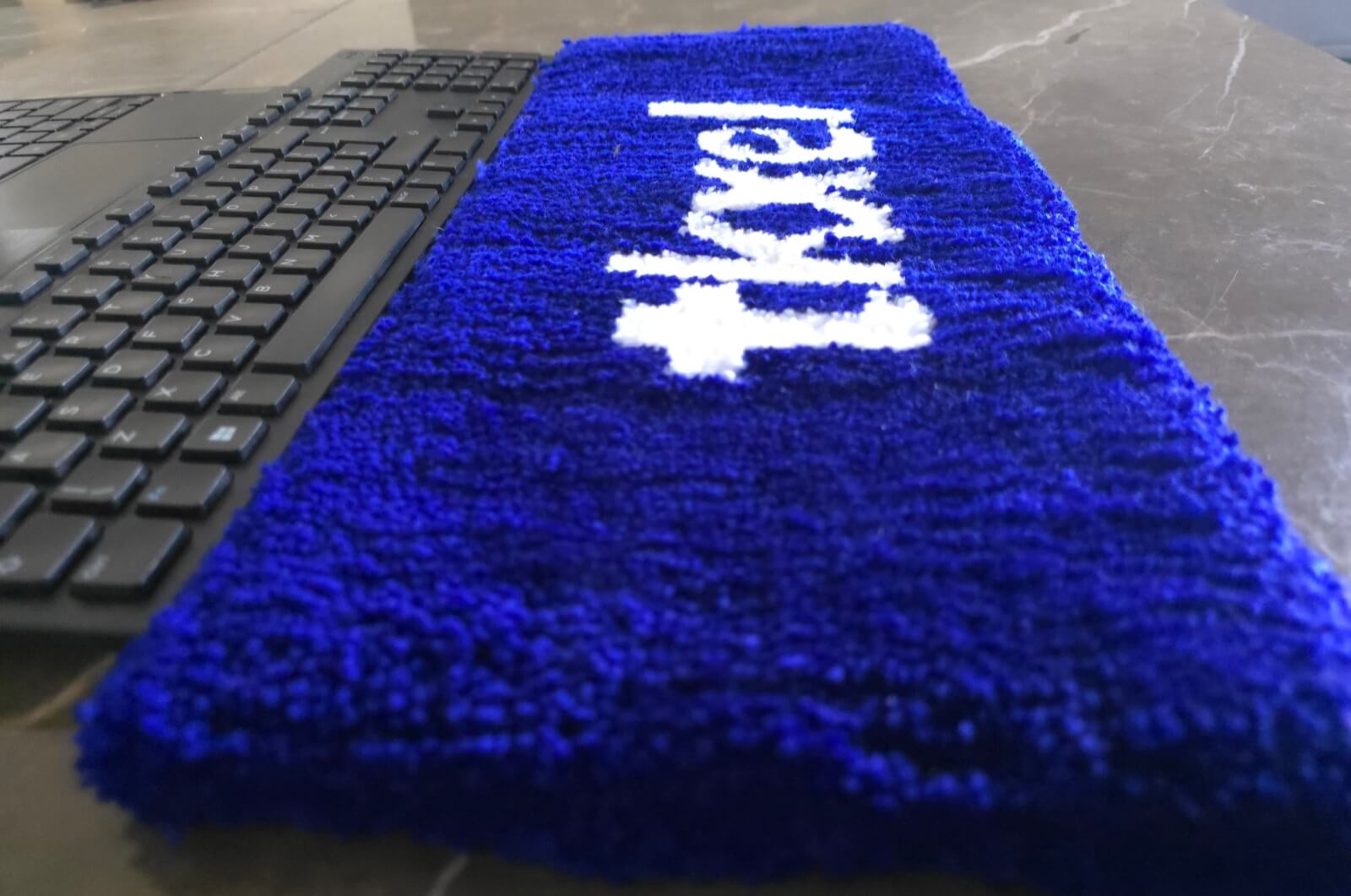
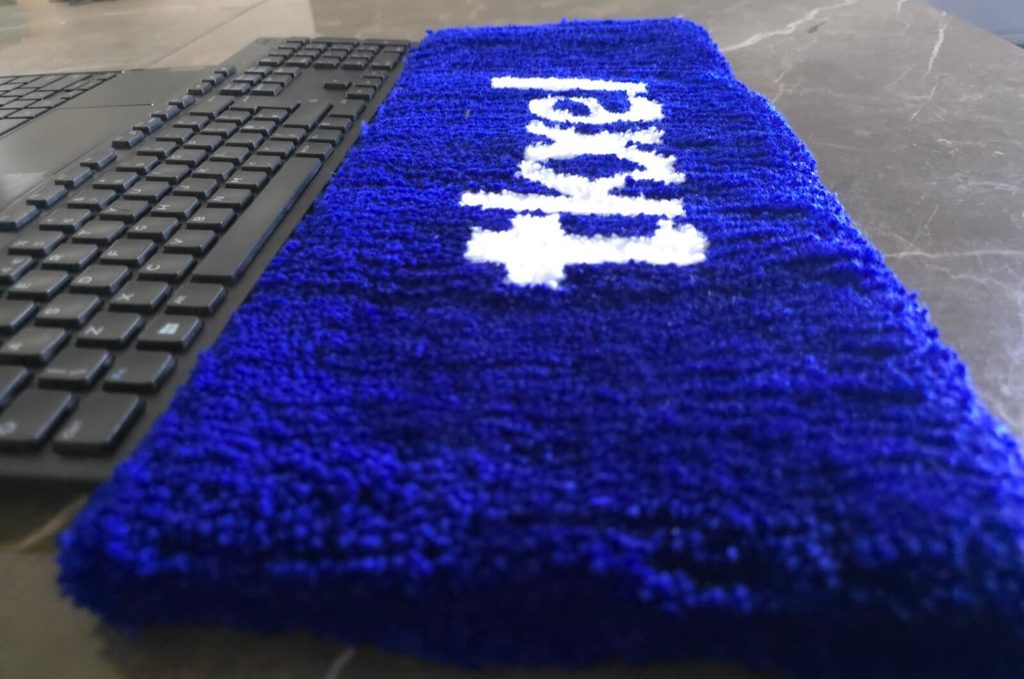
Brand Colours: Using accurate brand colours to match company guidelines.

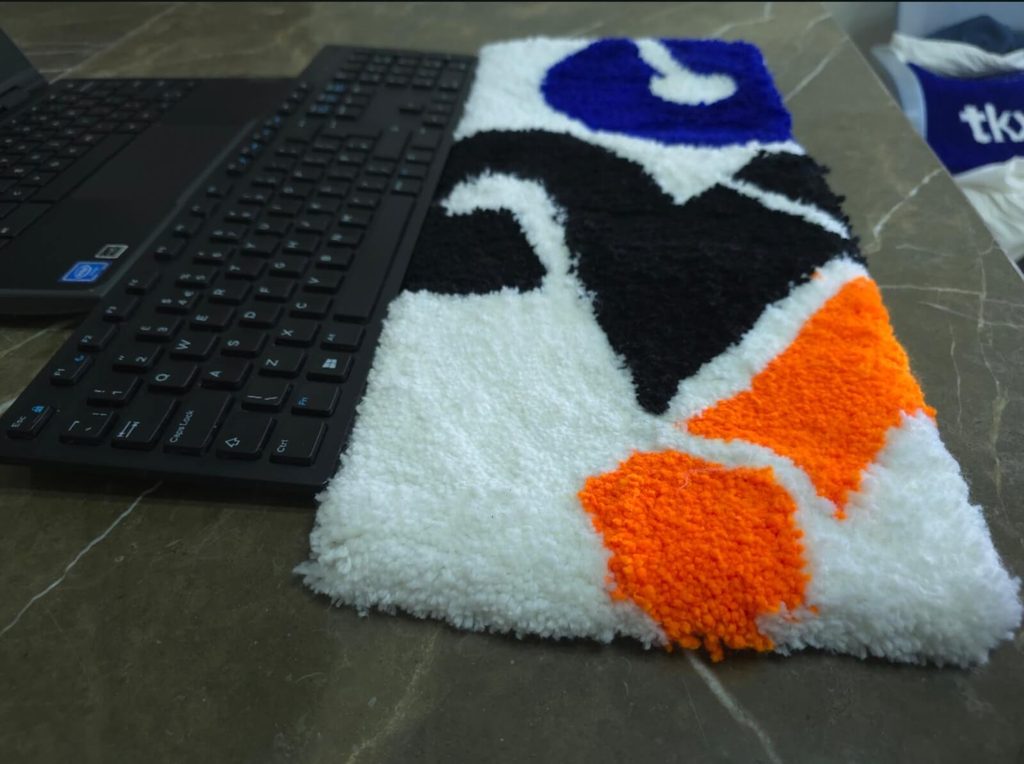
Custom Shapes and Patterns: Crafting unique borders, graphic lines,.or soft background patterns

Brand Elements: Incorporating company taglines or team icons into the fabric pattern.

These design choices can be tailored to suit any specific office look. Whether a workplace favors a bold graphic design or a soft tone pattern, custom manufacturing allows the rug to fit right into the room’s existing decor.

How Keyboard Rugs Can Support the Employee Workspace

Instead of focusing on promotional giveaways or occasional gifts, it helps to view keyboard rugs as everyday tools for the desk. They offer practical visual value for people using their computers day in and day out.

Creates a More Personal Desk Setup

Working long hours at a plain desk can sometimes feel repetitive. Adding a branded keyboard rug gives the space a clear visual identity. It connects the desk to the broader company culture, helping the setup feel intentional rather than generic, all without needing major layout changes.

Helps Define the Keyboard Area

A keyboard rug sets clear visual boundaries on top of the desk. It marks where the keyboard belong, which naturally helps keep random paperwork, pens, and clutter from creeping into the typing area. This gives the entire station a cleaner, more organized look throughout the workday.

Adds a Branded Touch to Individual Workstations

Many offices put their logos on entryway walls, lobby signs, or common room glass. While that looks great for visitors, employees don’t spend their day staring at the front lobby. Bringing brand elements directly onto individual desks allows team members to interact with the company’s visual style right where they actually work.

Keyboard Rugs and Team Identity

Team identity is the shared space that grows when people work toward common goals. The physical office environment plays a role in supporting this feeling. When employees across different desks use keyboard rugs with matching visual elements, it builds clear visual consistency throughout the room. Looking across an open floor plan and seeing unified design choices creates a soft, connected look across all stations.

Companies can also adapt this idea for specific departments. For example, the software engineering team, creative department, and customer support group might each have keyboard rugs featuring slightly different colours or sub team details, all while using the same overarching corporate logo and rug material.
Why Branded Keyboard Rugs Can Be Useful for Existing Employees

It is common for companies to focus workspace updates on new hires. However, current employees who have worked at the company for years also benefit when their workspaces get attention. Existing employees often already have complete desks with monitors, stands, and personal items set up. A keyboard rug can be added easily without replacing the whole workstation or moving heavy equipment. It provides a small, simple way to refresh an existing desk setup without disrupting the person’s daily work routine.

Companies can consider branded keyboard rugs when they plan to update workspaces, rebrand offices, or standardize desk setups. They offer a simple physical refresh, though they should be seen as a desk accessory rather than a guaranteed fix for employee satisfaction or job performance.

Choosing the Right Keyboard Rug for a Branded Workspace

To pick a keyboard rug that works well for daily use, companies can look at a few basic details before placing an order:

Consider the Desk Size: Look at the available space on the employee desks. Make sure the keyboard rug fits comfortably around the keyboard without spilling over desk edges or pushing into monitor stands.

Choose a Design That Matches the Brand: Look at the company logo and brand colours. Keep the design simple and easy to recognize. A clean layout ensures the rug looks good alongside existing office furniture.

Think About Everyday Use: Since employees use these rugs regularly, consider the daily office routine. Choose a design style and material that fits a typical computer desk environment. Consider Different

Employee Workstations: Not every employee has the exact same desk size or layout. Companies can check whether one standard size works for everyone or whether offering two different sizes looks good for the team.

Using Keyboard Rugs to Create a Consistent Workplace Look

Using repeated keyboard rug designs across an office can make workstations look far more consistent. When visitors, clients, or managers look across an open room, seeing the same logo, matching colours, or identical design style on every desk creates a neat, organized look.

This approach works well when a company wants its physical workspaces to clearly reflect its visual brand identity. Keeping the focus on keyboard rugs lets companies build this uniform style across individual desks without buying expensive matching furniture for every room.

Custom Keyboard Rugs for Different Types of Teams

Different departments perform different tasks, but branded keyboard rugs fit easily into almost any computer based workflow.

Software and Tech Teams

Tech teams rely heavily on computer setups with keyboards. Branded keyboard rugs fit naturally into these keyboard focused workstations, providing a soft surface under or against their daily input tools.

Creative and Design Teams

Designers care about visual details. Custom keyboard rug designs can be planned around the company’s visual style so the rug becomes a complementary part of the desk’s overall look.

Remote and Hybrid Teams

When employees work from home or use different hot desks in the office, custom keyboard rugs offer a light, portable desk element. Sending a branded keyboard rug to remote workers brings a bit of company branding to their home workstations.

Office Based Teams

In traditional office spaces with rows of desks, matching keyboard rugs create clear visual consistency across the entire floor. Different departments can use the same overall branding approach to keep the whole office looking uniform.
How Companies Can Plan a Keyboard Rug Order

Planning an order for custom keyboard rugs is easy when you follow a clear sequence:

  • Decide how many employees need keyboard rugs for their desks.
  • Measure a few typical desks and check keyboard sizes across the office.
  • Finalize the official company logo file and design layout.
  • Select suitable brand colours and materials based on the intended desk setup.
  • Confirm the total quantity and sizes needed for the office.
  • Review a visual design sample before placing the final order.
  • Discuss custom requirements with Pile&Loop based on the keyboard rug options they offer.

Conclusion

Employees interact with their desks every single working day. Adding branded keyboard rugs gives companies a simple, practical way to bring their visual brand identity directly to individual workstations without replacing existing desk furniture or making major floor plan changes. Selecting the right size, clear branding, and a suitable design ensures the rug fits naturally onto any desk. If you are looking to refresh current team workstations or standardize your office appearance, custom keyboard rugs are a practical option to consider.

Looking for custom keyboard rugs for your team’s workstations? Explore the custom keyboard rug options from Pile&Loop and discuss your branding, size, and design requirements with team today.

FAQs

Should all employees receive the same keyboard rug size?

Not always. The right size often depends on available desk space, the size of the keyboard and mouse setup, and how each workstation is used. Checking a few desk dimensions first helps you decide if one size works or if multiple sizes are needed.

Can keyboard rug designs be different while keeping the same company branding?

Yes. Companies can choose slightly different background designs or secondary colors for different departments while keeping core brand elements like the main logo or primary brand colours identical.

Can a branded keyboard rug fit into an already designed office?

Yes. Because keyboard rugs can be customized with neutral tones, simple shapes, or minimal logos, companies can easily pick a design that matches their current desk finishes and office decor without changing the rest of the room.

How can companies keep branded keyboard rugs consistent across multiple workstations?

To maintain a consistent look, companies should use approved high resolution logo files, stick to standard brand color codes, follow clear design guidelines, and order agreed sizes for their workstations.

Are branded keyboard rugs suitable for companies with employees working from different locations?

Yes. Companies with office, remote, or hybrid teams can consider keyboard rugs for various locations based on individual workstation needs, providing a practical way to add company branding to any desk setup.


Posted on — Leave a comment

How Interior Designers Can Use Custom Rugs for Commercial Spaces

Commercial spaces need to look well planned while also working for everyday use. When you walk into an office, a hotel, or a cafe, the floor takes up a lot of visual space. Floor coverings play a big role in how a room feels and how people move through it. Rugs can help interior designers bring different parts of a space together, making large rooms feel more grounded and welcoming.

A custom rug can be planned around the exact size, colours, shape, and overall style of a commercial space. Instead of trying to adapt a room to fit a store bought rug, designers can create a piece that fits the exact needs of offices, reception areas, cafes, retail spaces, hotels, and other commercial settings.

When looking for tailored floor solutions, Pile&Loop is a custom rug brand that works directly with custom sizes, shapes, colours, designs, and artwork based requirements. By focusing on flexible options, they help designers turn floor space into a functional and visual asset for any commercial project.

Why Custom Rugs Can Be Useful in Commercial Interior Design

Standard store bought rugs often come in fixed shapes and sizes that might not fit every commercial layout. A custom rug can be planned according to the space instead of choosing a standard size that feels too small or too large. A custom rug can help connect furniture, flooring, wall colours, and other parts of an interior. It acts as an anchor, bringing individual pieces of furniture together so they look like a single, intentional setup rather than disorganized items.

Designers can use rugs to add colour or pattern without changing the whole space. Painting walls or replacing hard flooring can be expensive and time consuming. Adding a well designed rug allows you to update the room’s character without major renovations. A rug can also help define a particular area within a larger room. Whether you want to highlight a quiet reading nook in a hotel lobby or set boundaries for a collaborative zone in an office, a rug marks the spot visually.

When choosing a rug, the final decision should depend on the purpose of the space, the layout, and the expected use. Thinking through how people walk, sit, and work in the area will help guide the right choice.

Use Custom Rugs to Define Different Areas

Open plan layouts are very popular in modern buildings, but they can sometimes feel vast and unorganized. Designers can use rugs to visually separate areas without adding physical walls, keeping the space open and bright while still adding structure.

Reception Areas: Placing a rug around the reception desk or the main waiting area gives visitors a clear place to go. You can use colour and shape to make the reception area feel connected to the rest of the interior, creating a soft and welcoming first impression.

Meeting and Lounge Areas: In casual meeting spaces or lounge zones, a rug can help visually mark where the meeting zone begins and ends. Choose a size that works with the furniture arrangement, making sure the seating sits comfortably on or around the rug edge.

Open Plan Offices: Rugs can help separate different sections of an open workspace, such as a team breakout area, a coffee spot, or a quiet focus space. Consider how the rug works with desks, chairs, walkways, and other furniture to ensure it does not create an obstacle on the floor or block chair wheels.

Match the Rug With the Interior Design

To make a custom rug look like it belongs in the room, start with the existing colour palette of the space. Take a close look at the furniture finishes, wall colours, flooring, lighting, and other major design elements.

Choose a rug design that supports the overall look rather than competing with it. If the room already features bold wall art, patterned wallpaper, or colorful furniture, a simpler rug design with neutral tones or subtle textures might work best. On the other hand, more noticeable patterns or bolder colours can work better when the rest of the interior is simple and quiet. In a minimalist office with grey walls and plain desks, a colorful or geometric rug can add just the right amount of personality to keep the room from feeling cold.

Choose the Right Size and Shape

Getting the scale right is key when designing a rug for a commercial space. Always measure the area carefully before deciding on the rug dimensions. Think about where furniture will sit in relation to the rug. In a lounge or waiting area, it usually looks best if at least the front legs of the sofas and chairs rest on the rug. A rug that is too small may look lost in the room and fail to define the intended area clearly. A larger rug often works better for open seating or reception areas, as it holds the space together comfortably.

Don’t feel limited to standard rectangles. Custom shapes such as circles, ovals, runners, or asymmetrical designs can be considered when a standard rectangular rug does not suit the room’s layout or architectural features.

Use Custom Rugs for Brand Identity

Interior designers working on branded commercial spaces can use colours and designs that relate to the company’s identity. Floor space offers a unique quiet way to highlight who the company is.

Logo Rugs: Logo rugs can be considered for reception areas, main entrances, offices, retail spaces, and other suitable locations. Placing a clean logo on the floor right where people walk in leaves a lasting impression.

Subtle Branding: A logo or brand inspired design does not have to take over the whole space. You do not need a huge logo covering the entire rug.

Balanced Colours: Consider using brand colours in a balanced way so the rug fits naturally with the rest of the interior. You can use a company’s secondary brand colour as a border accent or background shade to keep the space looking professional rather than overly promotional.

Custom Rugs for Different Commercial Spaces

Different commercial environments have different functional and aesthetic goals. Here is how custom rugs can work across various sectors:

Offices:

Reception areas: Welcoming spots for guests that set the tone for the company.

Meeting rooms: Sound softening foundations under conference tables.

Executive offices: Warm elements that add comfort and personality.

Lounge areas: Soft seating zones for casual breaks.

Shared workspaces: Visual markers to divide different team areas.

Retail Stores and Showrooms:

Entrance areas: Clean spaces that invite shoppers inside.

Product display zones: Highlighted spots that draw attention to key products.

Customer waiting areas: Comfortable spaces near fitting rooms or service counters.

Brand focused sections: Special areas styled to match specific product lines.

Cafes and Restaurants:

Seating areas: Cozy additions under dining tables to make spaces feel inviting.

Reception or waiting spaces: Comfortable spots for guests waiting for a table.

Brand focused areas: Fun focal points that guests might feature in photos.

Hotels and Hospitality Spaces:

Lobby areas: Grand groundings for high ceilinged entrance halls.

Lounge spaces: Intimate setups for guests to relax or drink.

Guest facing areas: Hallways and seating corners that feel warm.

The exact rug requirements will vary depending on the space, layout, traffic level, and overall design brief.

Consider Material, Pile, and Everyday Use

A commercial rug needs to be functional as well as attractive. The chosen rug should suit how the space will be used on a daily basis. Consider the amount of foot traffic in the area. High traffic spots like main walkways, hotel lobbies, and store entrances need durable materials and construction that can handle constant walking and shoes. Low traffic spots like private offices or formal meeting rooms can focus more on softness and plush feel.

Think about cleaning and regular maintenance before choosing the rug. Lower pile heights (flat weave or short loop styles) are generally easier to vacuum and keep clean in commercial settings. Pile height and surface feel also affect how the rug works with furniture and movement. Office chairs with wheels do not roll easily on thick, plush rugs, so short, tight piles work much better in desk areas. Interior designers should discuss these practical requirements with the client before finalizing the design.

Give the Rug a Clear Role in the Overall Design

Instead of using a rug simply to fill an empty floor area, designers can decide early on what role it should play in the project. Giving the rug a purpose helps guide decisions on colour, size, and material.

Possible roles include:

Defining a seating area: Marking clear boundaries for chairs and tables.

Supporting a brand identity: Using company colours to reflect the brand culture.

Adding colour to a simple interior: Bringing life and warmth to plain rooms.

Creating a visual focal point: Drawing the eye to a specific feature like a reception desk.

Connecting furniture and flooring: Smoothing the visual transition between hard floors and seating.

Adding a personalized element: Making a commercial space feel less generic and more unique.

Working With a Custom Rug Brand

To get the best result when working with a custom rug brand, clear communication is essential:

Share requirements clearly: Provide the desired size, shape, colour, artwork, logo, or design references early in the process.

Explain the environment: Let the brand know where the rug will be used and what type of space it is for (e.g., a quiet office vs. a busy café entrance).

Discuss expected use: Talk through foot traffic, furniture placement, and maintenance needs before confirming the design.

Review the proof carefully: Check scale, artwork placement, and colours carefully so the final rug fits seamlessly into the overall interior plan.

Conclusion

Custom rugs give interior designers a practical way to bring together colour, layout, furniture, and brand identity in commercial spaces. By planning a rug around the specific needs of a room, you create a space that feels intentional, cohesive, and easy to use. The right choice always depends on the room’s layout, daily foot traffic, size measurements, overall design direction, and long term maintenance needs. For designers working on offices, retail spaces, cafés, hospitality settings, or other commercial projects, custom rugs offer a tailored solution rather than relying on standard off-the-shelf products.

Planning a commercial interior project? Every request is reviewed before the production. Talk to Pile&Loop about a custom rug based on your space, design, colours, artwork, logo, size, or shape requirements. Share your project details today to discuss a custom rug option that fits your interior vision.

FAQs

Can interior designers use custom rugs in open plan offices?

Yes. A custom rug can be used to visually define areas such as lounge seating spaces, casual meeting zones, or collaborative sections within an open plan office without building solid walls.

How should designers decide where to place a custom rug?

Start by looking at the room layout, furniture placement, main walking paths, and the overall purpose of the space. Placing rugs under key seating clusters or reception desks usually creates the best flow.

Are custom rugs suitable for every area of a commercial space?

Not always. The suitability of a rug depends on factors such as foot traffic levels, risk of heavy spills, furniture movement, cleaning routines, and how the area is used every day.

How can a custom rug support a commercial brand without using a large logo?

A designer can use a company’s brand colours, shapes, subtle patterns, or border accents instead of putting a large logo in the center. This helps the rug reinforce the brand identity while fitting naturally into the decor.