
When you start shopping for a custom rug, you will quickly notice that prices vary from one project to another. Unlike ready-made rugs that sit on a retail shelf with a fixed price tag, custom rugs are made to order according to your preferences. Because every buyer has different needs, there is no single standard cost.
The final price depends on a mix of key choices you make along the way. These include the rug’s size, the material you pick, the design detail, the way it is constructed, its shape, and extra features like pile height. Understanding these factors will help you plan your budget realistically and make practical decisions before placing an order.
What Determines the Cost of a Custom Rug?
The cost of a custom rug is built from the ground up based on the resources and labor needed to make it. Here are the important elements that shape your estimate.
Rug Size
Size plays a major role in pricing because larger rugs require more materials and longer production time. A small entryway rug uses far less yarn and backing than a large rug designed for a main living area or corporate lobby. Measuring your space carefully before requesting a quote prevents you from paying for extra square footage you do not need.
Material Used for the Rug
The fiber you choose directly influences the price, feel, and long-term durability of the rug:
Wool: A classic natural choice known for its soft feel, resilience, and resistance to dirt. It tends to sit at a higher price point due to its quality.
Cotton: A practical option that works well for light-use spaces, offering a casual look at a moderate cost.
Synthetic materials: Fibers like polyester or nylon are often budget friendly, stain resistant, and suitable for high traffic areas.
Selecting the right material comes down to matching your budget with where the rug will live and how much foot traffic it will receive.
Rug Construction and Making Method
How a rug is constructed changes the amount of hands on labor involved. Methods like hand tufting or weaving require different skill levels, tools, and production times. Techniques that involve detailed manual work take longer to complete, which increases the overall cost compared to simpler production processes.
Design Complexity
A simple design with bold shapes is faster to produce than a piece with complex artwork. Factors that add to the labor include:
- Using a high number of yarn colours.
- Incorporating fine details or small text.
- Intricate geometric patterns or illustrative characters.
Detailed visuals require extra planning, precision colour matching, and careful yarn placement during manufacturing.
Shape and Custom Dimensions
While standard rectangular rugs are the easiest to produce, custom shapes require unique cutting and edge finishing techniques. Circular rugs, runner formats for unusual hallways, or irregular cutouts designed to fit around furniture or architectural features require extra preparation work.
How Custom Designs Can Affect Rug Pricing
Personalization brings a space to life, but specialized graphics add extra steps to the preparation stage.
Logos and Branding
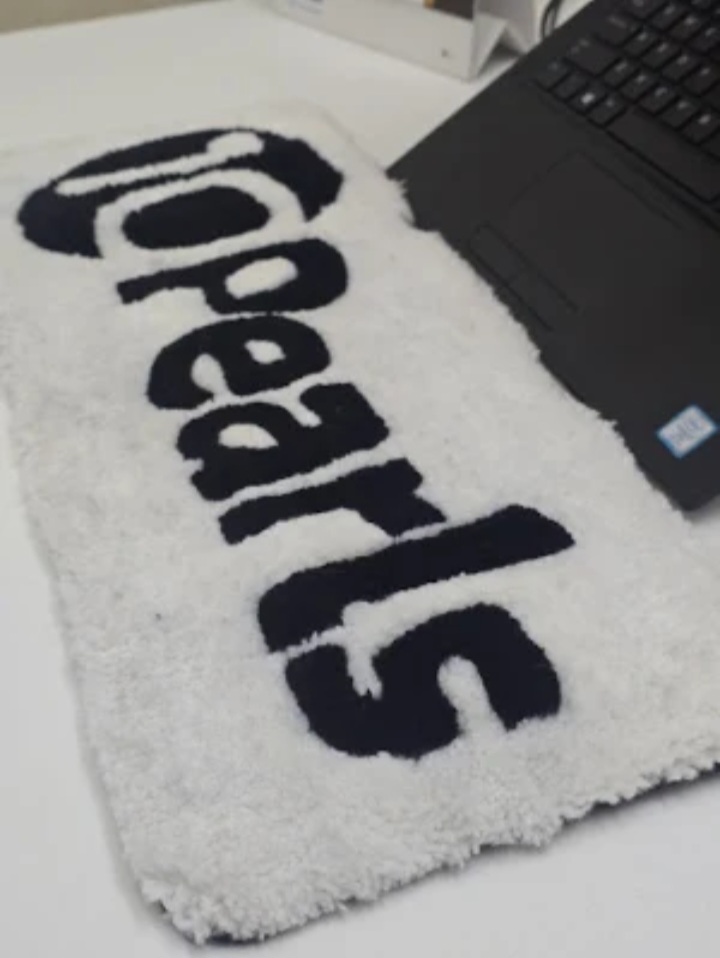
If you are ordering a rug for an office, display, or commercial space, putting a logo on the rug involves setting up artwork files and mapping colours accurately. Larger or multi coloured logos require more colour setup than a simple, single colour mark.
Personalized Artwork and Images
Turning custom illustrations, drawings, or images into a rug pattern requires converting the art into a workable grid for yarn placement. The clearer and simpler your visual artwork is, the easier it is to translate onto a rug surface.
Custom Colour Choices
If your design requires specific colour matches to fit your interior decor or corporate brand guidelines, sourcing and dyeing those specific yarn shades can affect total production effort compared to using standard, off the shelf yarn colours.
Does Rug Thickness or Pile Height Affect the Price?
Pile height refers to the length of the yarn fibers extending from the rug’s backing. A low pile rug has short fibers, while a high pile rug is thicker and plush. Thicker rugs use more raw material per square foot and can require more effort to trim and finish evenly. High traffic areas like busy hallways or office entryways usually perform better with a low to medium pile because it is easier to clean and sweep. Thicker piles suit quiet areas like bedrooms or private lounge spaces where extra comfort is the main goal.
Other Costs Buyers May Need to Consider
Apart from the rug itself, keep these practical project expenses in mind:
Shipping and Delivery: Costs depend on the physical size, weight, destination, and speed of delivery. Larger, heavier rugs cost more to transport. Always ask if delivery is included in your initial quote.
Artwork or Design Preparation: If your digital artwork needs adjusting before it can be used for production, there may be a small design adjustment fee depending on the project requirements.
Minimum Order Requirements: Some manufacturers require a minimum size threshold (such as a minimum square footage) or minimum order quantity to begin production.
How to Get a More Accurate Custom Rug Price
To get a clear and prompt price estimate, gather these details before contacting a supplier:
- Measure your room and decide on the exact rug size.
- Choose your preferred material based on traffic and budget.
- Have your logo, image, or design ready in a clear image file.
- Decide if you need a standard rectangle, circle, or custom shape.
- Consider whether you prefer a thick, soft pile or a low, flat weave.
- Note down where the rug will be used (e.g., home, office lobby, event display).
- Ask the supplier what is included in the quote and check for shipping chargers.
Custom Rug Cost: What Should You Ask Before Ordering?
Keep this checklist handy when talking with a rug supplier to avoid unexpected costs:
- What services are included in the quoted price?
- Is the cost of the chosen material fully covered?
- Is there a charge for artwork preparation?
- Are shipping and handling fees included, or billed separately?
- Will changing the size slightly increase or decrease the price significantly?
- Does adding more colours change the price tag?
- Are there minimum size or quantity requirements for this project?
- What is the current production timeline from approval to delivery?
How to Balance Budget and Customization
You do not need to choose every premium option to get a custom rug that looks great. To keep costs manageable:
Prioritize key features: Focus your budget on durability if the rug is for a busy entry, or on design if it is a central decor piece.
Keep sizes realistic: Avoid ordering an oversized rug if a slightly smaller dimension works just as well in the space.
Simplify the art: Reducing the number of colours or choosing clean graphic lines keeps the design clear and cost effective.
Select practical materials: Pick a material that balances everyday care requirements with your budget.
Conclusion
The final cost of a custom rug depends on a combination of size, material choice, construction method, design complexity, shape, and shipping requirements. By taking time to measure your space, clarifying your design needs, and asking direct questions about what is included in your estimate, you can order a custom piece that fits both your space and your budget.
If you are planning a custom rug project, reach out to Pile & Loop, share your project details such as your ideal dimensions, preferred material, design artwork, rug shape, and where the rug will be placed. You can discuss your project requirements directly with their team and request a pricing quote tailored specifically to your project needs.
FAQs
What is the biggest factor that affects custom rug pricing?
While rug size is usually a major factor, the material you choose and the complexity of your design play equally important roles in determining the final cost.
Does changing the rug size change the price?
Yes. Increasing the size requires more yarn, backing material, and production time, which raises the total cost. Decreasing the size usually lowers the price.
Can a detailed design make a custom rug more expensive?
Yes. Designs that feature fine details, small lettering, or high colour counts require more manual work and design preparation than simple patterns.
Is shipping always included in a custom rug quote?
Not always. Shipping depends on the rug’s weight, dimensions, and delivery location. It is best to ask whether shipping charges are included in the initial estimate.
How can I keep my custom rug project within a specific budget?
To keep costs down, choose standard shapes, limit the number of colours in your artwork, select practical materials suited to the room’s use, and measure your space accurately to avoid paying for excess size.