The Truth About Custom Keyboard Rugs: An Artisan's Guide to Desk Acoustics, Yarn Choice, and Honest Care
Discover why mechanical keyboard enthusiasts choose hand-tufted desk rugs over printed neoprene mats. An artisan guide to acoustics, yarn, and maintenance.
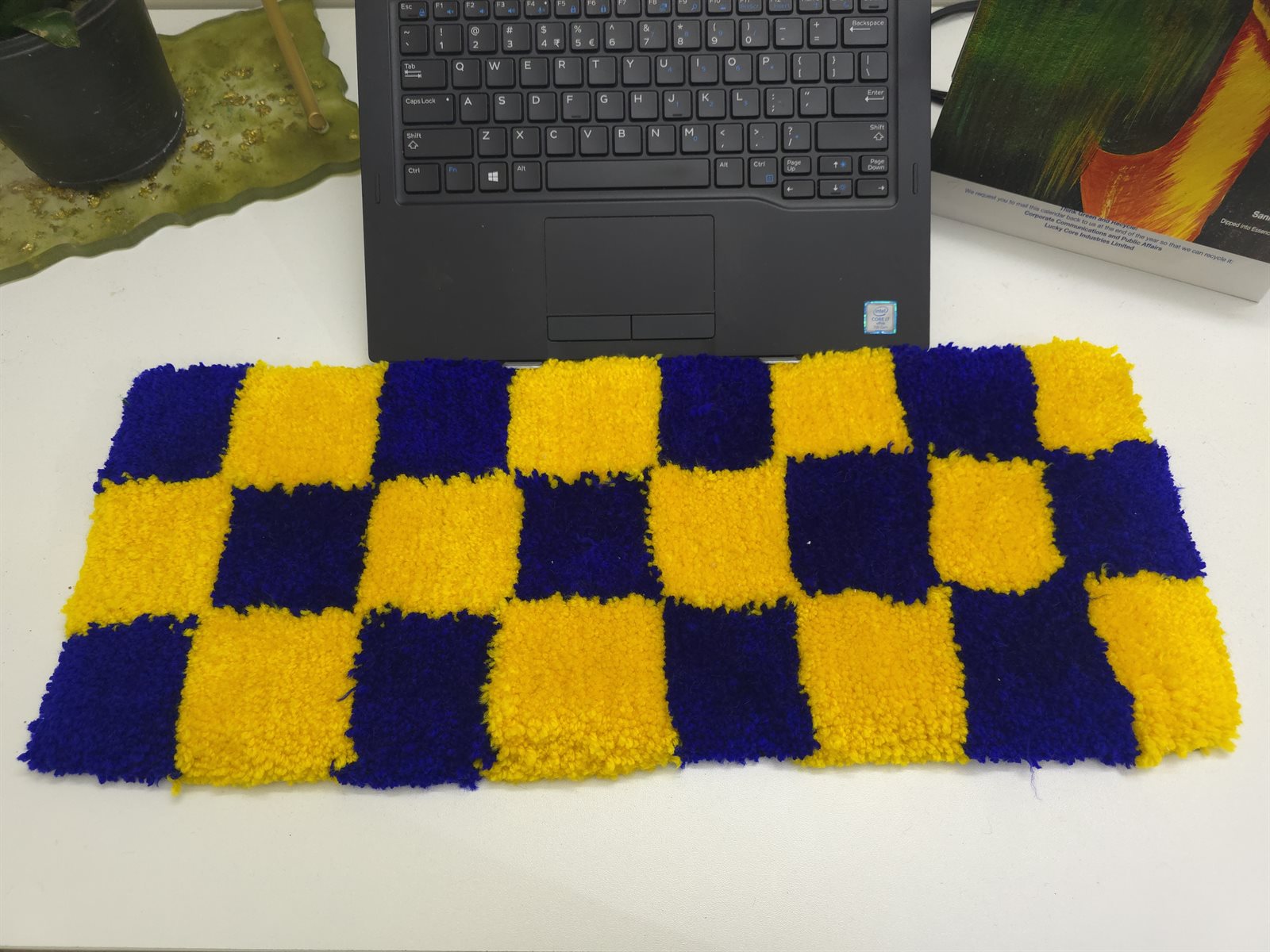
“A custom hand-tufted keyboard rug is a dense textile pad placed beneath a mechanical keyboard to eliminate desk hollow resonance, deepen switch acoustics into a rounded thock, and prevent desk scratching while offering tactile wrist comfort.”
- Dense cut pile tufting absorbs high-frequency keystroke vibrations that printed rubber desk mats cannot dampen.
- High-twist plush acrylic yarn offers maximum color vibrancy, stain resistance, and zero animal allergen shedding for daily desk setups.
- Routine maintenance requires gentle weekly lint rolling or soft-brush vacuuming; tufted rugs should never be machine washed or soaked.
When keyboard enthusiasts first walk into our Lahore studio, they often ask the same honest question: Is a tufted keyboard rugs actually functional, or is it just aesthetic eye candy for Instagram battlestation setups?
As an artisan who spends eight hours every day stretching monk cloth, operating tufting guns, and hand-carving fiber bevels, my answer is always grounded in physics and tactile reality. A keyboard rug is not a mousepad replacement, nor is it a miniature living room carpet. It is a dedicated acoustic dampener, wrist rest, and centerpiece designed specifically for the micro-environment around your hands.
Here is the unfiltered truth about why keyboard rugs work, how they change your typing experience, and how to care for one so it lasts for years.
The Problem With Flat Neoprene desk mat
Most desk setups rely on mass-produced stitched-edge mousepads made of cheap synthetic rubber and polyester jersey fabric. While these flat mats are suitable for low-friction gaming mouse sensors, they fail at three critical desk tasks.
First, standard desk mats are only three to four millimeters thick. When you hammer away on a heavy aluminum keyboard fitted with tactile or linear mechanical switches, that thin rubber transmits keystroke shockwaves directly into your wooden or laminate tabletop. The desk surface acts like an acoustic soundboard, amplifying hollow desk ping, metallic case echo, and spring rattle.
Second, printed desk mats suffer from rapid cosmetic decay. Within six months of daily use, wrist sweat, skin oils, and friction cause the printed graphics to fade, while the edges fray and the surface turns shiny and slick.
A handcrafted tufted rug addresses these failures directly through fiber density, structural depth, and physical dampening.
How a Tufted Rug Transforms Mechanical Keyboard Acoustics
The primary mechanical benefit of placing your keyboard on a dense pile textile is acoustic decoupling.
When your keyboard rests on 14 millimeters of plush, sheared yarn, keystroke energy does not bounce off your desk surface. Instead, the multi-ply yarn filaments scatter and absorb high-frequency clack and hollow resonance.
The Acoustic Shift From Clack to Thock
Different keyboard switch types interact with tufted textiles in distinctive ways:
- Linear switches like Gateron Oil Kings or Cherry MX Reds become noticeably quieter, with bottom-out clatter replaced by a muted, satisfying low-end thud.
- Tactile switches like Holy Pandas or Boba U4Ts retain their sharp tactile bump while shedding the harsh table vibrations that fatigue your fingers during long coding sprints.
- Clicky switches like Kailh Box Whites keep their crisp acoustic click while the unpleasant secondary desk echo is completely eliminated.
Every visitor to our workshop who tests their personal keyboard on a raw desk and then slides it onto a tufted mat hears the acoustic difference immediately within the first three keystrokes.
Choosing the Right Fiber: Acrylic vs Wool vs Cotton
Not all yarn performs well under the friction and weight of heavy desktop peripherals. In our atelier, we have tested everything from pure cotton and bamboo silk to imported New Zealand wool and high-twist acrylic.
High-Density Acrylic Yarn
High-density acrylic is the undisputed champion for desktop keyboard rugs. It delivers radiant, saturated color contrast that allows intricate anime contours, corporate emblems, and geometric designs to remain crisp. Acrylic is naturally hydrophobic, making it resistant to coffee spills and sweat stains. Most importantly, it does not harbor moisture or dust mites.
Pure New Zealand Wool
Wool is the premier choice for executive suites, boardroom tables, and grand residential libraries. It provides unmatched natural plushness, flame retardance, and luxurious fiber depth. However, wool naturally sheds small fiber micro-fluffs during its first month of use and requires careful humidity control.
Why We Avoid Cotton for Keyboard Rugs
Cotton absorbs liquid spills like a sponge, compresses flat under keyboard weight within weeks, and loses its structural elasticity. For daily computer workstations, cotton simply does not deliver the longevity required of an heirloom textile.
Sizing Your Keyboard Rug for Maximum Ergonomic Comfort
Choosing the wrong dimensions can clutter your desk architecture or leave your keyboard half-suspended over the border. We recommend sizing according to your specific keyboard layout.
Standard Format: 60x30 cm
The 60x30 cm size is the ideal footprint for compact 60 percent, 65 percent, and 75 percent keyboards. It provides two inches of plush textile framing on all sides, serving as a comfortable resting pad for your palms while leaving generous clearance on the right side for an independent gaming mousepad.
Full Format: 80x40 cm
The 80x40 cm size is built for Tenkeyless and full-sized 104-key boards. It accommodates both your keyboard and a dedicated wrist rest, creating an integrated tactile zone across your primary working area.
Extended Format: 90x40 cm and Custom Contours
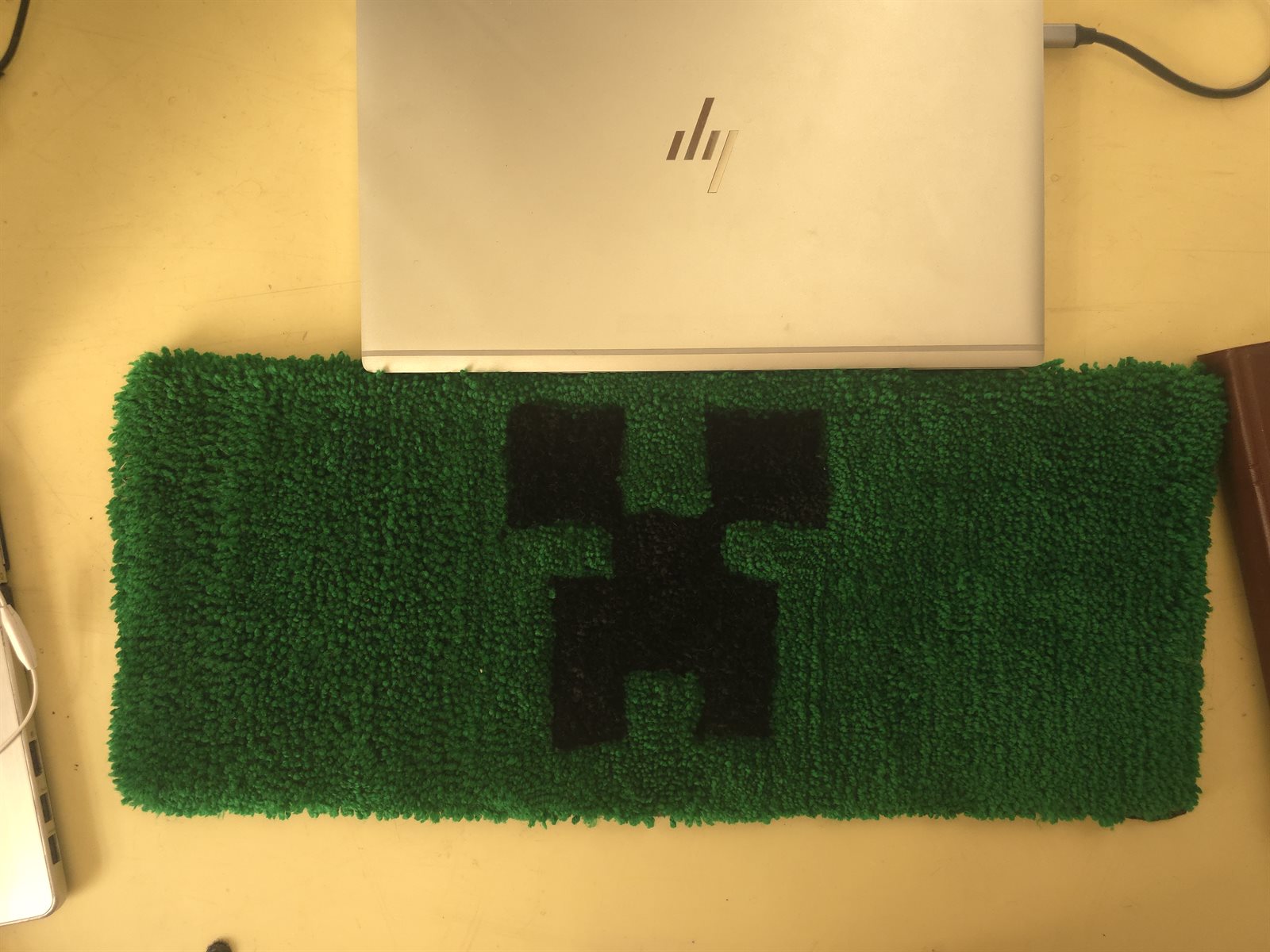
The 90x40 cm extended mat is tailored for expansive minimalist setups and multi-device desks. Alternatively, custom die-cut contours shaped around company logos, cloud silhouettes, or pixel swords create distinctive visual impact without consuming unnecessary rectangular space.
The Step-by-Step Anatomy of an Authentic Handcrafted Rug
A genuine artisanal rug is fundamentally different from cheap machine-punched imported mats. When you inspect an authentic Pile & Loop piece, you will find five layers of structural craft.
- Primary Monk Cloth Canvas: Woven with continuous yellow guideline threads and stretched across heavy timber frames under drum-tight tension.
- Dense Two-Ply Cut Pile Yarn: Driven into the canvas using pneumatic tufting needles at 2,500 stitches per minute to achieve over 1,200 tufts per square decimeter.
- Vulcanized Latex Seal: A heavy coat of synthetic latex adhesive applied while the rug is under full frame tension, locking every individual yarn root into an unbreakable chemical bond.
- Cotton Twill Border Binding: Reinforced perimeter margins hand-glued and serged to ensure the edges never curl, fray, or unravel over years of use.
- Anti-Slip Rubberized Grip Backing: A vulcanized, textured rubber base that keeps the rug anchored firmly on polished marble, smooth tempered glass, or varnished wood.
How to Clean and Maintain Your Keyboard Rug
One of the most common myths is that tufted textiles are delicate and difficult to clean. In reality, maintaining a keyboard rug takes less than two minutes a week if you follow sensible practices.
Daily and Weekly Maintenance
Keep your rug pristine with two simple habits:
- Use a standard sticky lint roller once or twice a week to pick up dust particles, stray pet hairs, and keyboard debris.
- For deeper maintenance, run a handheld cordless vacuum fitted with a soft bristled brush nozzle across the pile in the direction of the grain.
- Never use a motorized beater bar vacuum head on a handcrafted rug, as aggressive rotating brushes can snag and pull yarn fibers.
Dealing With Accidental Coffee and Tea Spills
If you spill a liquid beverage onto your acrylic desk rug, act immediately:
- Blot the spill gently using a dry microfiber cloth or paper towel. Do not rub or scrub violently, as rubbing drives liquid deeper into the latex core.
- Dampen a clean cloth with lukewarm water and a drop of mild dish soap or clear carpet detergent, then dab the area until the stain lifts.
- Allow the rug to air dry flat in a well-ventilated room away from direct heating elements.
- Never soak your rug in water and never place it into a mechanical washing machine or tumble dryer.
The Reality of Fiber Shedding
Clients frequently ask whether their new rug will shed all over their mechanical switches.
During the initial 7 to 10 days of use, you may notice a few stray micro-fibers resting on the surface. This is not structural shedding. It is simply loose sheared fluff that remained lodged within the dense pile after our final 3D electric carving pass.
Once you run a lint roller over the surface two or three times during your first week, this residual fiber clears away completely. The anchored yarn roots beneath remain locked permanently within the cured latex foundation.
Investing in Tactile Desk Architecture
In an era dominated by mass production and disposable plastic accessories, handcrafted textiles bring warmth, human touch, and acoustic serenity back to modern computer desks.
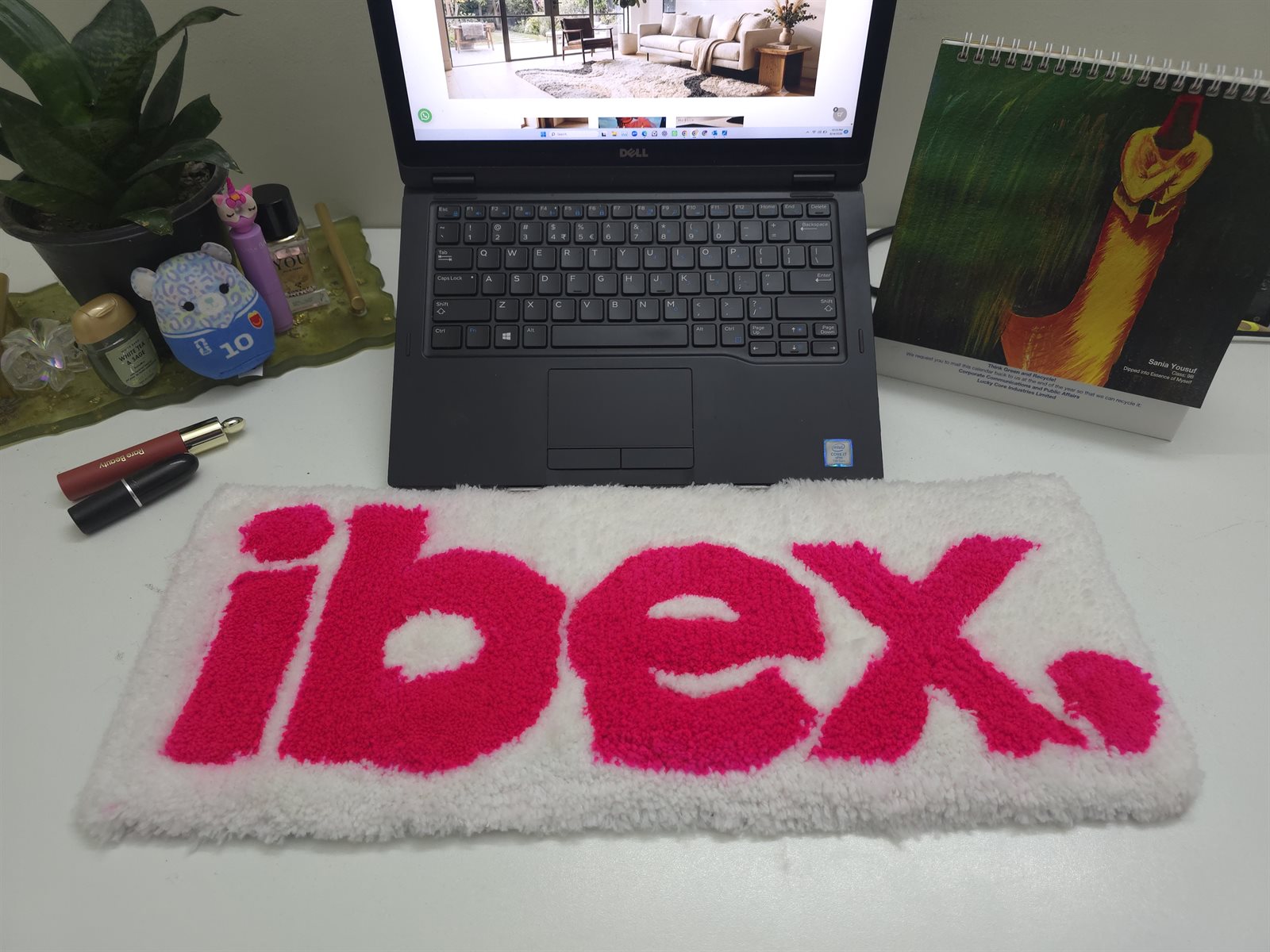
Whether you are an engineer writing software through the night, a mechanical keyboard collector chasing the perfect acoustic pitch, or a creative studio celebrating company milestones, a custom tufted rugs is more than a desk accessory. It is a piece of tactile functional art that grounds your workspace every single time you sit down to create.
Key Questions Answered
Why should I use a tufted keyboard rug instead of a regular gaming mousepad?
Standard neoprene mousepads are flat rubber sheets that transmit keystroke vibrations directly into your desk. A hand-tufted rug provides 14mm of dense, decoupled pile that physically absorbs hollow desk ping and transforms mechanical typing sounds into a deeper acoustic profile.
Can you wash a custom tufted desk rug in a washing machine?
No. Never put a hand-tufted rug into a washing machine. Machine agitation and hot water break down the core vulcanized latex backing and loosen yarn filaments. Clean using spot treatment with mild carpet foam and a microfiber cloth.
Does a tufted keyboard rug shed yarn during normal daily typing?
High-quality, sheared tufted rugs experience minimal initial fiber fluff in the first 7 to 10 days of use. After an initial lint roll, premium high-twist acrylic fibers lock into the vulcanized latex base and will not shed under regular keyboard use.
Inspired to commission a custom piece?
Send your signature artwork, anime hero, or corporate brand crest. We provide complimentary yarn color matching and tracked nationwide delivery.

Noor-ul-Ain
Master artisan at Pile & Loop. Specializing in pneumatic frame tufting, acoustic switch dampening textiles, and precision 3D shear sculpting for bespoke corporate and enthusiast workstations.