Custom Cut and Loop Area Rugs: Designing Multi-Level Architectural Textures and Sculpted Dimensions
“Explore how custom cut and loop area rugs combine velvety sheared yarn and durable looped fibers to create sculptural, light-reflecting 3D geometric textures and custom dimensions.”
In luxury residential architecture and contemporary interior styling, high-end design has shifted dramatically away from flat, busy printed patterns toward tactile, multi-dimensional materiality. Discerning homeowners and interior designers no longer look just for color—they want texture that interacts with ambient light, creates subtle shadow lines, and feels extraordinary underfoot.
The pinnacle of this architectural floor movement is the custom cut and loop area rug.
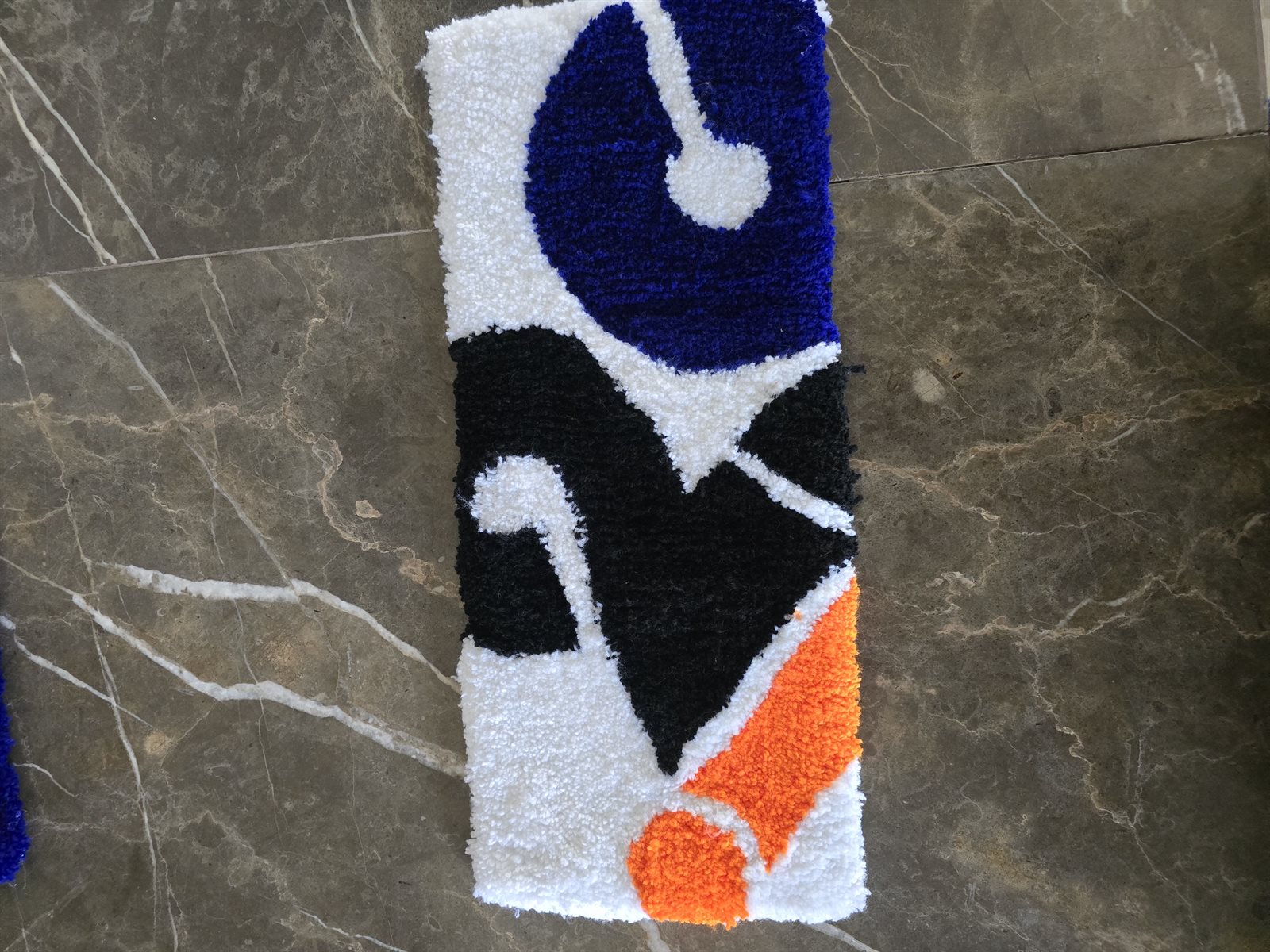
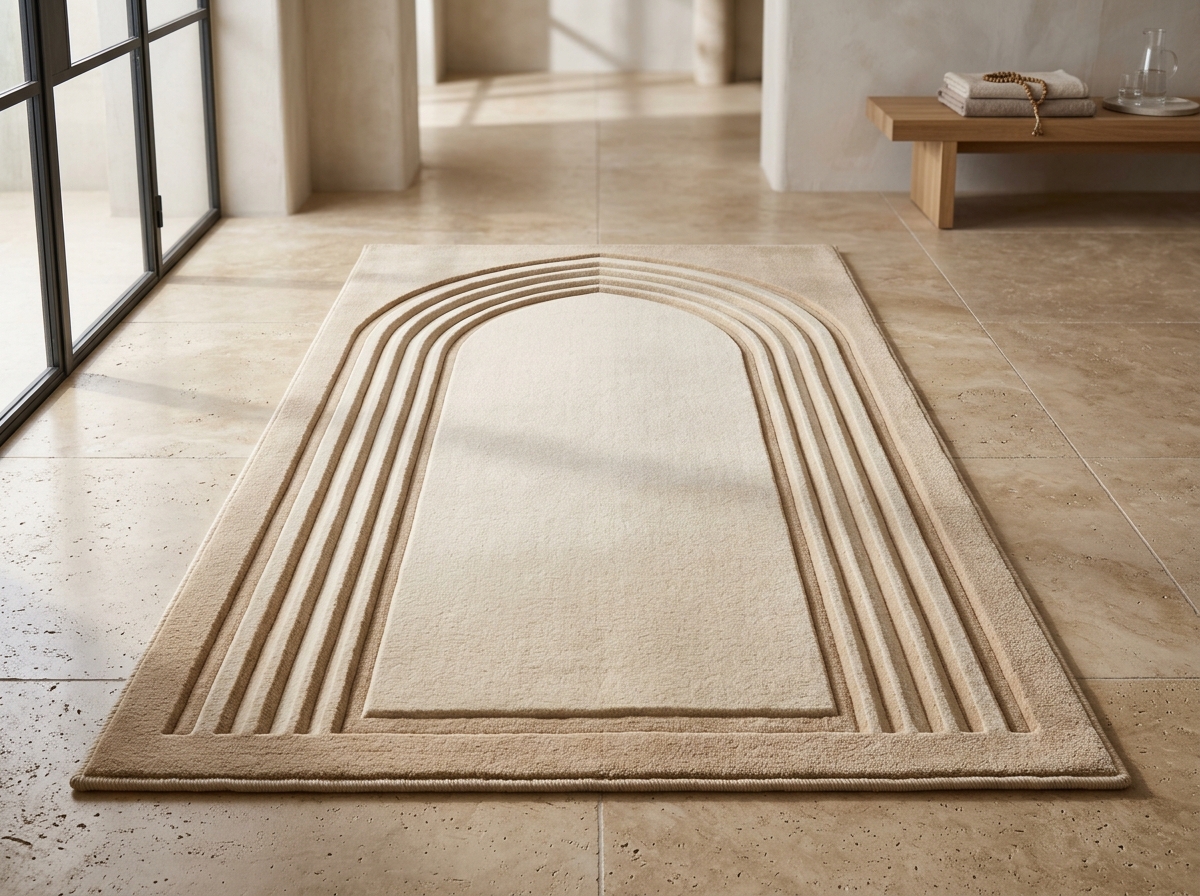
By uniting the plush, velvety softness of sheared upright yarn (cut pile) with the rugged, structured density of continuous yarn loops (loop pile) within a single hand-tufted canvas, master weavers can create breathtaking tone-on-tone geometric patterns, organic waves, and sculptural reliefs without needing a dozen contrasting yarn colors.
In this technical design guide, we explore the mechanical differences between cut and loop tufting, how pile height differentials reflect natural daylight, and how to specify custom dimensions for modern spaces.
Understanding Cut Pile vs. Loop Pile Mechanics
To appreciate what makes cut-and-loop rugs so distinctive, it helps to understand how each texture functions on a microscopic and mechanical level:
[ Cross-Section: Cut Pile vs. Loop Pile ]

        CUT PILE                        LOOP PILE
     ||   ||   ||   ||               n     n     n     n
     ||   ||   ||   ||              ( )   ( )   ( )   ( )
    ===================            =====================
     [ Primary Canvas ]              [ Primary Canvas ]

- Cut Pile:
  Yarn loops are sliced open by a micro-shearing blade.
  Fibers stand upright like velvet.
  Feel: Ultra-soft, plush, luxurious.
  Light: Absorbs direct light; shows footprints and sweeping shading.

- Loop Pile:
  Yarn strands remain intact as unbroken continuous loops.
  Feel: Firm, structured, springy, tactile.
  Light: Reflects light across yarn crowns; highly resistant to crushing.
When an artisan combines both textures in a coordinated motif, the visual contrast is dramatic. Even when using the exact same dye batch of ivory or charcoal wool, the cut pile areas appear deeper and darker (absorbing light), while the adjacent loop pile reflects light, creating natural organic contrast without any dye variation.
1. Why Interior Designers Specify Cut and Loop Carpeting
Leading interior architects specify bespoke cut-and-loop construction for luxury living rooms, primary bedroom suites, and penthouses for four distinct reasons:
1. Organic Light Refraction Throughout the Day
Unlike flat printed rugs that look identical under any light, a multi-level cut-and-loop rug shifts in appearance as the sun travels across a room. Morning raking light casts crisp micro-shadows into the recessed loop valleys, while soft evening ambient lighting brings out the velvety glow of the elevated cut sections.
2. High Foot-Traffic Resilience
In entry foyers, dining rooms, and hallways, standard deep-cut pile carpets can mat down under heavy foot traffic and chair legs. In a cut-and-loop construction, the tight, unbroken loop sections act as microscopic pillars that bear the brunt of downward pressure, protecting the adjacent cut fibers from collapsing.
3. Infinite Geometric & Sculptural Freedom
Can you customize a rug's texture? Absolutely. With handheld pneumatic and electric tufting technology, an artisan is not locked into repetitive machine loom cycles. Custom motifs can feature:
- Modern architectural linear ribbing
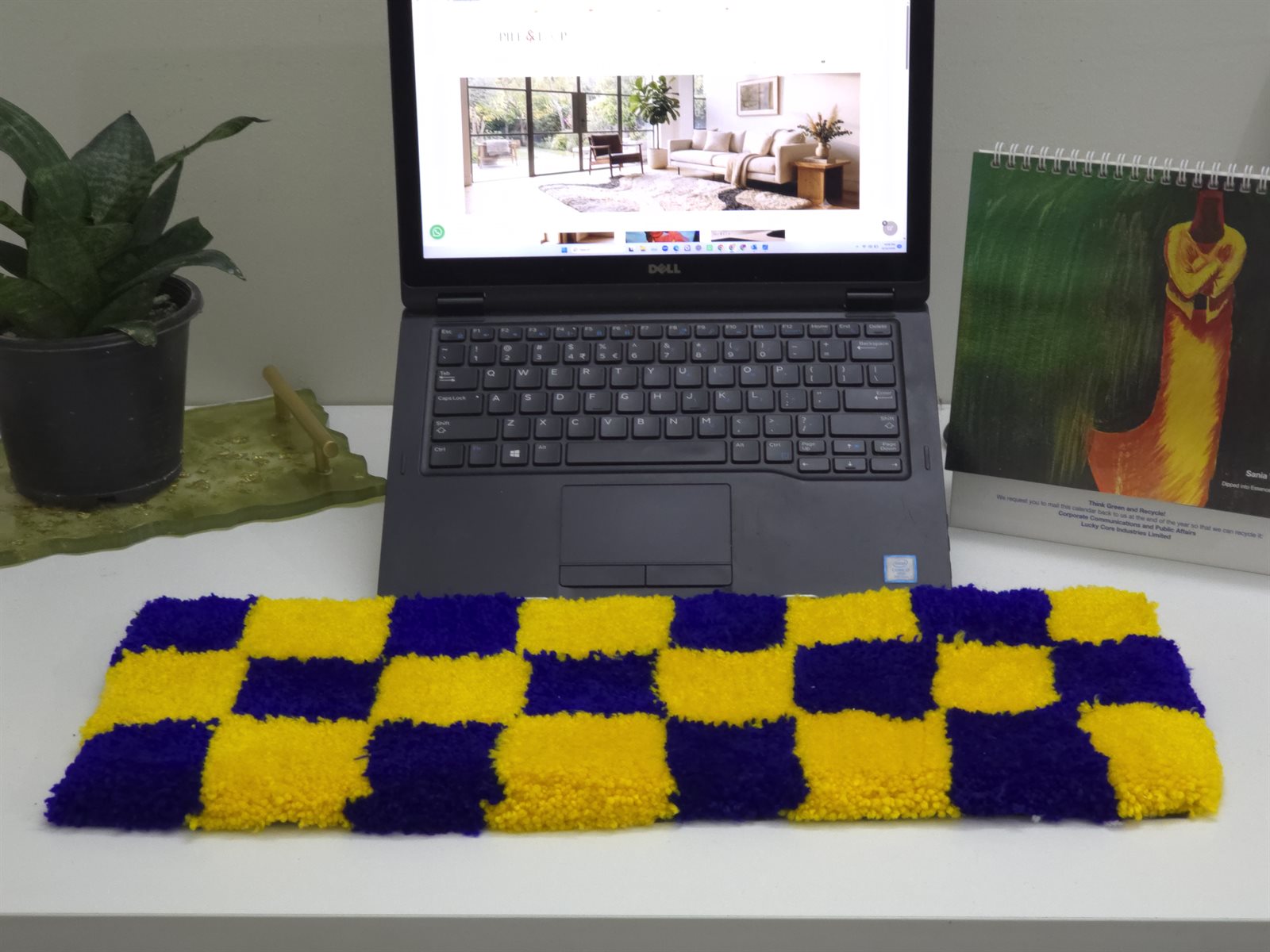
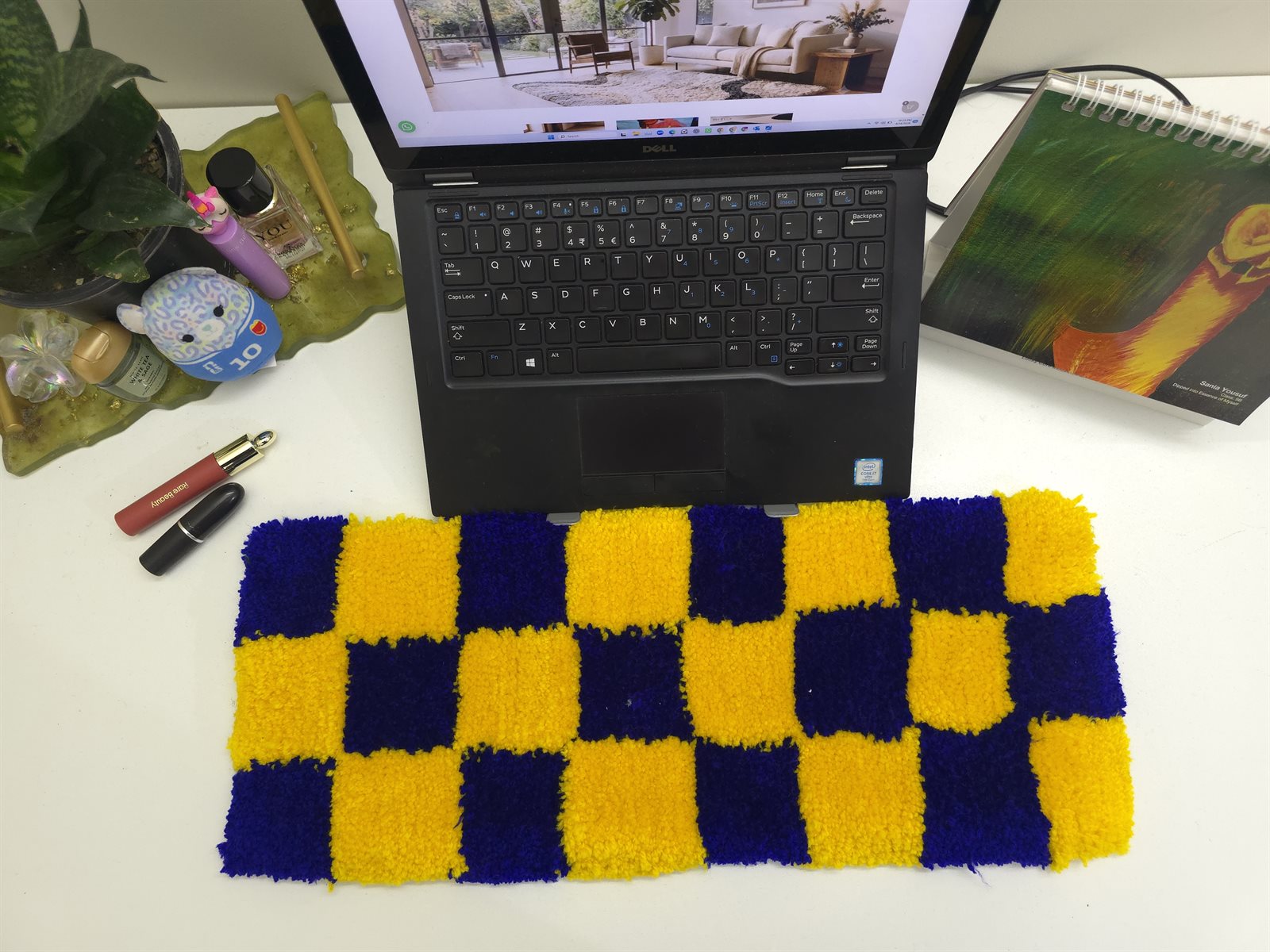
- Checkerboards alternating between sheared cut squares and tight loop squares
- Organic topographic contour lines reminiscent of sand dunes or riverbeds
- Raised monograms and architectural medallions

2. Technical Specifications: Planning Pile Height Differentials
Creating a successful cut-and-loop custom rug requires careful height calibration. If the height differential between the cut and loop sections is too small, the design looks muddled; if it is too extreme, the edges can catch on shoes or vacuum heads.
| Construction Style | Loop Pile Height | Cut Pile Height | Height Differential | Tactile Feel & Use Case |
|---|---|---|---|---|
| Subtle Architectural Rib | 7mm – 8mm | 9mm – 10mm | 1mm – 2mm | Minimalist modern; subtle under dining chairs |
| Sculptural Geometric | 8mm – 9mm | 12mm – 14mm | 4mm – 5mm | Bold visual contrast; statement living room |
| Deep Relief / 3D Carved | 8mm – 10mm | 16mm – 18mm | 6mm – 8mm | Ultra-luxury bedrooms; dramatic shadows |
Hand-Carving the Transitions
After the rug is tufted and latex-cured, a master artisan uses angled carving clippers to hand-bevel the boundary where cut pile meets loop pile. This precision shearing ensures a clean, crisp perimeter, preventing sheared strands from encroaching into the loop valleys.
3. Sizing and Dimensioning Custom Cut and Loop Rugs
Because high-end homes feature open-concept floorplans, floating fireplaces, and custom architectural curved walls, standard rectangular big-box rugs rarely fit properly.
Recommended Dimensions by Room Layout:
- Primary Living Room (Floating Furniture): An 8 ft x 10 ft (240cm x 300cm) or 9 ft x 12 ft (270cm x 360cm) rug ensures all front sofa legs and accent chairs rest comfortably on the textile plane.
- King Bedroom Suite: A 9 ft x 12 ft rug placed perpendicular to the bed leaves a generous 3-foot plush walking border on both sides and at the foot of the bed.
- Architectural Curvilinear Spaces: We regularly tuft organic kidney shapes, asymmetric rounds, and curved runners tailored to specific architectural blueprints.
4. Maintenance and Care for Multi-Texture Rugs
Caring for a custom cut-and-loop rug requires a few simple best practices to protect the loops from pulling:
- Suction-Only Vacuuming: Always turn off or disengage aggressive motorized beater bars on upright vacuums. Rotating stiff bristles can catch on yarn loops and cause "sprouting" (pulling a loop loose).
- Treating Sprouted Loops: If a pet claw or high heel snags an individual loop, never pull it. Pulling unravels the tuft. Simply take a pair of sharp fabric scissors and snip the loose strand flush with the surrounding pile. The vulcanized latex backing keeps the remaining loop roots permanently anchored.
- Spot Cleaning Spills: Blot spills with a clean, undyed microfiber towel using cold water and mild neutral detergent. Press straight down; avoid vigorous rubbing across loop boundaries.
Commission Your Architectural Area Rug with Pile & Loop
Elevate your interior architecture with a bespoke cut-and-loop area rug tailored to your exact floorplan dimensions, texture preferences, and color palette. Our master craftspeople in Lahore bring decades of artisanal heritage together with contemporary architectural design.
- Explore ready-to-ship rugs in our Online Shop.
- Learn about bespoke trade commissions on our Interior Designers Page.
- Request a custom quote and digital rendering through our Custom Rug Service or Contact Page.
Expert Answers & Atelier Insights
Essential answers on bespoke tufting craftsmanship, sizing requirements, acoustic benefits, and daily workspace ergonomics.
Yes. At Pile & Loop Atelier, we regularly craft cut-and-loop rugs using 100% New Zealand virgin wool, as well as premium high-twist semi-worsted acrylic for clients who prefer vegan, hypoallergenic alternatives.
Whatever You Want, We Handcraft It Direct From Our Factory
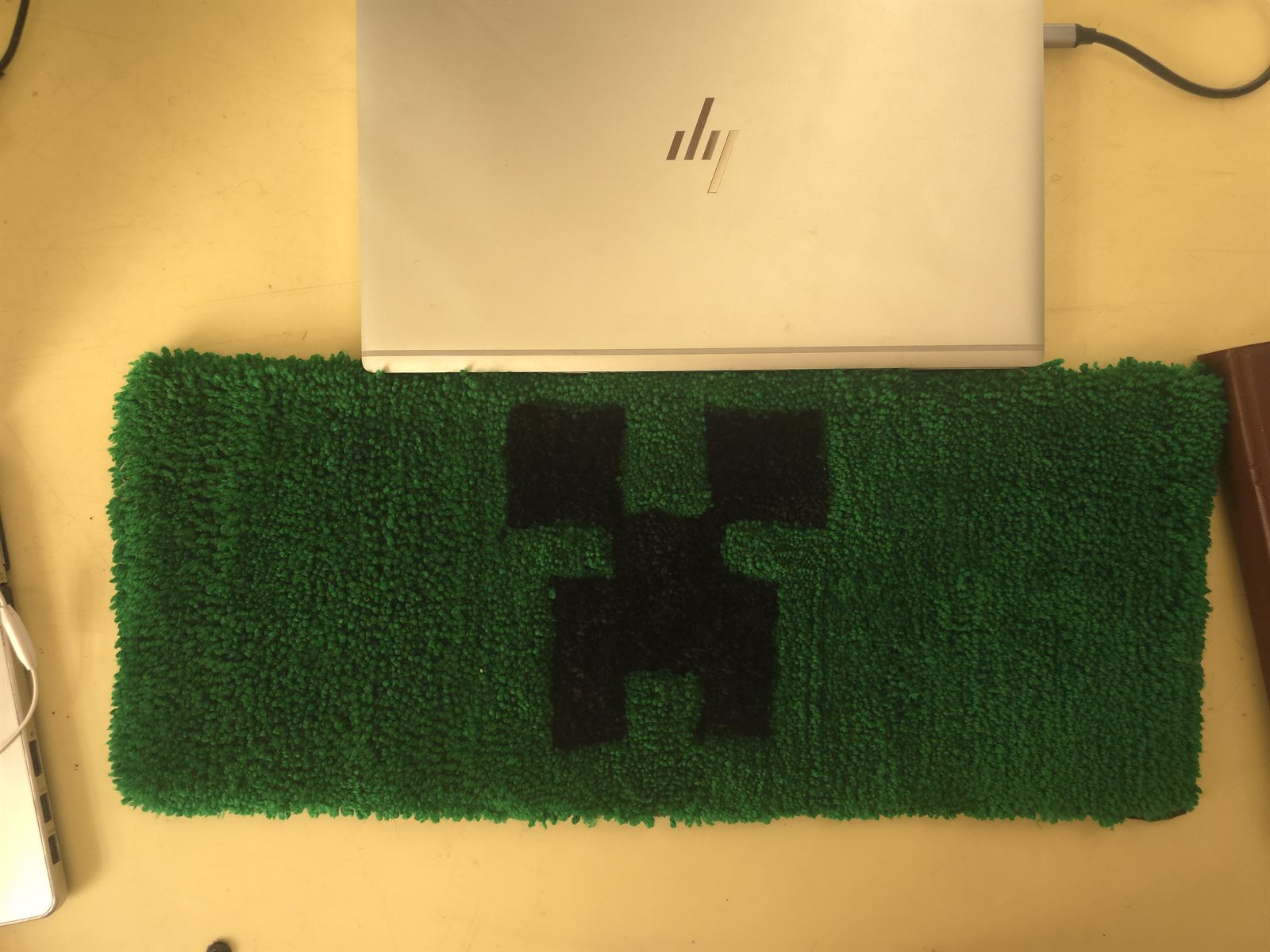
From a single 1-of-1 bespoke gaming battlestation mat to 100+ bulk corporate crest rugs, our Lahore factory tufts any dimension, shape, and colorway with 3D electric shear carving.
Vector (SVG/AI), PNG, JPEG, or even a rough phone photo or sketch.

Pile and Loop Atelier
Handcrafting bespoke tufted keyboard rugs and acoustic desk textiles in Pakistan. Dedicated to ergonomic comfort, tactile artisan design, and mechanical keyboard acoustics.