The Acoustic Science of Keyboard Rugs: How Dense Tufting Deepens Thock and Eliminates Desk Ping
Discover the acoustic physics behind mechanical keyboard rugs. Learn how high-density tufted fibers absorb resonant frequencies to produce the coveted deep thock.

When mechanical keyboard enthusiasts discuss sound profiles, the debate inevitably centers on thock versus clack. While switch housings, POM plates, tape mods, and GMK keycaps take center stage, the desk beneath your board is often the overlooked resonator.
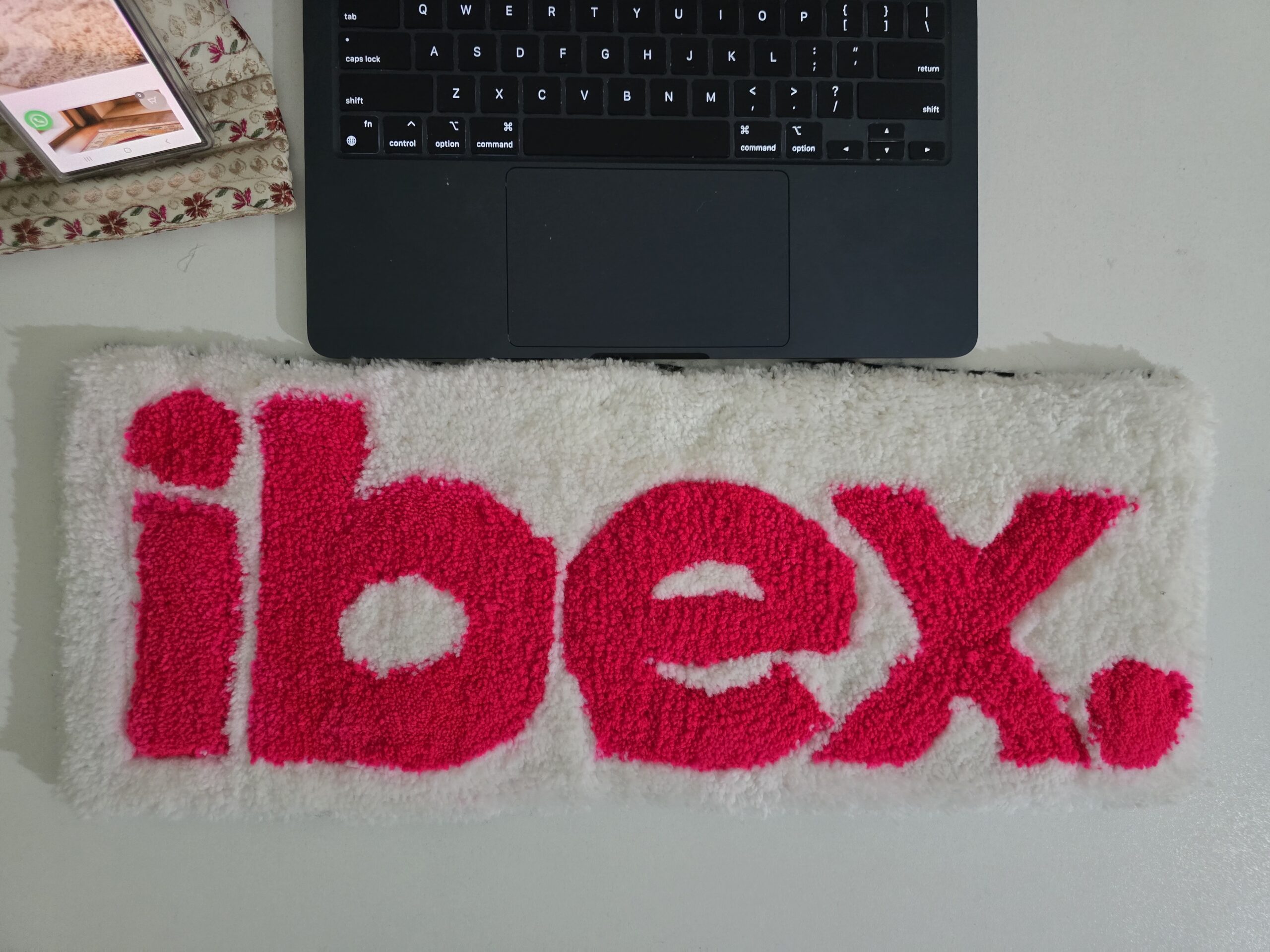
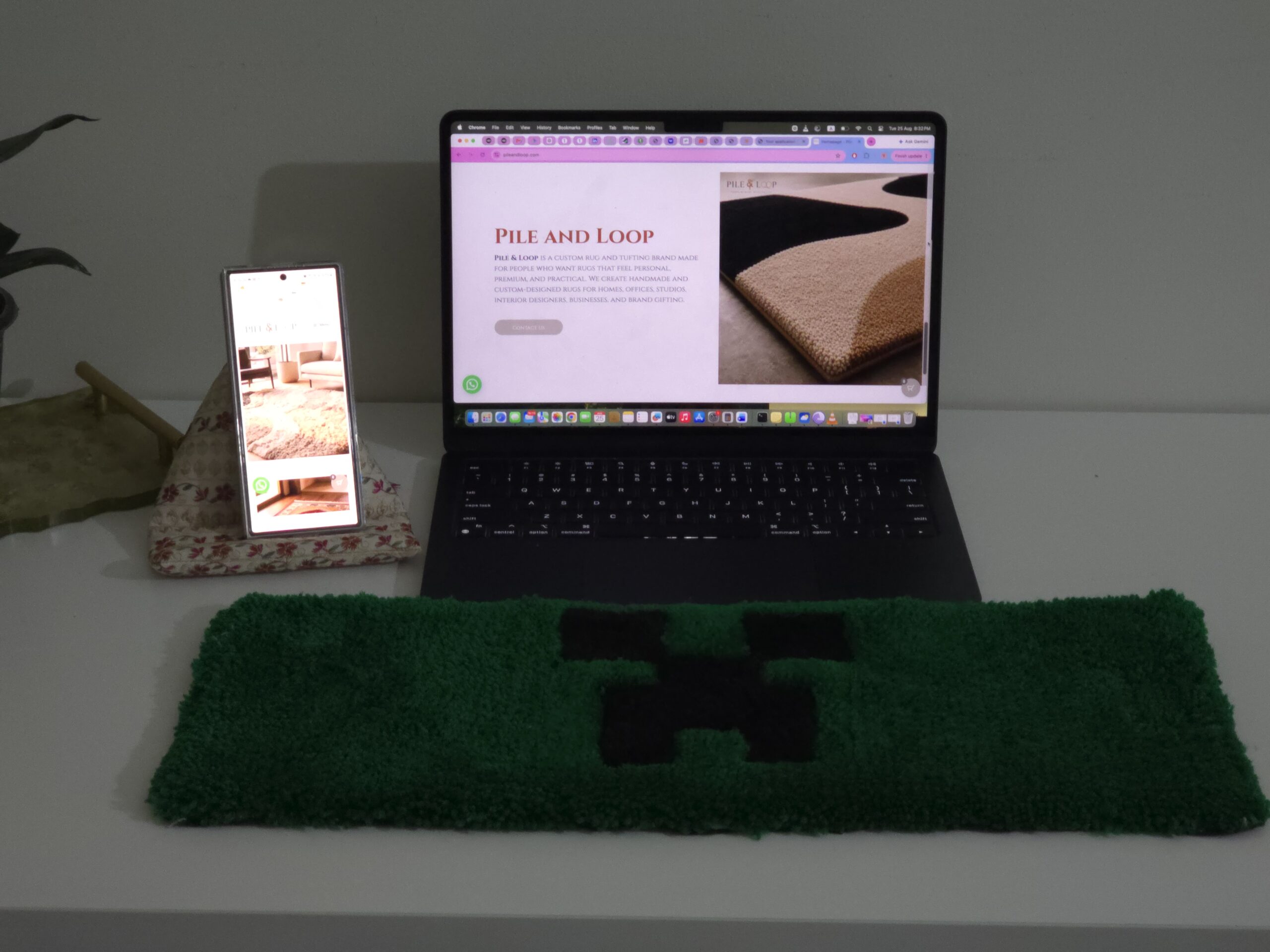
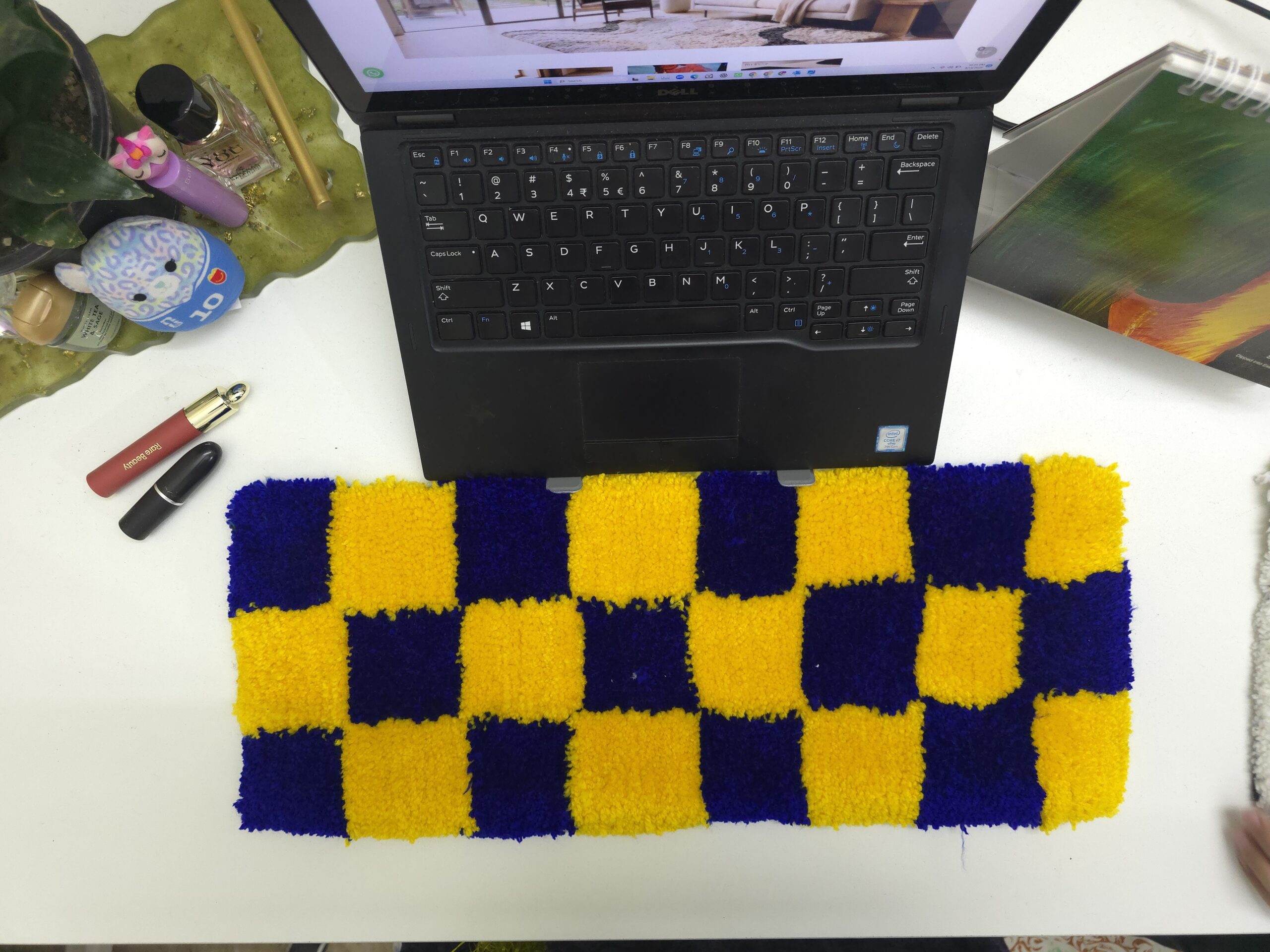
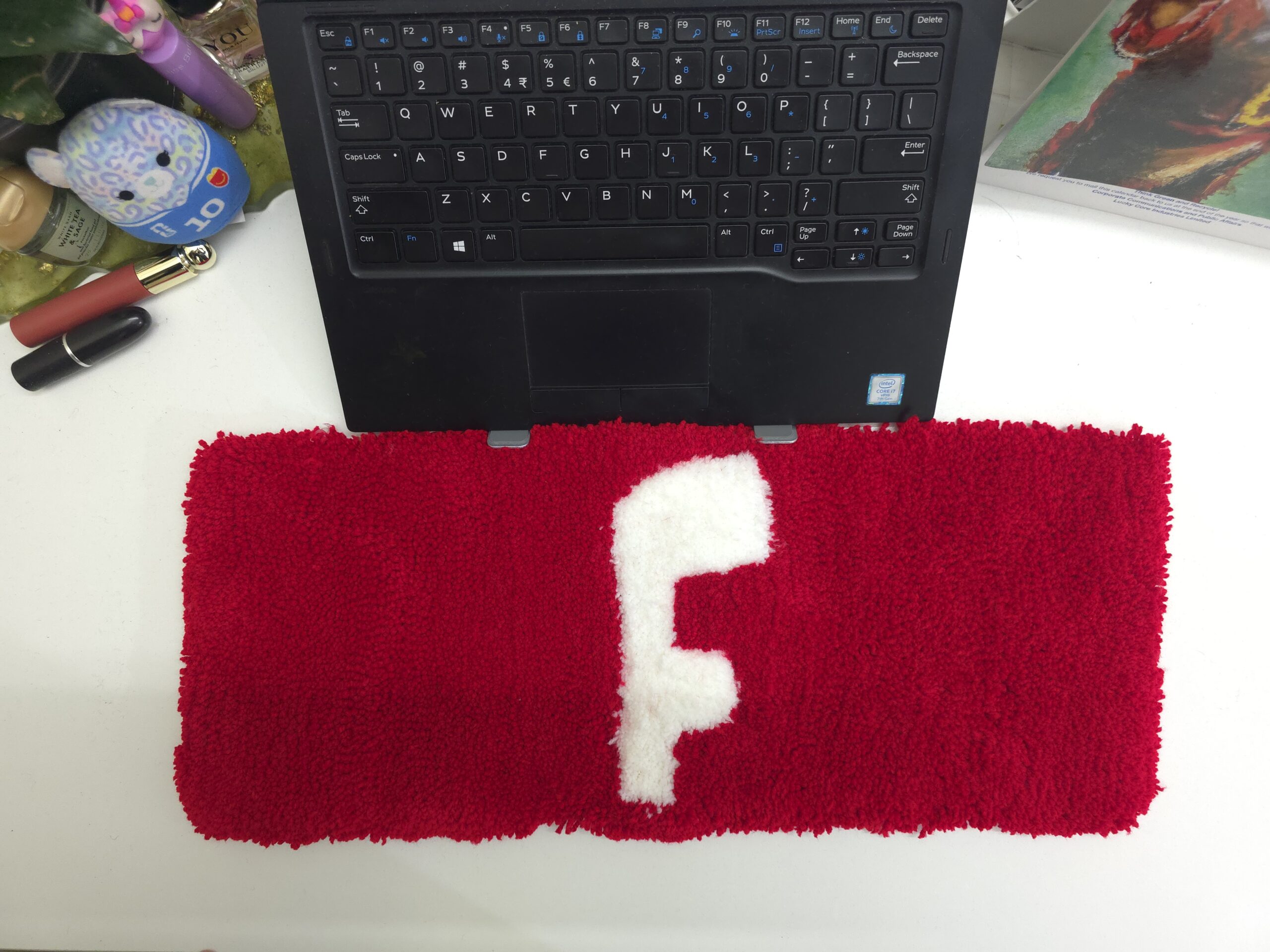
Hard desk surfaces—whether solid oak, veneered walnut, or powder-coated steel—act as an acoustic amplifier for key strike reverberations. A dense, hand-tufted keyboard rugs fundamentally transforms these acoustics by dissipating high-frequency reverberations and grounding the lower harmonic octaves.

Why Hard Desks Ruin Sound Profiles
Every keystroke generates both kinetic energy and sound waves:
- Mechanical Impact Wave: The switch stem bottoming out against the housing bottom.
- Spring Ping: Vibrations transferring from the coil spring into the switch plate.
- Desk Resonance: The entire keyboard case vibrating against the rigid desk surface.
Without acoustic isolation, desk resonance creates high-frequency hollow pinging (between 1,500 Hz and 3,500 Hz). Traditional thin cloth desk mat provide approximately 3mm to 4mm of open-cell neoprene, which offers limited absorption for low-end structural vibrations.
The Physical Architecture of a Tufted Keyboard Rug
A bespoke Pile & Loop keyboard rug introduces a three-layer acoustic barrier:
- High-Density Acrylic Cut Pile (12mm – 14mm): Traps escaping airborne acoustic reflections within millions of vertical yarn filaments.
- Secondary Tufting Cloth & Flexible Natural Latex: Provides an elastic non-resonant dampening interface that decouples keyboard weight from the desk.
- Non-Slip Twill Backing: Prevents lateral drift while ensuring zero micro-vibrations across high-WPM typing sessions.

Thock vs. Clack: How Fiber Density Changes the Pitch
| Sound Characteristic | Bare Wood / Thin Mat | Pile & Loop Hand-Tufted Rug | | :--- | :--- | :--- | | Resonant Frequency | High-mid peak (~2,400 Hz) | Deep bass foundation (~350–500 Hz) | | Desk Ping | Audible hollow ring | Completely eliminated | | Key Bottom-Out Feel | Rigid and fatiguing | Cushioned micro-compliance | | Acoustic Signature | Bright, sharp clack | Resonant, satisfying marble thock |
Recommended Keyboard Rug Dimensions
Choosing the right size depends on your keyboard layout and desk posture:
- 60% & 65% Boards (e.g., Mode Sonnet, Bakeneko65):
35 cm x 18 cmoffers a bespoke tailored frame. - 75% & TKL Boards (e.g., Keychron Q1, Frog TKL):
42 cm x 20 cmprovides generous aesthetic borders. - Full-Size & Battle Station Sets: Custom commissioned sizing up to
90 cm x 40 cmcovers keyboard and mouse zones seamlessly.
Explore our curated ready-to-ship models in the Pile & Loop Atelier Shop or commission a custom design matching your GMK keycap colorway through our Custom Rug Atelier.
Frequently Asked Questions
Does a keyboard rug interfere with mouse tracking?
No. Keyboard rugs are dedicated acoustic foundations crafted specifically for keyboards. Gamers position their precision hard or glass mousepad adjacent to their tufted keyboard rug for optimal competitive tracking.
How do I clean dust or lint from tufted keyboard rugs?
A simple weekly pass with a handheld mini vacuum or lint roller keeps the cut pile immaculate. For deeper maintenance, review our Practical Rug Cleaning & Maintenance Guide.
Inspired to commission a custom piece?
Send your signature artwork, anime hero, or corporate brand crest. We provide complimentary yarn color matching and tracked nationwide delivery.

Noor-ul-Ain (Master Tufting Artisan)
Handcrafting bespoke tufted keyboard rugs and acoustic desk textiles in Pakistan. Dedicated to ergonomic comfort, tactile artisan design, and mechanical keyboard acoustics.